The Best Products for Acne-Prone Skin: Cleansers, Spot Treatments & Moisturizers
Standing in the skincare aisle or scrolling through endless online reviews in search of the best product for acne can feel overwhelming. With so many gels, cleansers, lotions, and spot treatments available, it can be difficult to know which products are suitable for your skin and which ones may cause unnecessary irritation.
The key to choosing effective acne skincare products isn't simply buying the strongest formula. It's about matching the right product type and ingredients to your specific skin concerns, whether you're dealing with occasional pimples, clogged pores, excess oil, or recurring breakouts.
A targeted spot treatment may help address individual blemishes, while a gentle cleanser and lightweight moisturizer support your everyday skincare routine.
In this guide, we'll explore the best types of acne facial products, the ingredients worth looking for, and how to build a practical skincare routine for clearer, more comfortable skin.
Key Takeaways
- Choose products according to your skin concerns: Different types of acne require different skincare approaches.
- Use targeted spot treatments: Products containing salicylic acid or sulfur may help address individual blemishes.
- Don't neglect daily cleansing: A suitable facial cleanser helps remove excess oil, sweat, and everyday impurities.
- Maintain skin hydration: Lightweight moisturizers help support the skin barrier without an unnecessarily heavy finish.
- Avoid overusing active ingredients: Combining too many acne treatments can increase the risk of dryness and irritation.
1. How to Choose the Right Acne Product for Your Breakout Type
Not every acne product serves the same purpose. A spot treatment designed for individual pimples may not be the best choice for widespread clogged pores, while a moisturizer alone cannot replace a targeted acne treatment.
Before choosing your products, identify your primary skin concerns.
| Skin Concern | Recommended Product Type | Ingredients to Consider |
|---|---|---|
| Individual Inflamed Pimples | Targeted Spot Treatment | Salicylic Acid, Sulfur |
| Blackheads and Clogged Pores | BHA Cleanser or Leave-On Exfoliant | Salicylic Acid |
| Oily, Acne-Prone Skin | Gentle Daily Cleanser | Suitable Surfactants, Niacinamide |
| Dry or Uncomfortable Acne-Prone Skin | Lightweight Moisturizer | Panthenol, Glycerin, Ceramides |
| Post-Acne Dark Marks | Targeted Skincare Products | Azelaic Acid, Niacinamide |
Understanding these differences helps you avoid buying multiple products that perform essentially the same function.
2. Best Spot Treatments for Acne: Target Individual Breakouts
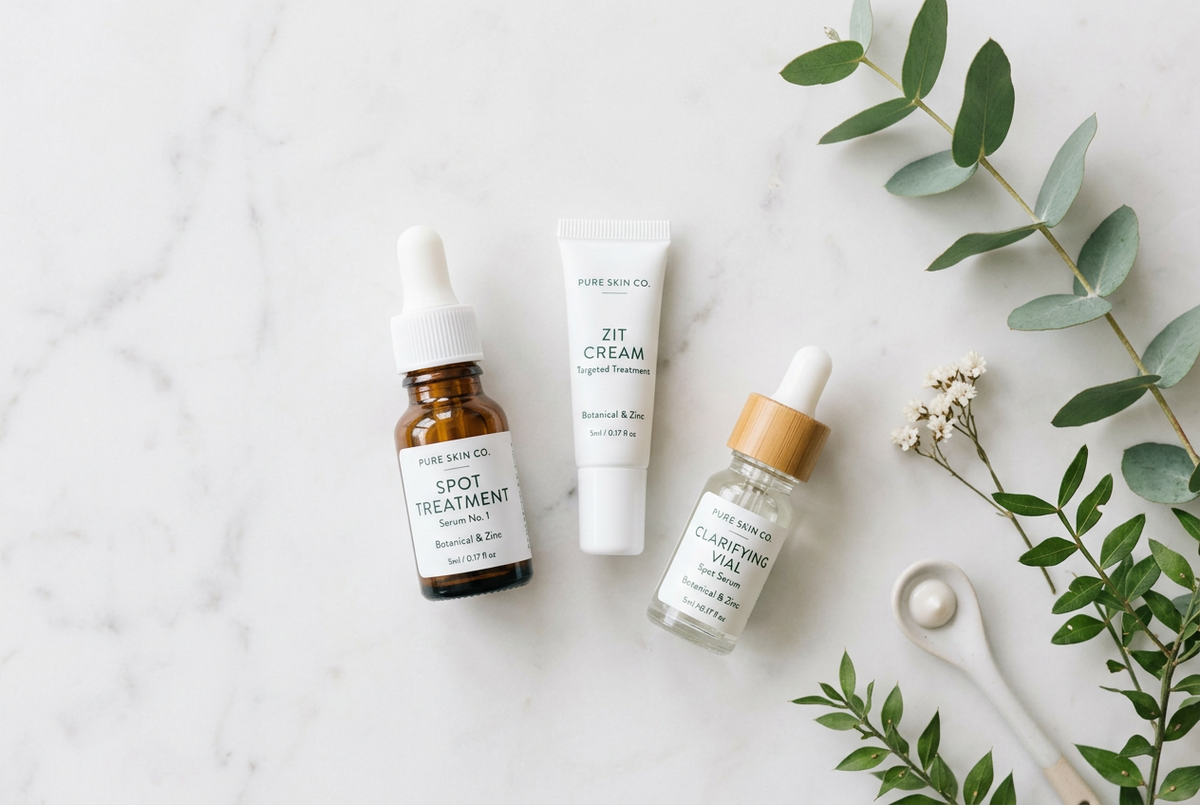
If you occasionally experience individual pimples, a targeted spot treatment can be a useful addition to your skincare routine.
Unlike full-face acne treatments, spot treatments are designed to be applied directly to specific blemishes. This allows you to focus on individual problem areas without unnecessarily applying concentrated active ingredients across your entire face.
What Ingredients Should You Look for in an Acne Spot Treatment?
Several ingredients are commonly used in products formulated for blemish-prone skin.
Salicylic Acid (BHA): An oil-soluble exfoliating ingredient that helps remove dead skin cells and address clogged pores.
Sulfur: An ingredient traditionally used in acne-care formulations to help address blemishes and excess surface oil.
Niacinamide: Helps support the skin barrier and improve the appearance of uneven skin texture.
When selecting a spot treatment, consider the ingredient concentrations, application instructions, and your skin's tolerance. More active ingredients do not automatically mean better results.
Product Recommendation: Dr.Leo Encapsulated Salicylic Acid Drying Lotion Plus
If you're looking for a targeted acne product, Dr.Leo Encapsulated Salicylic Acid Drying Lotion Plus is an option worth considering.
Its two-phase formula combines ingredients commonly used in blemish-care products:
- 1.8% Salicylic Acid: Helps exfoliate dead skin cells and address pore congestion.
- 4% Niacinamide: Helps support the skin barrier and improve the appearance of uneven skin texture.
- 15% Zinc Oxide: Included in the powder phase of the formula.
- 10% Colloidal Sulfur: An ingredient traditionally used in products formulated for blemish-prone skin.
The two-phase formula is designed for localized application to individual blemishes rather than full-face use.
To apply, use a clean cotton swab to pick up the powder according to the product instructions and gently dab it onto the targeted area. Do not rub the product across surrounding clear skin.
Because salicylic acid and sulfur may cause dryness or irritation, introduce the product carefully and monitor your skin's response.
If you want to add a targeted blemish treatment to your routine, explore Dr.Leo Encapsulated Salicylic Acid Drying Lotion Plus.
3. Best Acne Cleansers: Build a Gentle Daily Cleansing Routine
A facial cleanser is one of the basic acne skincare products worth considering, particularly if your skin tends to become oily or congested.
Its primary purpose is to remove excess surface oil, sweat, sunscreen, and everyday impurities without unnecessarily disrupting your skin barrier.
What to Look for in an Acne Cleanser
When choosing a cleanser for acne-prone skin, consider:
- Gentle cleansing ingredients: Look for a formulation that removes impurities without leaving your skin feeling excessively tight.
- Salicylic Acid: May help address clogged pores and excess oil when included in an appropriate rinse-off formulation.
- Hydrating Ingredients: Glycerin and Panthenol can help maintain skin comfort.
- Suitable pH and Formulation: Choose a cleanser that works well with your skin type and does not cause persistent irritation.
Product Recommendation: Dr.Leo Polyamino Acid Purifying Facial Cleanser
For people who experience oily or acne-prone skin but want to avoid aggressive cleansing, Dr.Leo Polyamino Acid Purifying Facial Cleanser is an option for everyday skincare.
It can be incorporated into your morning and evening routine to remove everyday impurities and provide a cleansing step before applying other skincare products.
Rather than relying on increasingly strong cleansers, maintaining a consistent and comfortable cleansing routine is a practical starting point for acne-prone skin.
Explore Dr.Leo Polyamino Acid Purifying Facial Cleanser
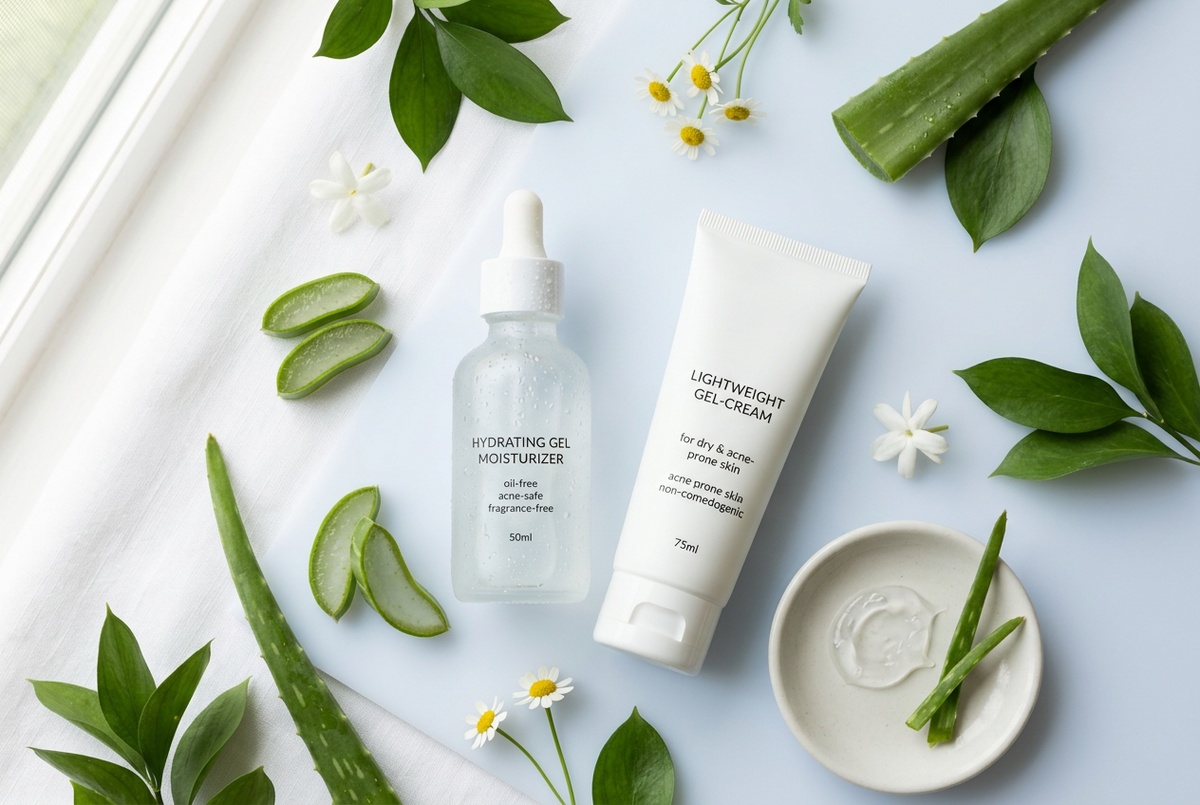
4. Best Moisturizers for Acne-Prone Skin: Hydrate Without a Heavy Finish
One common misconception is that people with oily or acne-prone skin should avoid moisturizers.
In reality, appropriate hydration is an important part of maintaining skin comfort, particularly when your routine includes active acne treatments that may cause dryness.
The goal is not to eliminate moisturizer but to choose a formulation that suits your skin type and preferred texture.
What Ingredients Make a Good Acne Moisturizer?
When shopping for the best skin cream for acne-prone skin, consider ingredients that help maintain hydration and support the skin barrier.
- Panthenol (Vitamin B5): Helps moisturize and soothe the skin.
- Glycerin: Helps attract and retain moisture.
- Hyaluronic Acid: Helps maintain skin hydration.
- Ceramides: Help support the skin's natural protective barrier.
- Centella Asiatica (CICA): Commonly used in soothing skincare formulations.
Product Recommendation: Dr.Leo CICA Panthenol Jelly Moisturizer
If you have oily or acne-prone skin but dislike the heavy feeling of traditional creams, Dr.Leo CICA Panthenol Jelly Moisturizer is worth considering.
Its lightweight jelly texture is designed to provide hydration while helping soothe the skin and support its natural protective barrier.
It can be used as part of your daily skincare routine, particularly when you want a moisturizer that feels lighter on your skin.
Explore Dr.Leo CICA Panthenol Jelly Moisturizer
5. Three Common Mistakes to Avoid When Choosing Acne Skincare Products
Choosing suitable acne products is important, but how you combine and use them also affects your overall skincare experience.
1. Using Too Many Active Ingredients at Once
Combining multiple exfoliating acids, spot treatments, and other active ingredients can increase the risk of dryness, peeling, and irritation.
Instead, introduce new products gradually and give your skin time to adjust.
If you already use a salicylic acid treatment, consider whether you need another exfoliating product in the same routine.
2. Skipping Moisturizer Because Your Skin Is Oily
Oily skin still needs hydration.
Skipping moisturizer may leave your skin feeling dry or uncomfortable, particularly when using acne treatments.
Choose a lightweight moisturizer that suits your skin's needs rather than avoiding hydration altogether.
3. Choosing Products Based Only on Their Acne-Fighting Strength
A product with a high concentration of active ingredients is not automatically the best option for your skin.
Consider your primary acne concern, skin sensitivity, formulation, and recommended usage frequency.
A consistent routine with a few suitable products is often easier to maintain than a complicated routine involving multiple aggressive treatments.
6. How to Build a Simple Acne Skincare Routine
Once you understand the different types of acne products, you can combine them into a straightforward routine.
Morning Routine
- Step 1: Cleanse. Use a gentle facial cleanser to remove overnight oil and impurities.
- Step 2: Moisturize. Apply a lightweight moisturizer to maintain hydration.
- Step 3: Protect. Finish with a broad-spectrum SPF 30 or higher sunscreen.
Evening Routine
- Step 1: Cleanse. Remove sunscreen, makeup, excess oil, and everyday impurities.
- Step 2: Treat. Apply a targeted spot treatment to individual blemishes according to its instructions.
- Step 3: Moisturize. Finish with a suitable moisturizer to support skin hydration.
You do not need to use every active ingredient every day. Adjust your routine according to your skin's tolerance and the instructions of each product.
Final Thoughts: Choose Acne Products That Match Your Skin's Needs
Finding the best products for acne-prone skin is not about purchasing the strongest formulas or using the largest number of skincare products.
It is about understanding what your skin needs and choosing products that serve different purposes.
A gentle cleanser helps remove everyday impurities, a targeted spot treatment addresses individual blemishes, and a suitable moisturizer helps maintain hydration and skin barrier comfort.
By choosing complementary products and introducing active ingredients gradually, you can build a more manageable skincare routine for acne-prone skin.
Want to learn more about managing dry, acne-prone skin? Explore our related guide:
- Best Moisturizers for Dry, Pimple-Prone Skin: Balance Hydration Without Breakouts — Discover how to maintain hydration and support your skin barrier without relying on heavy skincare formulas.