The Ultimate Guide to Sebaceous Filaments: What They Are & How to Keep Them Clear
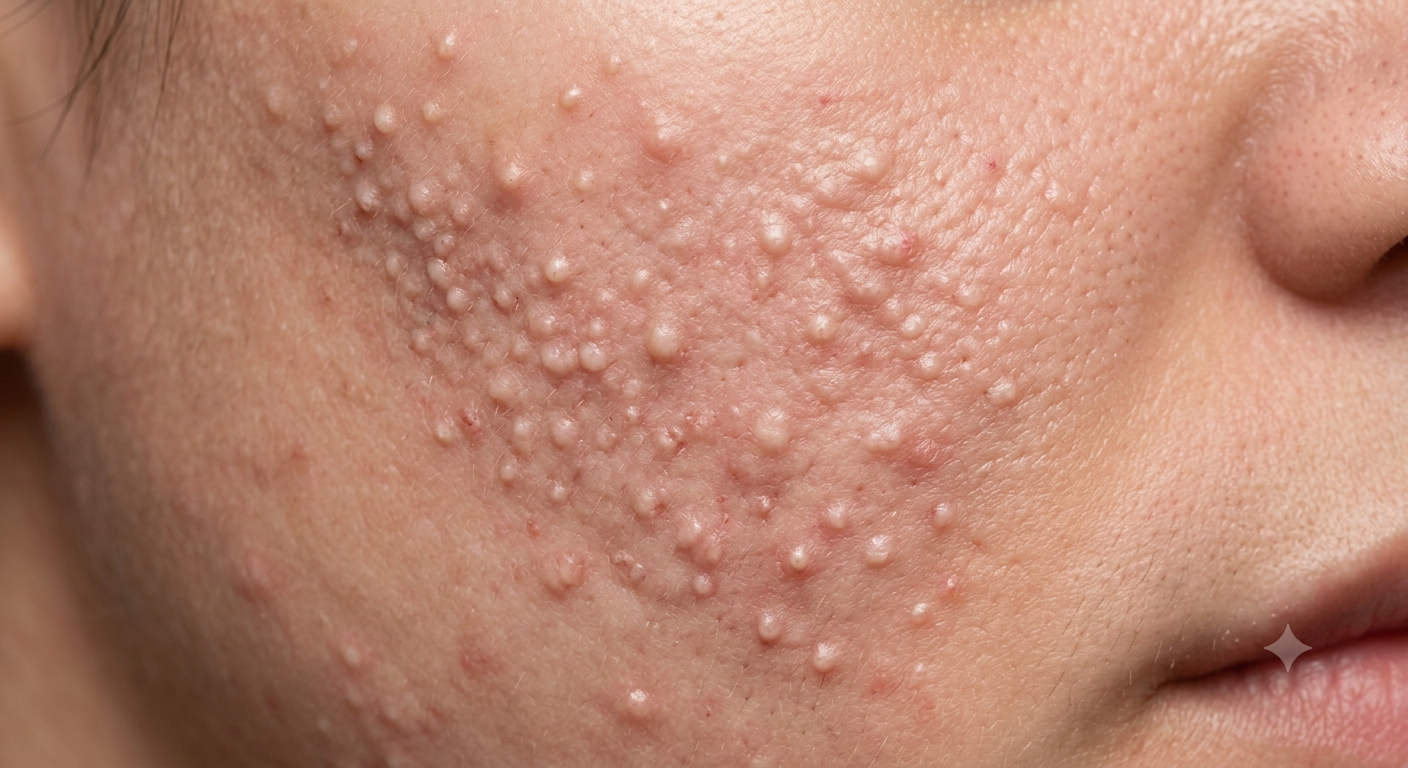
You stand close to the bathroom mirror, look at your nose or chin in bright light, and see tiny grayish-yellow spots filling almost every visible pore. Your first instinct is to panic, grab a pore strip, or start squeezing to push them out.
If this sounds like your daily skincare routine, you are not alone. Millions of people spend years trying to aggressively extract these dots, only to watch them return just 24 to 48 hours later.
The reason aggressive extraction fails is simple: those dots are likely not blackheads at all.
They are sebaceous filaments—a completely natural, necessary part of your skin’s biology. While you cannot permanently destroy them, you can easily minimize their appearance and keep your pores looking smooth. Let's look at what sebaceous filaments are, why squeezing them backfires, and how to build a routine that manages them safely.
What Are Sebaceous Filaments?
To understand how to manage your pores, you have to look beneath the surface.
A sebaceous filament is a microscopic tube-like structure lining the interior wall of your hair follicle. Its biological job is to act as a highway, guiding the natural moisturizing oil (sebum) created by your sebaceous glands from deep inside the pore up to the skin surface to keep your barrier protected.
Sebaceous Gland➡️Produces Sebum➡️Flows Up Sebaceous Filament ➡️Moisturizes Skin Surface
When your skin produces normal amounts of oil, these filaments remain invisible. However, when your oil glands produce excess sebum, that oil mixes with shedding skin cells inside the pore canal. As the mixture nears the surface and hits the air, it oxidizes slightly, turning a light gray, tan, or yellowish color.
The reason aggressive extraction fails is simple: those dots are likely not blackheads at all.
Sebaceous Filaments vs. Blackheads: The Quick Diagnostic
Before treating your skin, it is essential to determine whether you are dealing with healthy oil channels or actual acne lesions.
| Feature | Sebaceous Filaments | Blackheads (Open Comedones) |
| Color | Light gray, tan, yellowish, or flesh-toned. | Dark black or deep brown. |
| Structure | Soft, hair-like fluid thread when expressed. | Hard, solid, raised plug. |
| Distribution | Evenly distributed in clusters across the nose, chin, and central cheeks. | Randomly isolated spots on various areas of the face. |
| Pore Status | Open, functional channel. | Clogged, blocked hair follicle. |
Why Squeezing and Pore Strips Backfire
When people search for how to get rid of sebaceous filaments, they often turn to quick-fix mechanical methods: physical squeezing, metal extraction loops, or adhesive nose strips.
While ripping off a pore strip offers temporary satisfaction, it causes long-term skin damage:
- Pore Wall Trauma: Forcible pulling stretches the elastic fibers around your pores. Over time, damaged pore walls lose their elasticity, causing your pores to look permanently enlarged.
- Capillary Damage: Pressing hard on delicate nasal skin can burst tiny blood vessels beneath the surface, leaving behind permanent red thread veins.
- Rapid Re-filling: Because sebaceous filaments are a biological necessity, your skin will simply refill the empty follicle with fresh oil within 24 to 72 hours.
Instead of forcibly yanking oil out, the secret to minimizing sebaceous filaments visually is dissolving excess surface lipids and keeping the pore canal continuously clear.
The Master Routine: How to Manage Sebaceous Filaments Safely
To minimize the dark, shadow-like appearance of your pores without damaging your moisture barrier, step away from harsh physical stripping and implement a chemistry-first clarifying protocol:
Step 1: Daily Chemical Dissolution with Dr.Leo Salicylic Acid Cleanser
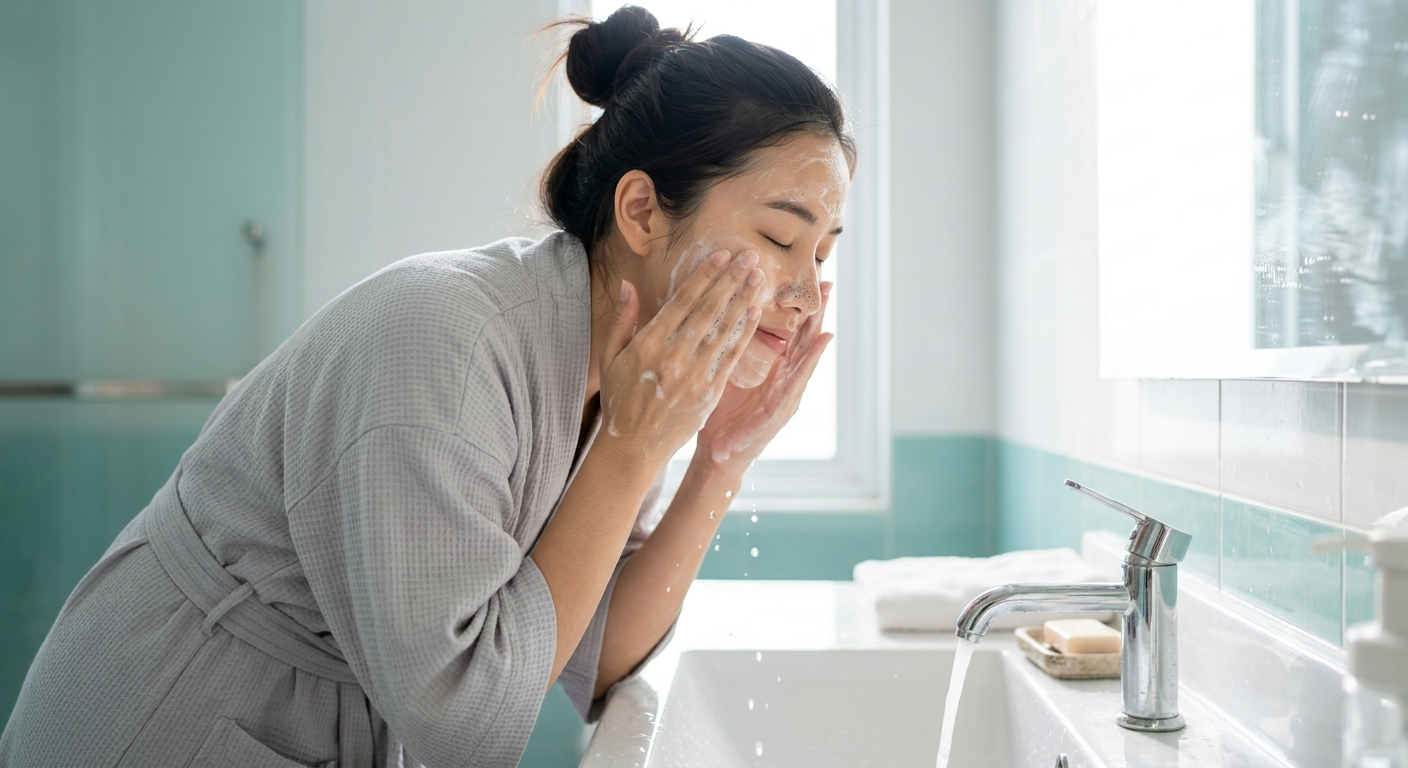
Water alone cannot flush away oily filaments. While traditional oil cleansing balms carry a high risk of leaving behind waxy residues that clog pores, washing daily with the Dr.Leo Salicylic Acid Cleanser offers a cleaner, safer solution. Because Salicylic Acid (BHA) is lipid-soluble, it penetrates straight into the pore lining to dissolve excess sebum, flush out oxidized grease pipelines, and refine visible pore texture without requiring complex emulsification steps.
Step 2: Weekly Magnetic Suction with Dr.Leo Volcanic Clay Cleanser Stick
To keep the tops of your sebaceous filaments from oxidizing into dark dots without pulling on your skin, incorporate physical-free clay suction. Gliding the Dr.Leo Volcanic Clay Cleanser Stick 2-3 times a week across your nose and chin magnetically pulls away loose surface grease and absorbs runaway shine, keeping the pore entrances clean and smooth.
Step 3: Flood Pores with Dr.Leo CICA Panthenol Hydro-Gel Soothing Moisturizer
When skin becomes dehydrated from harsh cleansers, oil glands go into defensive overdrive, producing an avalanche of heavy sebum that refills filaments twice as fast. Lock in weightless hydration with the Dr.Leo CICA Panthenol Hydro-Gel Soothing Moisturizer. Its 100% oil-free microcapsule texture transforms into pure water upon contact, soothing oil glands with Centella Asiatica and Panthenol without adding pore-clogging lipids.
Daily Skincare Framework for Refined Pores
Here is a simple, non-stripping weekly framework for managing high-oil zones:
| Time | Action Focus | Recommended Ingredients |
| Morning (AM) | Cleanse, hydrate, and control surface shine. | Splash with lukewarm water or gentle gel wash; lock in oil-free moisture with Dr.Leo CICA Hydro-Gel and apply lightweight broad-spectrum SPF. |
| Evening (PM) | Targeted Pore Purification | Cleanse daily with Dr.Leo Salicylic Acid Cleanser to liquefy oil pipelines. Follow with non-comedogenic hydration. |
| Weekly Care | Surface Polish & Clay Vacuum | Glide Dr.Leo Volcanic Clay Cleanser Stick over nose and chin 2–3 times a week to absorb oxidized surface shine. |
Embrace Natural Skin Texture
Having visible sebaceous filaments does not mean your skin is dirty—it simply means your skin is doing its biological job by keeping itself naturally lubricated. By ditching damaging extraction tools and committing to lipid-soluble BHA cleansing paired with physical-free clay suction, you can keep your pores clean, clear, and barely noticeable.
Now that you understand the foundational biology of your oil channels, it's time to dive deeper into diagnosis, physical extraction hazards, and localized routine targeting.
Explore Our Complete Sebaceous Filaments Playbook Series:
To learn how to diagnose your skin texture correctly under a magnifying mirror, read Sebaceous Filaments vs. Blackheads: How to Tell the Difference.
To discover why physical extraction causes permanent pore damage and enlarged skin texture, explore Why Squeezing Sebaceous Filaments Makes Them Worse.
To master localized T-zone targeting for your nose and chin, read How to Get Rid of Sebaceous Filaments on Your Nose and Chin.
To review our complete step-by-step product regimen for long-term oil control, explore The Best Skincare Products for Sebaceous Filaments & Routine.