How to Choose the Best Cleanser for Dry Skin
If your skin feels tight, rough, or uncomfortable after washing your face, your cleanser may be part of the problem.
Dry skin needs cleansing too, but removing dirt and impurities should not mean stripping away too much of the skin's natural moisture. The right formula should leave your face feeling clean and comfortable—not tight and squeaky.
So, what makes the best cleanser for dry skin?
The answer comes down to more than simply choosing a product labeled “for dry skin.” You need to consider the cleansing strength, ingredients, texture, and how your skin feels after washing.
What Should a Cleanser for Dry Skin Do?
Dry skin generally benefits from a cleansing formula that focuses on removing daily buildup while minimizing unnecessary dryness.
A suitable cleanser should:
- Remove dirt, sweat, sunscreen, and excess oil
- Avoid leaving skin excessively tight
- Support a comfortable moisture balance
- Provide effective cleansing without aggressive over-cleansing
- Work well with the rest of your skincare routine
Your skin should feel fresh after cleansing, but it should not feel as though all moisture has been removed.
How to Tell If Your Cleanser Is Too Drying
One of the easiest ways to evaluate a cleanser is to pay attention to how your skin feels immediately afterward.
Your cleanser may be too drying if your skin regularly feels:
- Tight or stretched
- Rough
- Flaky
- Uncomfortable
- More sensitive immediately after washing
Occasional dryness does not automatically mean that your cleanser is the cause. Weather, hot water, exfoliating products, and your overall skincare routine can also affect how dry your skin feels.
However, if tightness consistently appears immediately after cleansing, your face wash is worth reconsidering.
What Ingredients Should You Look For?
When choosing a facial cleanser for dry skin, don't focus on one “miracle” ingredient. Instead, look for a well-balanced formula.
Amino Acids
Amino acids can be useful in cleansing formulations designed around a gentler cleansing experience.
They can complement the cleansing process while helping create a formula that feels less harsh on the skin.
For dry skin, a cleanser containing multiple amino acids can be an attractive option when you want effective cleansing without an overly stripped feeling.
Hydrating Ingredients
Ingredients commonly associated with hydration can help support a more comfortable cleansing experience.
However, remember that a cleanser is a rinse-off product. Its primary job is still to clean the skin.
Rather than expecting your cleanser to replace a moisturizer, look for a formula that does not unnecessarily disrupt the skin's comfortable moisture balance.
Plant Extracts
Plant extracts may complement the overall formulation of a cleanser and contribute to its skin-conditioning profile.
But once again, the complete formula matters more than any individual ingredient.
Should You Avoid Salicylic Acid If You Have Dry Skin?
Not necessarily.
Salicylic acid is commonly used in cleansers designed to help remove excess oil and address clogged pores. But people with dry skin should consider their individual tolerance and the rest of their skincare routine.
If your primary concern is dryness and you do not have significant congestion, you may prefer a simple, gentle cleansing formula.
If you have dry skin combined with blackheads or clogged pores, however, a salicylic acid cleanser may still be useful.
The key is not to assume that a stronger cleansing or exfoliating effect is always better.
If you are already using leave-on exfoliating acids or acne treatments, consider your total level of exfoliation before adding another active cleanser.
Gel vs. Cream Cleanser for Dry Skin
The texture of a cleanser can influence how it feels, but texture alone does not determine whether a product is suitable for dry skin.
Gel Cleanser
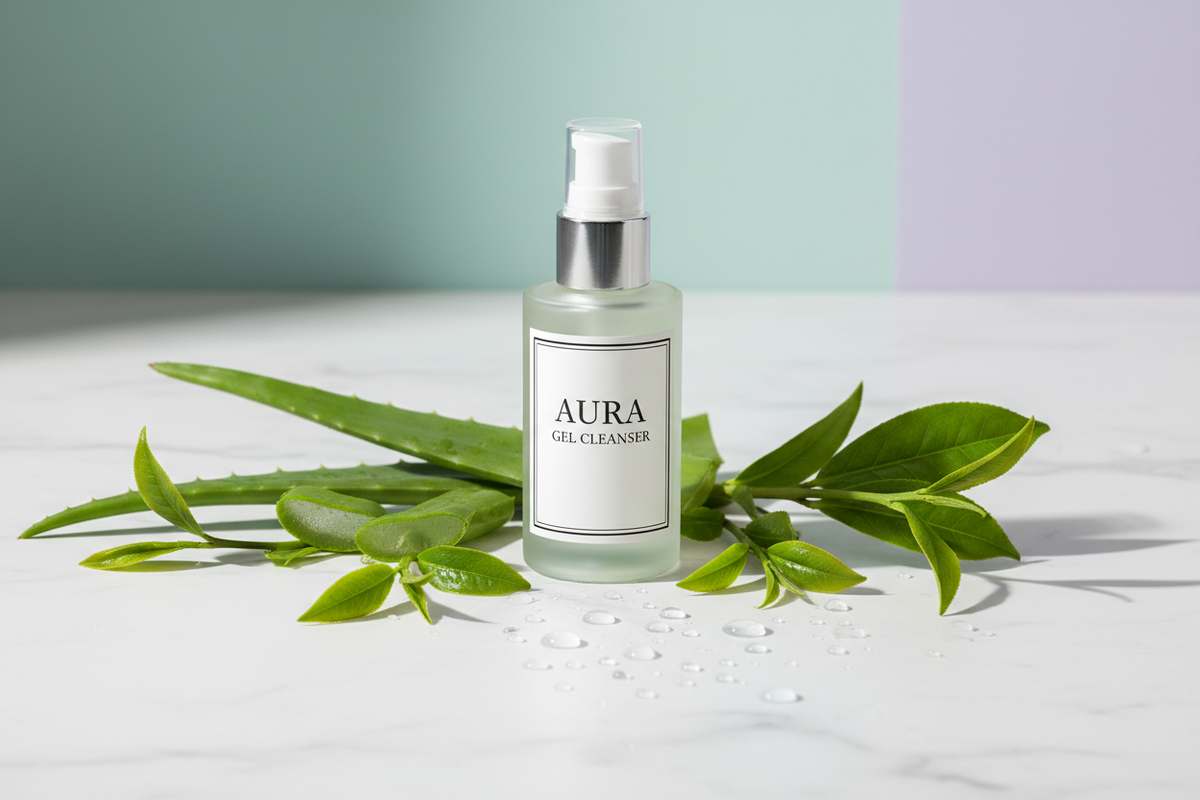
A gel cleanser can provide a lightweight, refreshing cleansing experience.
If you have dry skin but also deal with occasional oiliness or clogged pores, a gentle gel formula may offer a useful balance.
Cream Cleanser
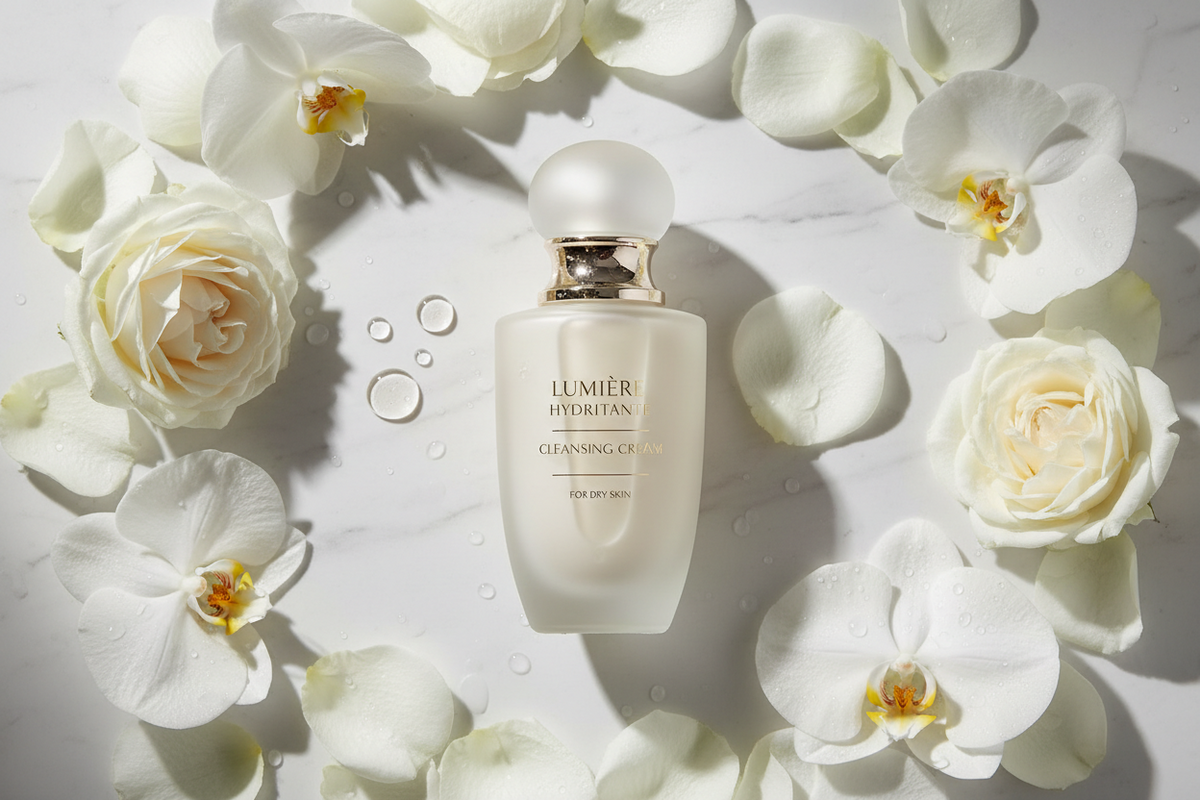
Cream cleansers are often associated with a richer cleansing experience and may appeal to people who prioritize comfort and moisture.
However, a cream texture does not automatically make a cleanser better for dry skin. Always consider the full formula.
Should Dry Skin Use a Fragrance-Free Cleanser?
If your skin is easily irritated by fragranced products, a fragrance-free cleanser may be worth considering.
However, fragrance is only one part of a product's formulation. A cleanser can be fragrance-free and still feel too drying, while another cleanser with a light scent may feel comfortable for someone else.
If fragrance sensitivity is a concern, checking the ingredient list and choosing a formula that your skin tolerates well is more useful than relying on the front-label claim alone.
How Often Should You Cleanse Dry Skin?
Dry skin does not necessarily need aggressive or frequent cleansing.
A simple routine is often enough:
Morning:
If your skin feels dry or tight when you wake up, consider whether you need a full cleansing step. Some people may prefer a gentle cleanse or simply rinsing with water.
Night:
Cleanse to remove sunscreen, makeup, sweat, oil, and accumulated impurities from the day.
Regardless of frequency, avoid using very hot water and prolonged cleansing, as these can contribute to a drier-feeling complexion.
Common Cleansing Mistakes for Dry Skin
Using Very Hot Water
Hot water can make your skin feel drier and less comfortable.
Use lukewarm water instead.
Washing Until Your Skin Feels “Squeaky Clean”
A squeaky-clean sensation is not necessarily a sign that your cleanser is working better.
If your skin consistently feels tight afterward, your cleansing routine may be too aggressive.
Scrubbing While Cleansing
Your cleanser does not need to be aggressively massaged into your skin.
Use gentle movements and let the formula do the cleansing.
Overusing Exfoliating Cleansers
If your cleanser contains salicylic acid or another exfoliating ingredient, consider how often you use it and what other active products are in your routine.
More exfoliation is not automatically better for dry skin.
Skipping Moisturizer After Cleansing
Cleansing is only one step in your skincare routine.
After washing, follow with products that help support your skin's moisture needs, especially if your skin tends to feel dry.
Our Pick: A Gentle Cleanser for Dry, Dehydrated-Feeling Skin
If you want a cleanser that combines effective cleansing with a focus on maintaining skin comfort, Dr.Leo Polyamino Acid Purifying Facial Cleanser is one option to consider.
Its jelly-textured formula combines salicylic acid, 8 amino acids, and plant extracts to remove dirt, oil, and impurities while helping maintain the skin's natural moisture balance.
The formula is also dermatologist-developed for sensitive skin and designed without harsh chemicals.
Why it may be suitable for dry skin:
- 8 amino acids complement the cleansing formula
- Helps remove dirt, oil, and daily impurities
- Designed to maintain the skin's natural moisture balance
- Jelly texture provides a lightweight cleansing experience
- Contains salicylic acid for skin that also experiences clogged pores
- Dermatologist-developed for sensitive skin
- Free from harsh chemicals
If your dry skin is also prone to clogged pores, the combination of cleansing and salicylic acid may be particularly relevant.
How to Build a Simple Cleansing Routine for Dry Skin
You do not need a complicated cleansing routine.
A simple approach can be:
1. Cleanse gently
Use lukewarm water and avoid aggressive rubbing.
2. Don't over-cleanse
Adjust cleansing frequency according to how your skin feels.
3. Follow with moisturizer
Apply your moisturizer after cleansing to support your skin's moisture needs.
4. Use exfoliating ingredients thoughtfully
If your cleanser contains salicylic acid, consider your skin's tolerance and the other active ingredients in your routine.
The goal is to keep your skin clean without turning cleansing into another source of dryness.
Best Cleanser for Dry Skin: Quick Checklist
When comparing cleansers, look for a formula that:
- Cleans without leaving your skin excessively tight
- Supports a comfortable moisture balance
- Contains gentle cleansing components such as amino acids
- Fits your skin's tolerance
- Does not require aggressive scrubbing
- Can be used consistently
- Works well with the rest of your skincare routine
If you also have clogged pores or excess oil, a cleanser containing salicylic acid may be worth considering—but make sure the overall formula and frequency work for your dry skin.