Does Oily Skin Need Moisturizer? Here's Why
Does oily skin really need moisturizer? Absolutely. Even if your face looks shiny or feels greasy throughout the day, your skin still needs hydration. Oil production and skin hydration are two different things, and having oily skin doesn't mean you can skip moisturizer.
The challenge is finding a formula that provides enough hydration without leaving your face feeling heavy, sticky, or excessively greasy. For people with oily or acne-prone skin, lightweight gel and jelly moisturizers can be practical alternatives to traditional rich creams.
In this guide, we'll explain why oily skin needs moisturizer, how to recognize signs of dehydration, which ingredients to look for, and how to build a comfortable hydration routine. We'll also explore how a lightweight jelly moisturizer like Dr.Leo CICA Panthenol Jelly Moisturizer fits into daily skincare for oily and sensitive skin.
Key Takeaways
- Oily skin still needs moisturizer: Excess sebum production doesn't mean your skin has enough water.
- Oil and hydration are different: Your skin can look shiny while still feeling dry, tight, or uncomfortable.
- Choose lightweight textures: Gel and jelly moisturizers can provide hydration without the heavy feeling of traditional creams.
- Support your skin barrier: Ingredients such as Panthenol and CICA are commonly used in skincare formulas designed to support skin comfort and hydration.
- Don't skip moisturizing: A suitable moisturizer can complement your cleansing and acne-care routine.

Why Does Oily Skin Need Moisturizer?
One of the biggest misconceptions about oily skin is that it doesn't need additional moisture. Since oily skin produces more sebum, many people assume that applying moisturizer will only make their face greasier.
However, sebum and water serve different functions in the skin. Sebum is an oily substance produced by sebaceous glands, while water is essential for maintaining skin hydration.
These two factors are not interchangeable. Your skin can produce excess oil and still experience dehydration or dryness.
Moisturizer helps reduce water loss and supports the skin's protective barrier. For people with oily skin, choosing a suitable moisturizer can help maintain hydration without adding an unnecessarily heavy feeling to their routine.
Oily Skin vs. Dehydrated Skin: What's the Difference?
Understanding the difference between oily skin and dehydrated skin can help you make better skincare choices.
What Is Oily Skin?
Oily skin is generally associated with increased sebum production. You may notice:
- A shiny appearance, especially across the forehead, nose, and chin.
- Greasy skin throughout the day.
- Visible pores, particularly around the T-zone.
- Frequent blackheads, whiteheads, or occasional breakouts.
What Is Dehydrated Skin?
Dehydrated skin refers to skin that lacks sufficient water. Unlike dry skin, which is a skin type associated with lower oil production, dehydration is a condition that can affect different skin types, including oily skin.
Some common signs of dehydrated skin include:
- A tight or uncomfortable feeling after cleansing.
- Skin that looks dull or feels less supple.
- Fine dehydration lines.
- Dry patches despite an oily T-zone.
- A combination of surface shine and uncomfortable dryness.
If your skin feels oily but also tight or uncomfortable, it may be worth reviewing your cleansing and moisturizing routine rather than assuming you need to remove more oil.
Can Oily Skin Be Dehydrated?
Yes. Oily skin can also be dehydrated.
For example, someone may experience excess sebum production around the forehead and nose while feeling tightness or dryness across the cheeks.
Several factors may contribute to this experience:
1. Over-Cleansing
Washing your face too frequently or using overly harsh cleansers can disrupt the skin's protective barrier and leave your skin feeling dry and uncomfortable.
Although removing excess oil is part of cleansing, your routine should not leave your skin feeling excessively stripped after every wash.
2. Using Too Many Exfoliating Products
Products containing exfoliating acids or other active ingredients can be useful for certain skincare concerns. However, using multiple active products too frequently may increase the risk of dryness and irritation.
If your skin feels tight, flaky, or uncomfortable, consider simplifying your routine and reviewing how frequently you use these products.
3. Skipping Moisturizer
Some people with oily skin avoid moisturizer because they worry about looking even shinier. However, skipping moisturizer doesn't address the difference between oil production and hydration.
A suitable moisturizer can help maintain skin hydration and complement a balanced skincare routine.
4. Environmental Factors
Air conditioning, low humidity, weather changes, and frequent exposure to dry environments can contribute to moisture loss and skin discomfort.
Even if your skin naturally produces more oil, environmental conditions may still affect its hydration levels.
How to Choose the Best Moisturizer for Oily Skin
Finding the best moisturizer for oily skin is not about choosing the lightest product available or avoiding every ingredient associated with oils. Instead, look for a formula that provides sufficient hydration while feeling comfortable on your skin.
1. Choose a Lightweight Texture
Texture is particularly important if you dislike the heavy or greasy feeling of traditional face creams.
Consider the following moisturizer formats:
- Gel Moisturizers: Often have a lightweight, refreshing texture that feels comfortable on oily skin.
- Jelly Moisturizers: Typically feature a lightweight, water-based feel and can be a convenient option for people who prefer a less heavy moisturizing experience.
- Lightweight Lotions: Offer another option for people who want daily hydration without a thick cream texture.
However, texture alone does not determine whether a moisturizer is suitable for your skin. Always consider the complete formula and how your skin responds.
2. Look for Hydrating Ingredients
When choosing a moisturizer for oily skin, look for ingredients that help maintain hydration.
Hyaluronic Acid
Hyaluronic Acid is a humectant that attracts and helps retain water in the skin. It is commonly used in lightweight moisturizing products.
Glycerin
Glycerin is another humectant that helps draw water into the outer layers of the skin and support hydration.
Panthenol
Panthenol, also known as provitamin B5, is commonly used in skincare products for its moisturizing and skin-conditioning properties. It helps support skin hydration and comfort.
3. Consider Skin Barrier-Supporting Ingredients
Your skin barrier helps protect against external irritants and reduce moisture loss. Choosing a moisturizer that supports skin barrier function can be particularly helpful if your skin often feels tight, dry, or uncomfortable.
Some ingredients commonly used in barrier-supporting skincare formulas include:
- CICA: Centella Asiatica-derived ingredients are widely used in skincare products designed for soothing and skin comfort.
- Panthenol: Helps maintain hydration and supports skin conditioning.
- Ceramides: Lipids naturally found in the skin barrier that help maintain its protective structure.

4. Avoid Choosing Products Based on Marketing Claims Alone
Terms such as oil-free, lightweight, non-greasy, and non-comedogenic can help narrow down your choices, but they don't guarantee that every formula will work equally well for everyone.
Consider your skin's individual needs, review the ingredient list, and pay attention to how the product feels after application.
What Is the Best Moisturizer for Oily Acne-Prone Skin?
If you have both oily and acne-prone skin, finding a moisturizer can be especially challenging.
You may want enough hydration to keep your skin comfortable, but you may also dislike products that feel thick, greasy, or heavy.
The goal is to find a moisturizer that supports hydration and skin barrier care while fitting comfortably into your acne-care routine.
Look for Lightweight Hydration
Gel and jelly moisturizers are worth considering if you prefer a lightweight texture. They can provide hydration without the rich feel that some traditional creams have.
Don't Skip Moisturizer When Using Acne Treatments
Some acne-care ingredients, including Salicylic Acid and Benzoyl Peroxide, may cause dryness or irritation, particularly when used frequently or combined with other active ingredients.
Using a suitable moisturizer can help maintain skin hydration and support your skin barrier as part of your overall acne-care routine.
Keep Your Routine Balanced
A simple routine is often easier to maintain than one containing too many active ingredients.
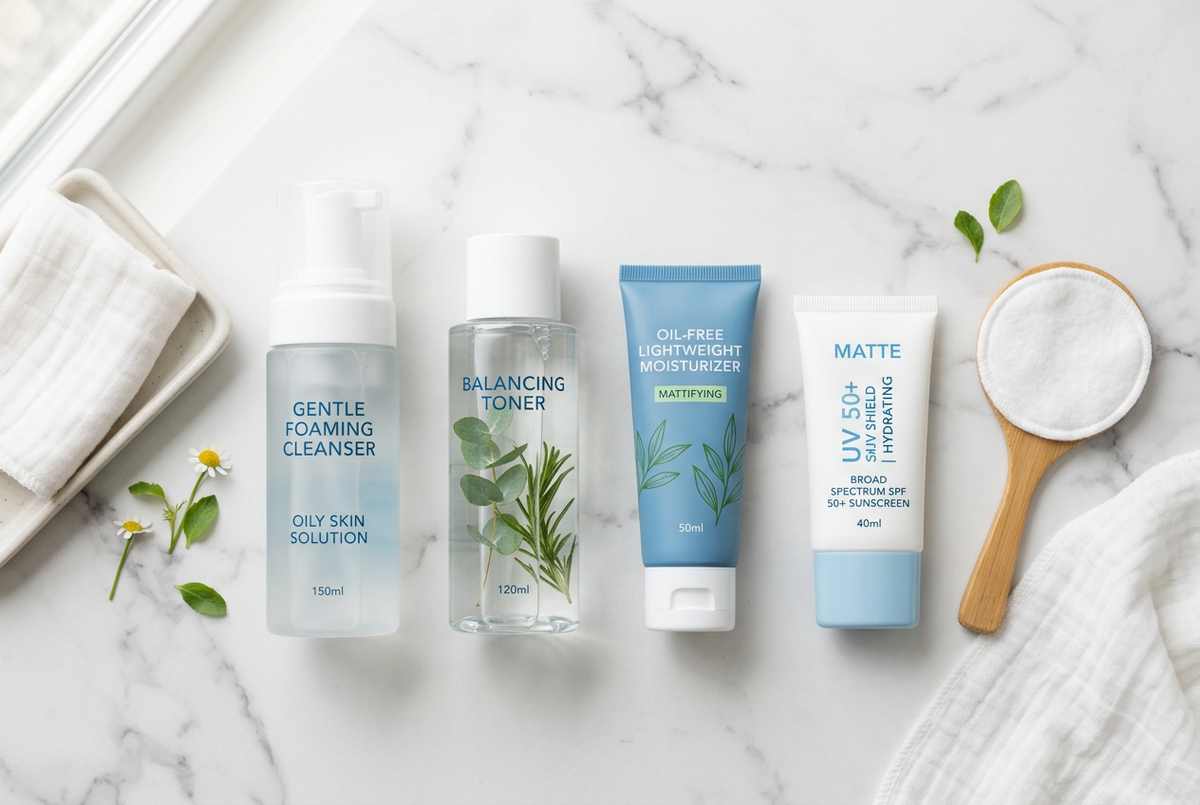
Focus on gentle cleansing, targeted treatments when needed, lightweight moisturizing, and daily sun protection.
How to Moisturize Oily Skin Without Feeling Greasy
If you dislike the feeling of moisturizer on oily skin, adjusting the product texture and application method may help.
Step 1: Start with Clean Skin
Use a gentle cleanser to remove excess oil, sweat, and daily impurities. Avoid aggressive scrubbing or washing your face too frequently.
A gentle daily option is Dr.Leo Polyamino Acid Purifying Facial Cleanser, which can be incorporated into your morning and evening cleansing routine.
Step 2: Apply a Suitable Amount
Use the amount recommended by the product directions. Applying more moisturizer than your skin needs may make the finish feel heavier.
Step 3: Choose a Lightweight Formula
Consider gel or jelly moisturizers if you prefer a refreshing texture. Allow the product to settle before applying the next skincare step.
Step 4: Adjust Based on Your Skin's Needs
Your skin's hydration needs may change depending on the season, environment, and other products in your routine. Pay attention to whether your skin feels comfortable throughout the day.
Common Moisturizing Mistakes for Oily Skin
Choosing a suitable moisturizer is important, but how you use it also matters.
1. Skipping Moisturizer Completely
Having oily skin doesn't mean you can skip hydration. Instead of avoiding moisturizer, find a formula that feels comfortable on your skin.
2. Choosing a Heavy Texture You Dislike
If you consistently dislike the greasy feeling of a thick cream, you may find it difficult to maintain a regular moisturizing routine. Consider lightweight alternatives such as gel or jelly formulas.
3. Overusing Active Ingredients
Combining multiple exfoliating products or acne treatments can increase the risk of irritation and dryness. Keep your routine balanced and introduce new products gradually.
4. Confusing Oil Control with Hydration
Removing excess surface oil is not the same as maintaining skin hydration. A balanced routine should address both concerns without trying to eliminate all natural skin oils.
Why Choose Dr.Leo CICA Panthenol Jelly Moisturizer?
If you have oily, acne-prone, or sensitive skin and dislike the heavy feeling of traditional creams, Dr.Leo CICA Panthenol Jelly Moisturizer offers a lightweight moisturizing option.
Developed with oily and sensitive skin needs in mind, this moisturizer features a lightweight jelly texture designed to provide hydration while helping support skin comfort and barrier care.
Lightweight Jelly Texture
One of the biggest concerns for people with oily skin is finding a moisturizer that doesn't feel thick or greasy.
Dr.Leo CICA Panthenol Jelly Moisturizer features a lightweight jelly texture that provides a more comfortable moisturizing experience for people who prefer lighter skincare products.
CICA and Panthenol for Skin Comfort
CICA and Panthenol are widely used in skincare formulations designed to support skin comfort and hydration.
These ingredients complement the moisturizer's focus on skin barrier care, making it an option for people who want to maintain hydration as part of a routine for oily and sensitive skin.
Designed for Oily and Sensitive Skin
Oily skin can also experience redness, dryness, and sensitivity, especially when exposed to frequent cleansing or active acne treatments.
Dr.Leo CICA Panthenol Jelly Moisturizer is designed for people who want lightweight hydration and skin barrier support without the heavy feeling they may associate with traditional creams.
If you're looking for a moisturizer that fits a routine focused on oily and blemish-prone skin, explore Dr.Leo CICA Panthenol Jelly Moisturizer and see whether its lightweight jelly texture fits your daily skincare needs.
Build a Simple Moisturizing Routine for Oily Skin
Moisturizing doesn't need to be complicated. The right product can fit easily into a simple morning and nighttime skincare routine.
Morning Routine
- Cleanse your face with a gentle facial cleanser.
- Apply a lightweight moisturizer suitable for oily skin.
- Finish with broad-spectrum SPF 30 or higher sunscreen.
Nighttime Routine
- Remove makeup and sunscreen.
- Cleanse your face gently.
- Apply any suitable targeted treatments according to their directions.
- Finish with a lightweight moisturizer to help maintain hydration overnight.
If you use exfoliating acids, retinoids, or acne treatments, adjust your routine based on your skin's tolerance and the instructions for each product.
Give Oily Skin the Hydration It Needs
Oily skin doesn't mean your skin should go without moisturizer. Excess sebum production and skin hydration are two different things, and maintaining both is an important part of a balanced skincare routine.
Instead of avoiding moisturizer, focus on finding a formula that provides comfortable hydration without feeling unnecessarily heavy.
With its lightweight jelly texture and CICA Panthenol-focused formulation, Dr.Leo CICA Panthenol Jelly Moisturizer is an option for people looking to add lightweight hydration and skin barrier care to their oily-skin routine.
Choose a moisturizer that works with your skin, not against it, and make hydration a consistent part of your daily skincare routine.