Why Squeezing Sebaceous Filaments Makes Them Worse
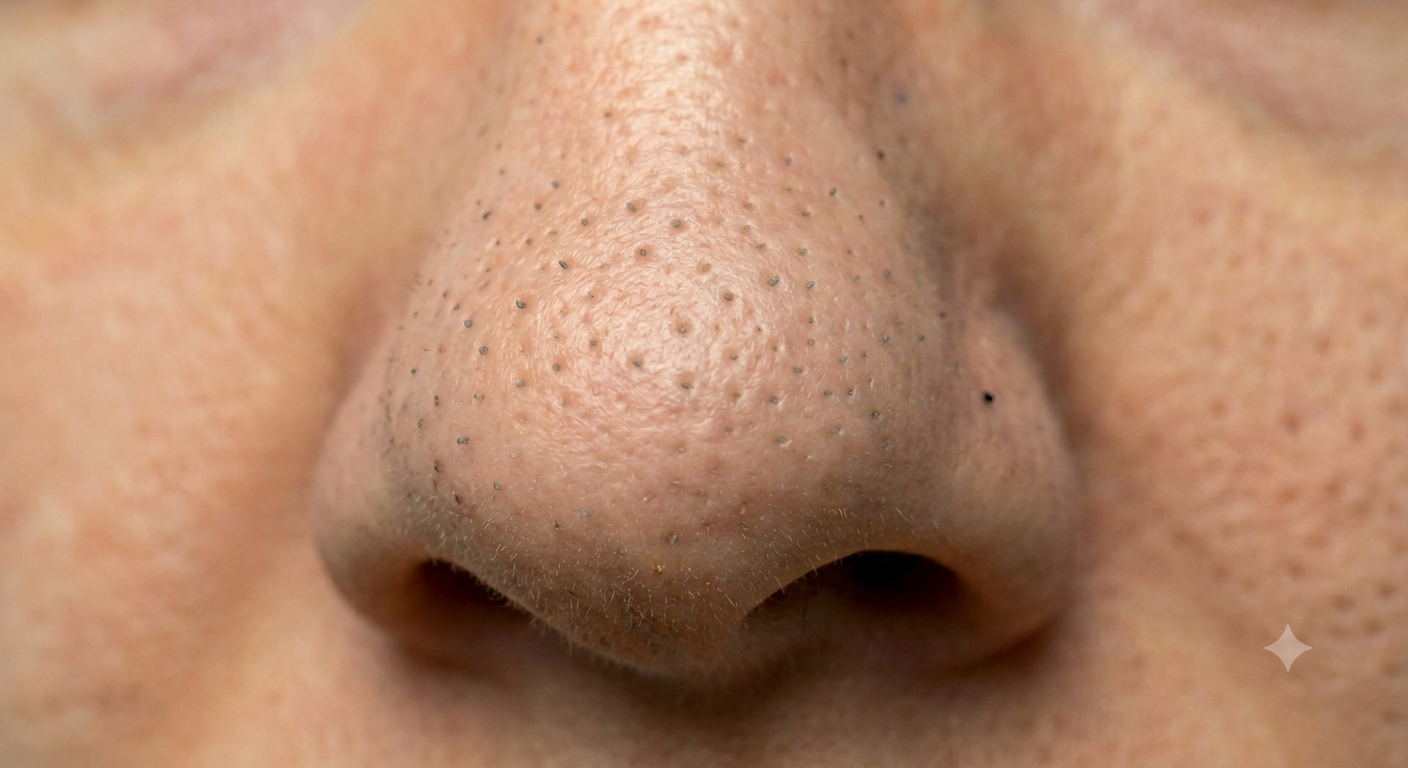
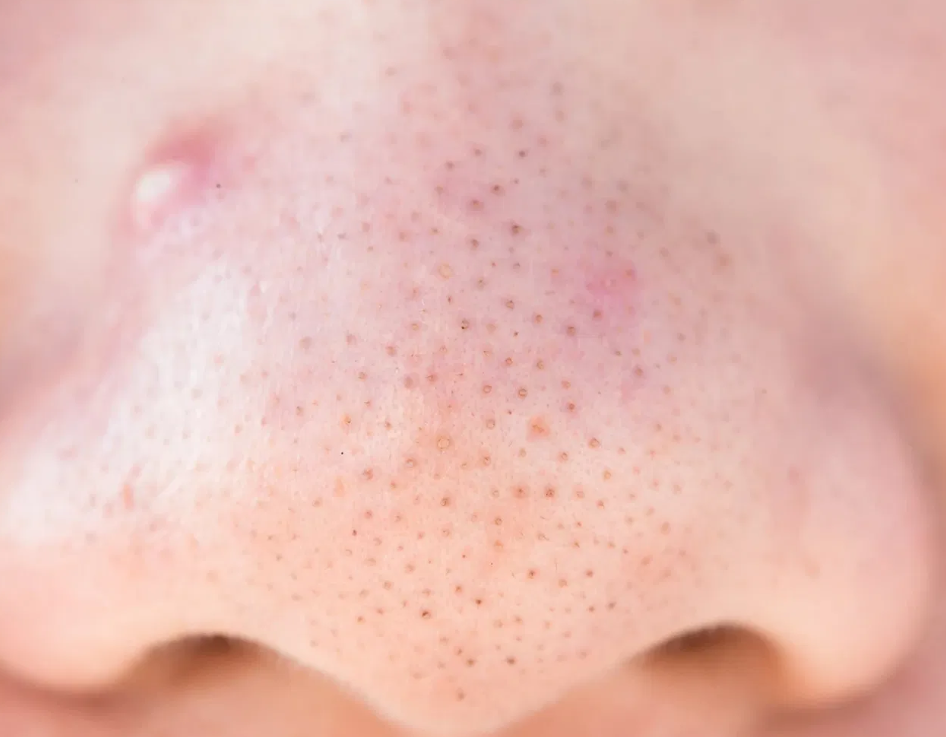
We have all been there. You stand inches away from the bathroom mirror under bright vanity light, notice tiny gray dots peppering your nose or chin, and feel an overwhelming urge to press them out. You grab a pair of tweezers, a metal extractor loop, or a sticky nose strip, expecting to clear your pores once and for all.
A tiny strand comes out, giving you a quick sense of satisfaction. But within 24 to 72 hours, those exact same dots are back—often accompanied by redness, peeling, or even broken micro-capillaries.
When searching for sebaceous filaments removal, it is easy to fall into the trap of mechanical extraction. However, treating a natural oil pipeline like a pimple causes lasting damage to your skin barrier and pore structure. Here is the science behind why squeezing backfires, and what you should do instead to achieve smooth, refined skin without physical trauma.
The Illusion of Removal: Why Mechanical Extraction Fails
The main reason squeezing fails is a fundamental misunderstanding of skin anatomy: sebaceous filaments are not temporary blockages; they are functional skin structures.
Unlike a blackhead (an abnormal, hardened plug of trapped dead cells and oxidized oil), a sebaceous filament is a continuous channel designed to carry moisturizing oil to your skin's surface.
Forcible Extraction➡️Empties Pore Canal➡️Gland Continues Producing Oil ➡️Refills in 24–72 Hours
When you forcefully extract a filament, you are simply emptying a pipe that your oil glands are actively filling. Within days, fresh sebum flows right back up the channel, oxidizes at the surface, and recreates the exact same gray dot you just squeezed out.
The Hidden Costs of Squeezing Your Pores
While the filament itself will refill within days, the structural damage caused by manual extraction, metal loops, and adhesive nose strips can be permanent:
1. Permanent Pore Stretching
Your pore openings are surrounded by delicate elastin and collagen fibers that keep them tight and resilient. Pressing down hard or yanking them with sticky nose strips tears these structural fibers. Over time, damaged pore walls lose their elasticity, causing your pores to stay permanently stretched open.
2. Broken Capillaries (Spider Veins)
The skin across your nasal bridge and nostril folds is exceptionally thin and packed with fragile blood micro-vessels. Heavy finger pressure or metal loops break these blood vessels, leaving behind permanent red thread-like lines (telangiectasia) that cannot be cured by topical skincare.
3. Micro-Inflammation & Post-Acne Marks
Mechanically dragging tools across your skin creates micro-tears in your outer skin barrier. This trauma triggers an inflammatory response that can turn a harmless, light-gray filament into an angry, inflamed pimple or leave behind lingering dark red/brown post-inflammatory hyperpigmentation (PIH).
The Safe Alternative: Dissolve and Magnetically Vacuum
If mechanical extraction does more harm than good, how do you actually keep your skin looking clear?
The key is replacing physical force with chemical dissolution and contactless clay suction. Instead of violently pulling oil out, you use lipid-soluble exfoliants to melt excess sebum inside the canal and natural clays to gently absorb oxidized surface grease.
| Action Method | Mechanical Squeezing / Nose Strips | Chemical Dissolution (Oil + BHA) |
| Primary Mechanism | High physical pressure and aggressive adhesive pulling. | Chemical melting and contactless lipid absorption. |
| Pore Wall Impact | Tears collagen fibers; stretches pores permanently open. | Preserves pore elasticity and structural integrity. |
| Capillary Risk | Preserves pore elasticity and structural integrity. | Zero physical trauma or pressure on delicate blood vessels. |
| Long-Term Result | Rebound oiliness, larger pores, micro-scars. | Visibly refined, smooth, and balanced skin. |
Your 3-Step Extraction-Free Routine
To clear oxidized oil without damaging your skin barrier, swap your harsh extraction tools for this simple, skin-safe method:
Step 1: Magnetic Surface Suction with Dr.Leo Volcanic Clay Cleanser Stick
If you crave the satisfaction of "removing" surface shine without the damage of nose strips, use contactless clay suction. Gliding the Dr.Leo Volcanic Clay Cleanser Stick 2–3 times a week across your nose and chin magnetically draws out excess surface grease and softens hardened tops without pulling on delicate skin fibers.
Step 2: Daily Interior Flushing with Dr.Leo Salicylic Acid Cleanser
Instead of applying leave-on acids that can irritate stripped skin, cleanse daily with the Dr.Leo Salicylic Acid Cleanser. Salicylic Acid (BHA) is lipid-soluble, allowing it to penetrate straight into the pore canal to break down hardened sebum pipelines and flush out interior buildup before it turns dark.
Step 3: Soothe & Balance with Dr.Leo CICA Panthenol Hydro-Gel Soothing Moisturizer
After purifying your pores, calm down potential oil gland overactivity. Apply the Dr.Leo CICA Panthenol Hydro-Gel Soothing Moisturizer. Its oil-free, burst-water gel texture cools squeezed or inflamed skin with Centella Asiatica while regulating sebum production so filaments don't refill as quickly.
Ditch the Extractor, Save Your Barrier
The goal of a healthy skincare routine is not to violently strip your skin bare, but to work alongside its natural biology. By ditching manual extractor tools, adhesive pore strips, and harsh pinching, you protect your skin's collagen framework and prevent long-term pore distortion.
Now that you know how to avoid damaging extraction traps, you are ready to target high-oil zones like your nose and chin with precision.
Explore Our Complete Sebaceous Filaments Playbook Series:
- To master localized T-zone targeting for your nose and chin, read our next guide: How to Get Rid of Sebaceous Filaments on Your Nose and Chin.
- To review foundational pore biology, read The Ultimate Guide to Sebaceous Filaments: What They Are & How to Keep Them Clear.
- To learn how to diagnose whether you are dealing with filaments or true blackheads, explore Sebaceous Filaments vs. Blackheads: How to Tell the Difference.
- To review our complete step-by-step product regimen for long-term oil control, read The Best Skincare Products for Sebaceous Filaments & Routine.