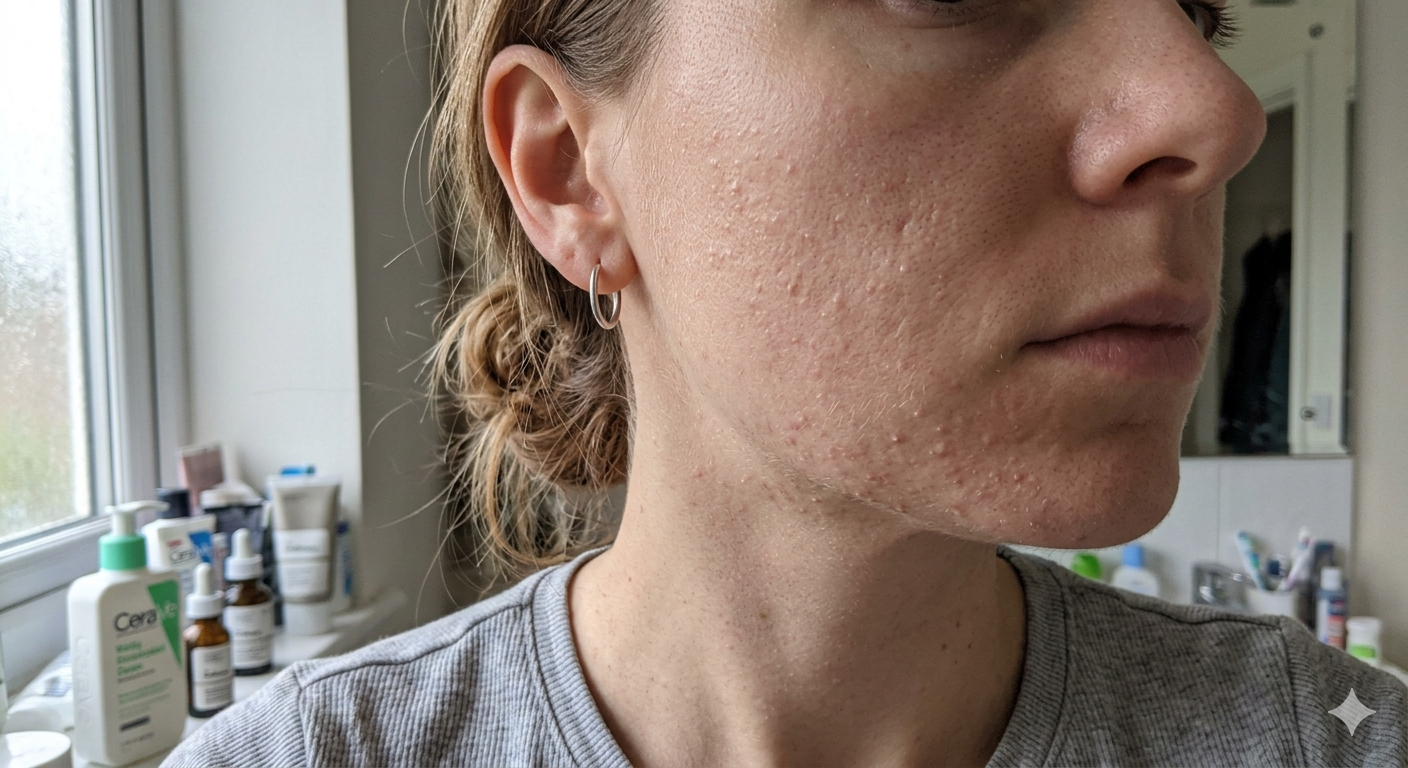
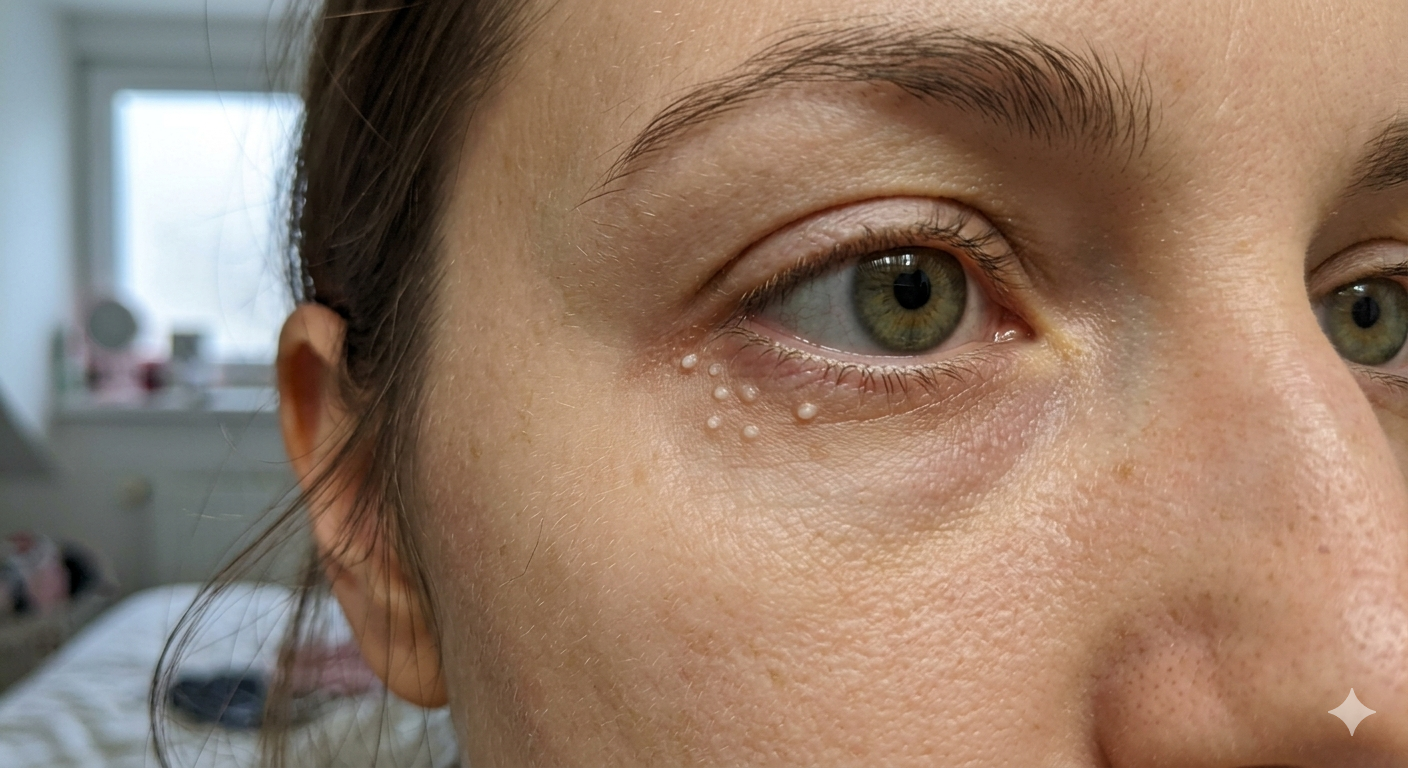
How to Get Rid of Stubborn Closed Comedones on Your Forehead
Learn what causes closed comedones on your forehead and how to get rid of stubborn forehead bumps with a gentle skincare routine designed to unclog pores and protect your skin barrier.
So, why do closed comedones appear on your forehead? The main causes are excess sebum production, clogged pores, hair products, sweat, and buildup from daily skincare or makeup products. The good news is that with the right routine, you can gradually smooth forehead texture and reduce recurring congestion.
Because the forehead is part of the T-zone, it naturally produces more oil than many other areas of the face. This makes it especially prone to closed comedones when excess sebum combines with dead skin buildup.
What Causes Closed Comedones on Your Forehead?
To defeat forehead closed comedones, you first need to understand why they love this specific zone. Your forehead is the anchor of the infamous "T-Zone," an area of the face anatomically packed with a massive concentration of sebaceous (oil) glands.
When these glands pump out excess oil, a vicious cycle begins:
- The Trapped Fluid: The sticky, heavy sebum mixes with microscopic dead skin cells that your skin fails to shed naturally.
- The Sealed Door: On the forehead, this mixture quickly solidifies inside the hair follicle. A thin layer of skin cells grows completely over the opening, trapping the plug underneath and sealing it away from oxygen.
External Triggers: Hair styling products, sweat from working out, heavy hats, or friction from bangs can trap even more heat and oil against your brow, turning your forehead into a breeding ground for closed comedones forehead clusters
Mistakes That Make Forehead Closed Comedones Worse
When people notice their forehead skin looking like sandpaper, their first instinct is often destructive. To protect your skin barrier, immediately stop these two behaviors:
- Aggressive Physical Scrubbing: Using harsh face scrubs, facial brushes, or textured pads will not dislodge a plug that is sealed under a layer of skin. It will only tear your moisture barrier, leading to redness and driving the inflammation deeper.
-
Forceful Squeezing: Because :closed comedones do not have a natural open top, squeezing them with your fingers or nails will rupture the follicle wall beneath the surface, turning a calm, tiny bump into a massive, painful cystic pimple
How to Get Rid of Closed Comedones on Forehead: 3-Step Routine
Because forehead clogs are deeply rooted inside oil-producing glands and sealed shut, you need a targeted, large-scale clinical approach. Instead of spot treatments, adopt this non-irritating three-step regimen to dissolve the hardened sebum glue and restore a smooth brow:
Step 1: Use Salicylic Acid to Unclog Forehead Pores
Most standard skincare acids (like Glycolic Acid) are water-soluble, meaning they only clear dead skin on the very surface. To clear a closed comedones forehead issue, you must use Salicylic Acid (BHA). Because Salicylic Acid is oil-soluble, it can seamlessly pass through the surface seal and dive straight into the oily core of the forehead plug. Washing daily with the Dr.Leo Salicylic Acid Cleanserutilizes a smarter, encapsulated salicylic acid formula to ensure this powerful clearing action happens gradually, melting away the trapped debris from the inside out without drying out your forehead.
Step 2: Control Excess Oil with a Clay Cleanser
Since your forehead deals with heavy oil production, sweat, and hair product residue, standard washing needs backup. Incorporating the Dr.Leo Volcanic Clay Cleanser Stick2-3 times a week onto your forehead allows you to literally vacuum up runaway grease and stubborn surface impurities. This targeted clay treatment cuts off the oil supply that feeds the forehead plugs, stopping future congestion before it can form into a sandpaper texture.
Step 3: Repair Your Skin Barrier to Prevent More Clogged Pores
Exfoliating and deep-cleansing your T-zone can leave the skin surface temporarily vulnerable. If you don't hydrate properly, your forehead will produce compensatory oil, making the bumps worse. Always lock in weightless moisture with the Dr.Leo 7X Centella Calming Series—featuring our toner, lotion, and the highly soothingDr.Leo Centella Calming Cream.Packed with anti-inflammatory botanical power, it instantly cools down skin irritation, repairs the protective barrier, and keeps your forehead texture plump, balanced, and perfectly smooth.
Reset Your Forehead Texture
Learning how to get rid of closed comedones on your forehead requires patience and the right formulation. By stepping away from aggressive physical scrubbing and switching to oil-soluble chemical exfoliants paired with lightweight barrier repair, you can smoothly dissolve the trapped plugs and reclaim a clear, soft brow.
Remember, while the forehead is a massive trouble area, these trapped plugs often mirror patterns across other zones of your face.
- If you notice similar texture spreading down the sides of your face, check out Cheek Closed Comedones: Causes and Solutions.
- If your bumps are heavily accompanied by an intense itchiness, make sure to cross-check your symptoms with Closed Comedones vs. Fungal Acne: How to Tell the Difference