Milia or Closed Comedones? The Texture Guide
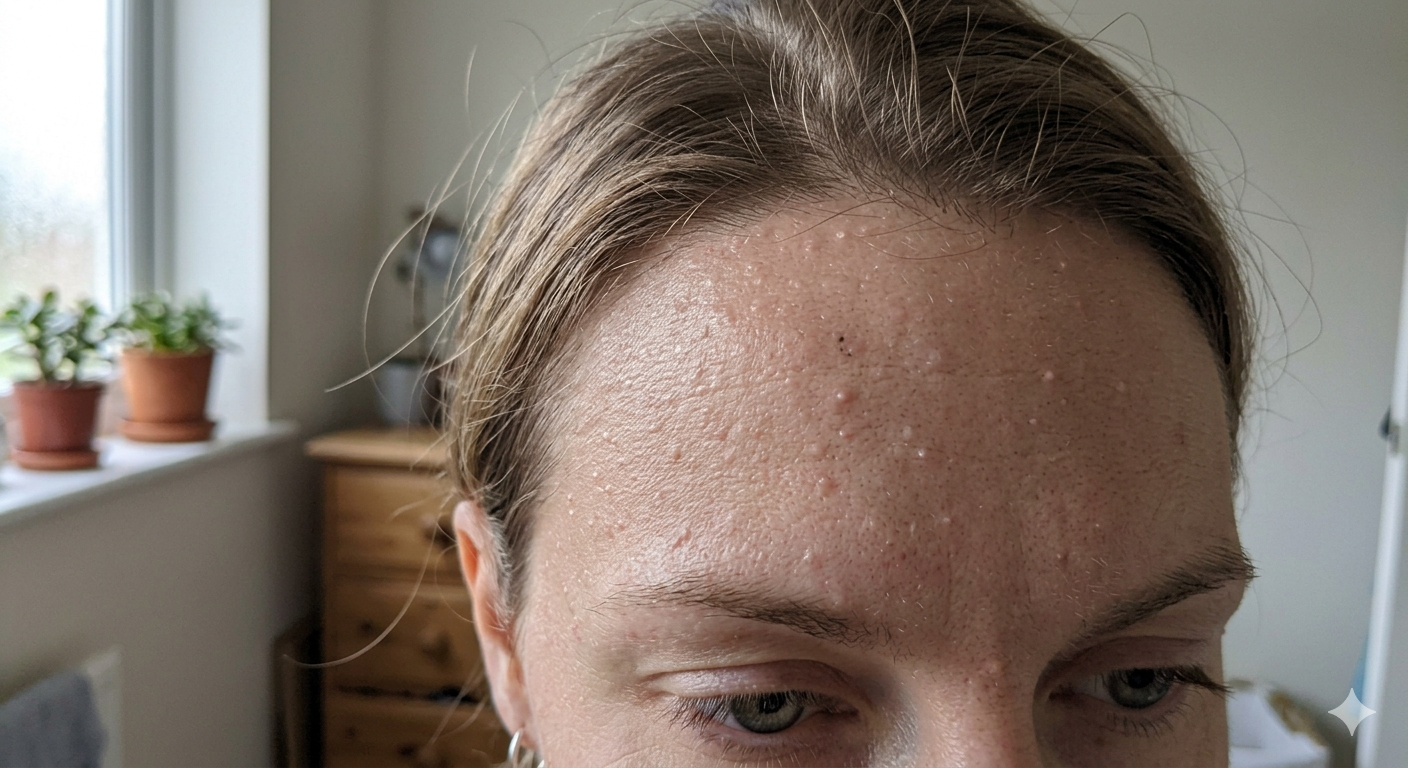
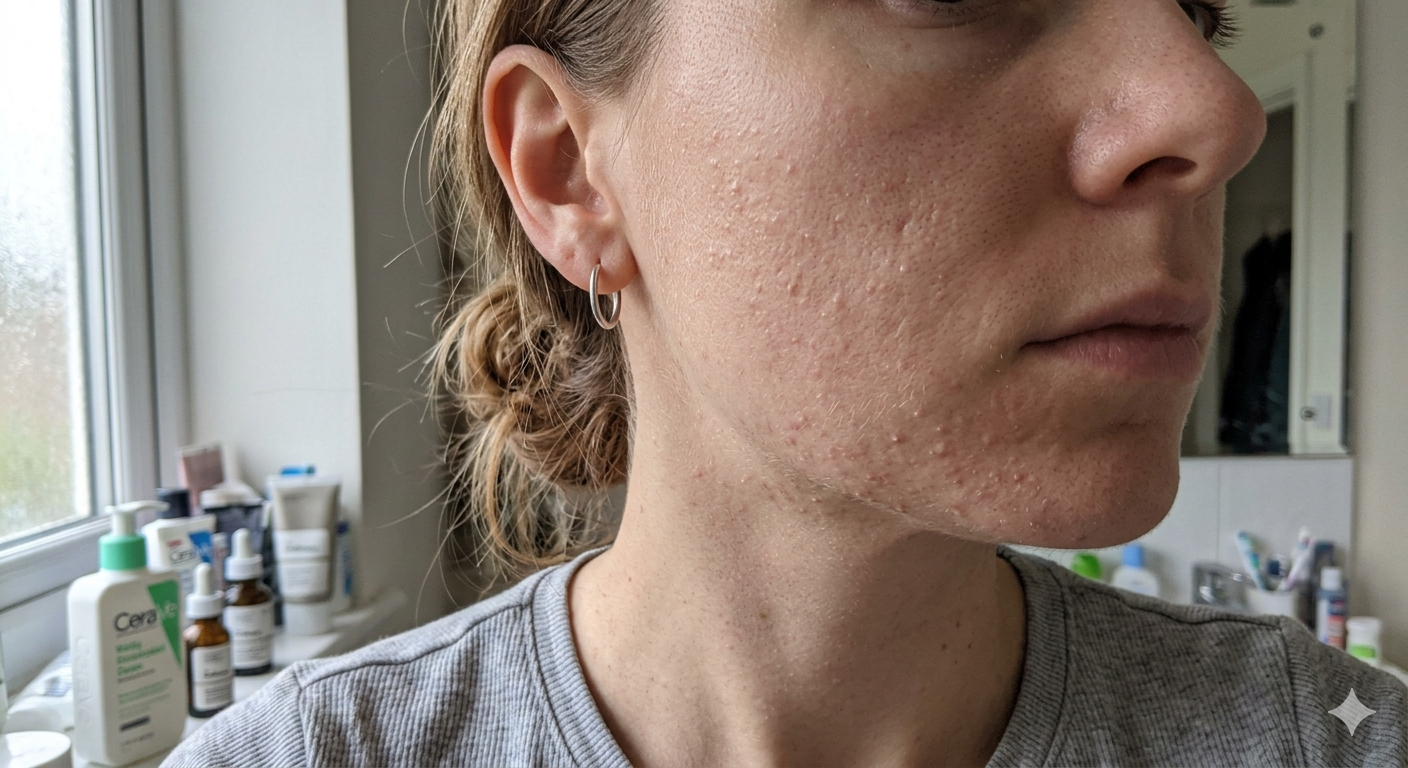
Have you ever run your fingers across your face and felt tiny, raised bumps that look like little white seeds trapped under the skin? They don't hurt, they don't form a pop-able whitehead, and they completely ruin the smooth application of your makeup.
When it comes to these stubborn, non-inflammatory bumps, most people confuse two completely different skin conditions: milia and closed comedones (clogged pores).
Because their root causes are entirely unrelated, using a standard pore-clearing routine on milia—or a heavy eye cream on closed comedones will only leave your skin frustrated and textured.To get a baseline understanding of what you are dealing with, read our core guide: What Do Closed Comedones Look Like? The Visual Guide to Clogged Pores. Now, let's dive into the ultimate texture guide to decode closed comedones vs. milia, how to tell them apart, and how to safely treat each one.
The Biological Showdown: Keratin vs. Sebum
To understand milia vs closed comedones, we have to look at the substance trapped beneath the surface. They are made of entirely different biological materials.
- Milia (The Keratin Pockets): Milia are tiny, harmless cysts that form when dead skin flakes (keratin) become trapped just underneath the epidermis. Instead of sloughing off, this hardened protein gets rolled up into a tiny, firm ball. It has nothing to do with your oil glands or bacteria.
- Closed Comedones (The Trapped Sebum): Closed comedones are classic clogged pores. They form when excess oil (sebum) combined with dead skin cells suffocates inside a hair follicle, and a layer of skin seals it off. It is an early stage of acne.
 The Comparison Guide: How Do They Feel and Look?
If you are staring at the mirror trying to figure out if it's milia or closed comedones, pay close attention to the location, the texture, and how they behave when touched.
1. The Texture & Firmness Test
Milia: Feel like tiny, hard, rolling beads under the skin. If you push on them, they do not give way or flatten—they remain completely firm.
Closed Comedones: Feel more like a raised, slightly soft, or textured bump. They are part of the skin tissue and don't feel like a separate "loose bead."
2. The Location Test
Milia: Heavily favor zones where the skin is delicate and thin, most notably around the eyes, on the eyelids, and across the upper cheekbones.
Closed Comedones: Typically cluster in oilier regions of the face. Depending on where your texture is shifting, explore our localized blueprints for Forehead Closed Comedones or Closed Comedones Around the Mouth and Chin.
3. The Extraction Test (The Golden Rule)
Milia: Cannot be squeezed out. Because they are trapped under a complete layer of skin without a natural pore opening, squeezing them will only bruise your face and cause scarring.
Closed Comedones: While squeezing is not recommended, they technically have a follicle structure. If treated properly, the hardened sebum plug can eventually be dissolved or extracted.
The Smarter Routine to Dissolve Closed Comedones Gently
If your texture test reveals that your bumps are indeed closed comedones, you are dealing with trapped sebum. Because these plugs are sealed off by a thin layer of skin, aggressive scrubs will only tear your barrier. Instead, you need a coordinated, non-stripping approach to dissolve the oil and smooth out the texture:
Step 1: Cleanse Daily with 1.8% Encapsulated BHA
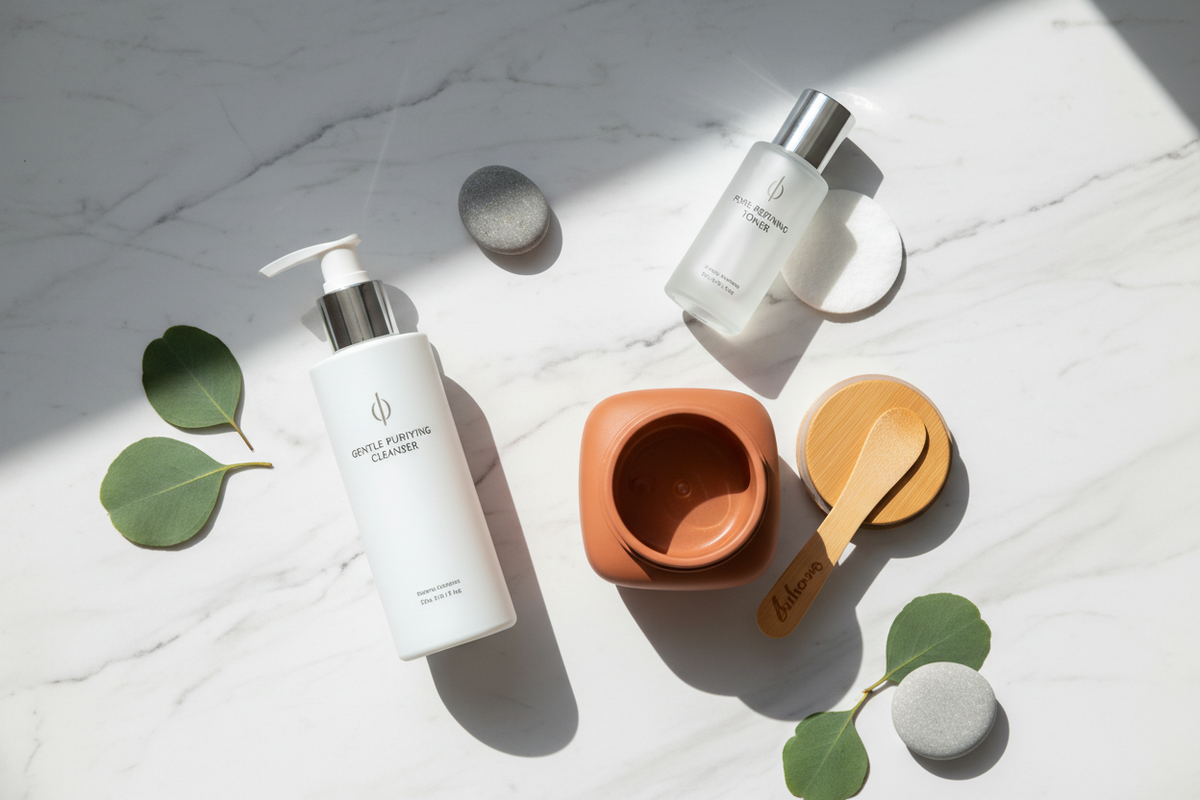
Since sebum is made of oil, regular face washes struggle to break past the plug. Washing daily with the Dr.Leo Salicylic Acid Cleanser allows oil-soluble Salicylic Acid to slide seamlessly into the pore lining. This slow-release formula melts the dead skin and hardened sebum glue from the inside out without irritating the skin surface.
Step 2: Clear Excess Shine with a Volcanic Clay Stick
To stop new closed comedones from forming across texturized zones like your forehead or cheeks, you must control excess oil production. Incorporating the Dr.Leo Volcanic Clay Cleanser Stick 2-3 times a week allows you to draw out trapped impurities and mattify oily patches, cutting off the core fuel supply that builds whiteheads.
Step 3: Soothe the Barrier with 7X Centella Repair
Exfoliating away stubborn texturized bumps can sometimes leave the skin surface temporarily vulnerable. To prevent compensatory oil production or redness, always follow up your routine with the Dr.Leo 7X Centella Calming Series. Applying the lightweight Dr.Leo Centella Calming Cream delivers immediate anti-inflammatory support, cooling the barrier and keeping your skin texture beautifully plump and smooth.
How to Deal with Milia
Since milia are made of hardened keratin trapped under a closed pocket of skin, traditional acne washes will not dissolve them.
- Professional Removal: The safest and fastest way to get rid of a prominent milium is through a professional in-clinic extraction, where a dermatologist uses a sterile needle to create a tiny opening and gently lift the keratin bead out.
- Gentle Surface Retinoids: Over time, consistent use of topical retinoids can speed up cellular turnover, helping to slowly push deeper milia to the surface where they can naturally shed away.
Smooth Out Your Skin Texture
Stop guessing and treating your face blindly. Distinguishing between milia vs. closed comedones is the essential first step to choosing the right skincare tool for the job. Once you identify the culprit, you can stop fighting your skin texture and start healing it safely.
If you suspect your bumps aren't hard keratin beads but are highly itchy and uniform instead, cross-check your symptoms with our other diagnostic guide: Closed Comedones vs. Fungal Acne: How to Tell the Difference to keep your routine perfectly on track!