The Ultimate Hormonal Acne Map: Why You Break Out on Your Chin & Jawline
Have you noticed a frustrating pattern in your skin? Just as your cycle shifts, painful, deep bumps start appearing in the exact same spots—usually around your lower face. This isn't a coincidence; it’s a biological roadmap.
Understanding hormonal breakouts starts with knowing their "zip code." Unlike standard blackheads, hormonal acne ;has a specific preference for where it develops. In this guide, we’ll decode the hormonal acne map and explain exactly why these breakout areas keep flaring up.
Where Do Hormonal Breakouts Occur?
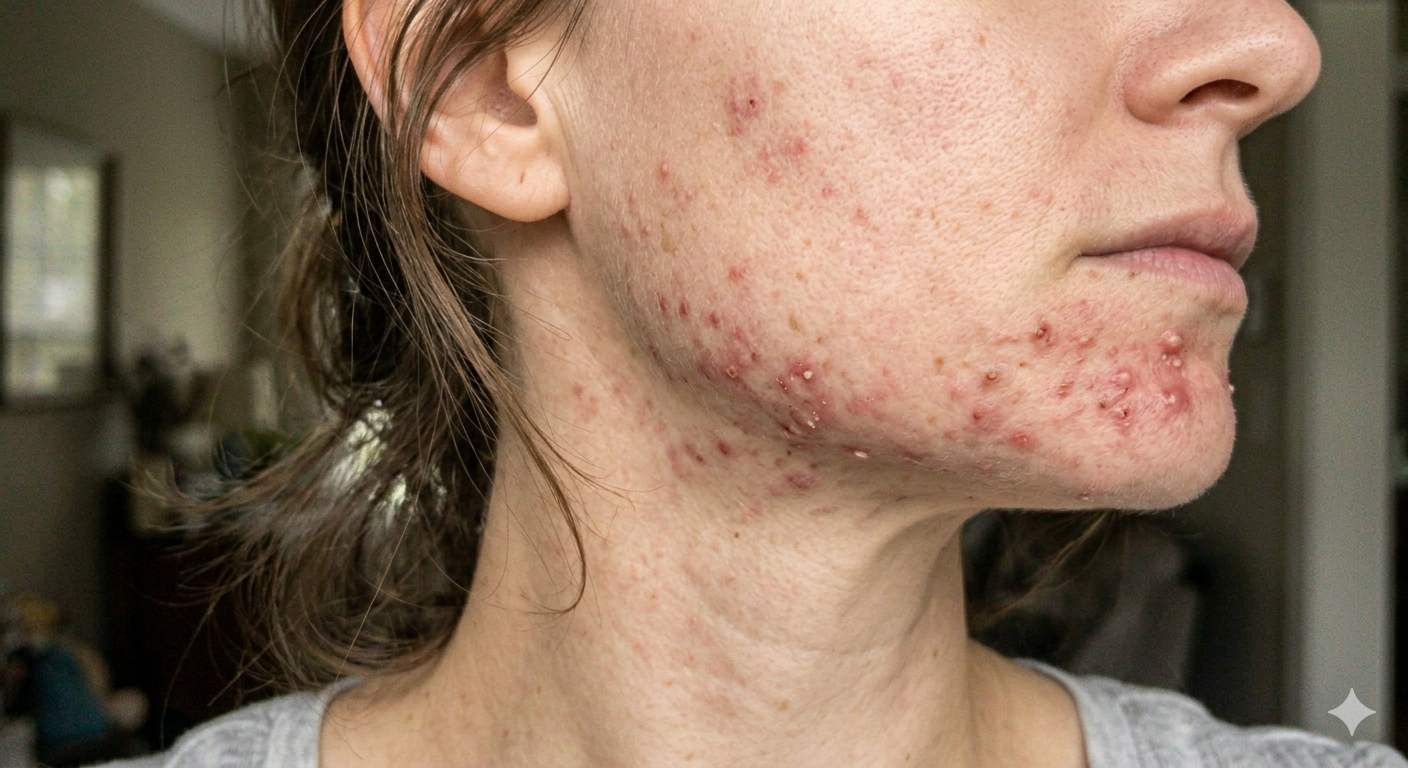
If you are struggling with hormonal breakouts on your face, you’ve likely noticed they don't follow the "T-zone" rules of your teenage years. In adults, hormones typically target the U-zone.
1. The Chin and Jawline: The "Hormonal Heartland"
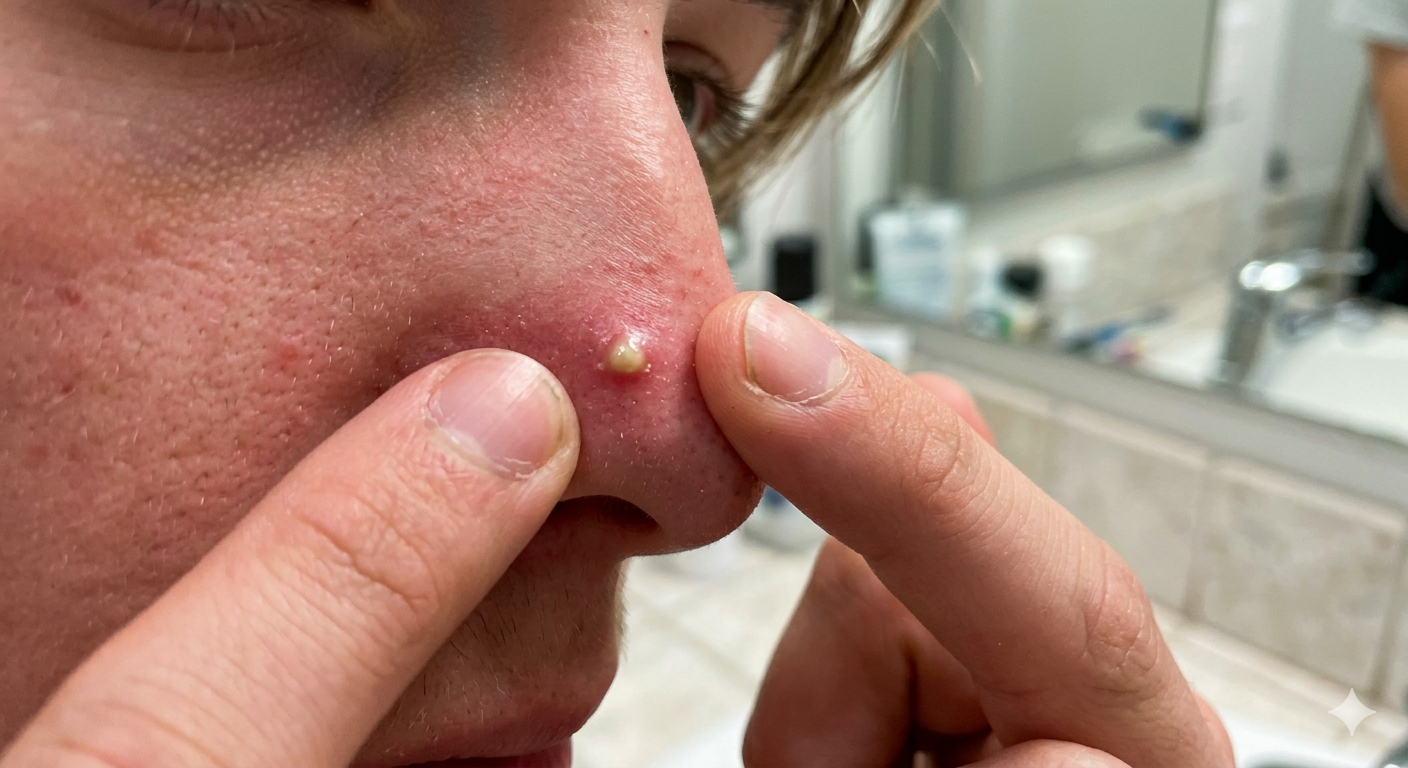
This is the most common area for hormonal fluctuations to manifest. The oil glands in your chin and jawline are highly sensitive to androgens (male hormones). When these hormones spike, your glands overproduce sebum, leading to the deep, painful cysts we often call chin breakouts.
💡 Struggling with localized bumps on your lower lip or chin? For a dedicated tactical plan on managing this specific zone, read our focused guide on Chin Breakouts & Hormones: How to Clear Stubborn Bumps for Good

2. The Jawline and Neck: The Extension of Inflammation
When hormonal issues are more intense, the inflammation often spills over from the jawline down to the neck. These are often the most stubborn to treat because the skin on the neck is thinner and heals more slowly.
If your breakouts are creeping downward along your bone structure, you can learn more about managing this area in our deep dive on Breakouts on Your Jawline and Neck: The Hormonal Link You Can't Ignore.
3. The Lower Cheeks: The Overlooked Zone
While forehead acne is usually related to hair products or sweat, breakouts on the lower cheeks often link back to the same hormonal triggers affecting your jawline.
🔍Is it friction from your phone, or is it hormonal? Before you misdiagnose your skin, check out our diagnostic checklist to find out:Are Your Cheek Breakouts Actually Hormonal?
Why Do They Occur in These Specific Areas?
You might wonder: Why don't my hormones cause breakouts on my forehead? The answer lies in receptor density. The hair follicles and sebaceous glands in the lower third of the face have a higher concentration of hormone receptors. When your body experiences a shift—such as during your menstrual cycle, pregnancy, or high-stress periods—these specific receptors "catch" the signal, causing the pore to clog and become inflamed.
Expert Note: This is why your standard "spot treatment" might fail. Because thesebreakouts are deep and driven by internal signals, you need ingredients that can penetrate the pore and calm inflammation simultaneously
How to Manage Your Hormonal Breakout Areas
Managing these specific areas requires a strategic approach rather than a "scrub it away" mentality.
Targeted Pore Clearing: Use an encapsulated salicylic acid to dive deep into the U-zone pores without irritating the surface.
The "Sulfur Secret": For those deep, red bumps on the chin, 10% colloidal sulfur acts as a powerful anti-inflammatory, drying out the blemish while soothing the skin.
Barrier Support: Since hormonal acne is often inflammatory, using Niacinamide helps repair the skin barrier and prevents the dreaded "post-acne marks."
Building Your Clear Skin Routine
Knowing where hormonal breakouts occur is only the first step. To truly clear your skin, you must address the unique needs of each zone. For the chin and jawline, focus on intensive, non-stripping overnight treatments rather than "over-cleansing," which can strip the skin and make hormonal inflammation worse.
🛒 Target Deep Hormonal Bumps Overnight
You can fast-track your U-zone recovery with our newly upgraded Dr.Leo Acne Drying Lotion Plus (20 mL). Formulated specifically to handle deep, painful congestion without drying out the surrounding skin texture, this overnight spot treatment features 10% Colloidal Sulfur to rapidly calm throbbing inflammation and flatten stubborn bumps. Powered by a time-released 1.8% Encapsulated Salicylic Acid and 4% Niacinamide, it deep-cleans the lower-face hormone receptors and actively prevents post-acne dark marks within 7 days. Now available in a 2X larger size for continuous clear skin support!