Retinol vs. Salicylic Acid for Closed Comedones: Which Is Better?
If you're dealing with persistent closed comedones, blackheads, or clogged pores, you may be wondering whether retinol or salicylic acid is the better choice. Both ingredients can help address acne-related concerns, but they work in different ways.
Salicylic acid is an oil-soluble beta hydroxy acid (BHA) that helps exfoliate within pore openings and address the buildup associated with clogged pores. Retinol is a vitamin A derivative that supports normal skin cell turnover and may help manage comedonal acne over time.
The right choice depends on your primary skin concern, the product formulation, and how well your skin tolerates each ingredient. This guide compares retinol and salicylic acid, explains their roles in closed comedones, and shows how to build a balanced skincare routine.
Key Takeaways
- Salicylic acid: A relevant option for oily, congestion-prone skin because it helps exfoliate within pore openings.
- Retinol: Supports skin cell turnover and may help with longer-term management of comedonal acne.
- Which is better? Neither ingredient is universally better. Your choice depends on your skin concerns, tolerance, and skincare routine.
- Can you use both? Some people can incorporate both ingredients, but introducing them gradually can help reduce irritation.
- Don't forget moisturizing: A suitable moisturizer helps maintain hydration and support skin comfort when using active ingredients.
How Salicylic Acid and Retinol Work on Clogged Pores
Although salicylic acid and retinol are both used in acne-focused skincare, they address clogged pores through different mechanisms. Understanding these differences can help you decide which ingredient is more appropriate for your current skin concerns.
Salicylic Acid (BHA): Pore-Level Exfoliation
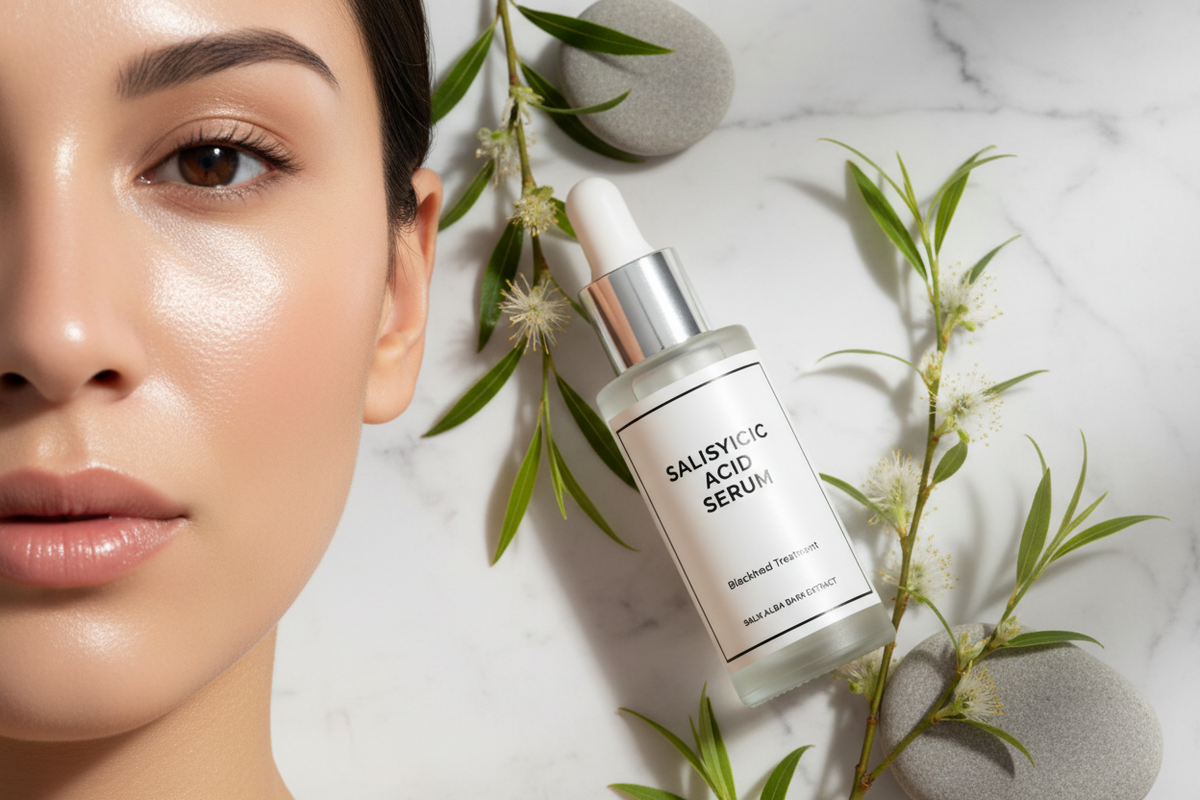
Salicylic acid is an oil-soluble beta hydroxy acid (BHA) that helps exfoliate within pore openings. It addresses the buildup of oil and dead skin cells associated with clogged pores, making it particularly relevant for oily skin, blackheads, whiteheads, and closed comedones.
Retinol (Vitamin A): Supporting Follicular Cell Turnover
Retinol is a vitamin A derivative that works differently from salicylic acid. It supports normal skin cell turnover and may help regulate the buildup of dead skin cells within hair follicles over time.
Retinoids are well established in acne treatment, particularly for comedonal acne. However, cosmetic retinol products should not be assumed to have the same strength or clinical evidence as prescription retinoids such as adapalene or tretinoin.
Salicylic Acid: Targeting Clogged Pores
If your primary concern is existing blackheads, whiteheads, or closed comedones, salicylic acid may be a practical ingredient to consider.
Because it is oil-soluble, salicylic acid can work within pore openings and help exfoliate the buildup associated with congestion. With appropriate use, it may improve the appearance of clogged pores and uneven skin texture over time.
Potential benefits of salicylic acid include:
- Helping exfoliate within pore openings.
- Addressing the buildup associated with blackheads and whiteheads.
- Supporting smoother-looking skin over time.
- Providing an ingredient option for oily and congestion-prone skin.
However, results depend on the product formulation, concentration, contact time, frequency of use, and individual skin tolerance. A rinse-off cleanser and a leave-on treatment do not necessarily deliver the same level of exposure.
Retinol: Supporting Healthier Follicular Turnover
Retinol takes a different approach to managing clogged pores. Rather than functioning as a direct exfoliating acid, it supports normal skin cell turnover and helps regulate the shedding of cells within hair follicles.
Retinoids are commonly used in acne treatment because they can help prevent the formation of clogged follicles and manage comedonal acne. Cosmetic retinol may offer a more gradual approach, so consistent use and tolerability are important.
Potential benefits of retinol include:
- Supporting normal skin cell turnover.
- Helping improve the appearance of uneven skin texture.
- Supporting longer-term management of comedonal acne.
- Complementing a skincare routine focused on recurring clogged pores.
Retinol can cause dryness, peeling, redness, or irritation, particularly when first introduced. Start gradually and follow the directions for the specific product you use.
Retinol vs. Salicylic Acid: The Head-to-Head Comparison
Both ingredients can be useful for acne-prone skin, but their differences matter when choosing a treatment approach.
| Feature | Salicylic Acid (BHA) | Retinol (Vitamin A) |
|---|---|---|
| Main role | Helps exfoliate within pore openings and address pore buildup. | Supports normal skin cell turnover. |
| Best fit | Oily skin, blackheads, whiteheads, and clogged pores. | Longer-term management of comedonal acne and uneven texture. |
| How it works | Oil-soluble exfoliation within pore openings. | Supports normal shedding of cells within hair follicles. |
| Expected timeline | Improvement is gradual and depends on the formula and frequency of use. | Consistent use over several weeks or months may be needed. |
| Possible irritation | Dryness, stinging, or irritation, especially with overuse. | Dryness, peeling, redness, or irritation, particularly during early use. |
| Common product formats | Rinse-off cleansers and leave-on treatments. | Serums, creams, and other leave-on treatments. |
| Sun protection | Daily broad-spectrum sunscreen is recommended as part of a skincare routine. | Daily broad-spectrum sunscreen is especially important when using retinoids. |
Which Is Better for Closed Comedones?
There is no single ingredient that is best for everyone with closed comedones. The more suitable option depends on your skin condition, primary concern, and tolerance.
Consider Salicylic Acid If:
- Your skin tends to become oily or congested.
- You are concerned about blackheads, whiteheads, or clogged pores.
- You want to incorporate a BHA product into your cleansing or treatment routine.
Consider Retinol If:
- You are looking for a longer-term approach to managing comedonal acne.
- You want to support normal skin cell turnover.
- You can introduce a retinol product gradually and maintain a consistent routine.
For persistent or more significant comedonal acne, a dermatologist may recommend an evidence-based topical retinoid such as adapalene or tretinoin. These treatments have a different evidence base from cosmetic retinol products.
Does Retinol Help With Closed Comedones?
Retinoids can help manage closed comedones by supporting normal skin cell turnover within hair follicles and reducing the formation of clogged pores. They are an established option in acne treatment, particularly for comedonal acne.
However, it is important to distinguish between cosmetic retinol and prescription retinoids. Cosmetic retinol is generally less potent, and its results should not be assumed to match those of prescription treatments.
If you are considering retinol for closed comedones, choose a formula appropriate for your experience and skin tolerance. Introduce it gradually and avoid combining too many active ingredients at once.
What Should You Look for in a Retinol for Closed Comedones?
When choosing a retinol product, the strongest formula is not necessarily the best choice. A product that suits your skin and can be used consistently may be more practical than one that causes persistent irritation.
Consider these factors before choosing a product:
- Formulation: Look for a product with clear ingredient information and usage directions.
- Concentration: Choose a strength appropriate for your experience and skin tolerance.
- Texture: Consider whether the formula fits your skin type and existing routine.
- Compatibility: Review the other active ingredients you already use to avoid unnecessary irritation.
- Consistency: Choose a routine you can maintain rather than frequently switching products.
If you have persistent or significant acne, consult a dermatologist about whether a prescription retinoid or another treatment would be more appropriate.
How Long Does Retinol Take to Help With Closed Comedones?
Retinol does not usually produce an overnight change in closed comedones. Improvement is gradual, and several weeks to months of consistent use may be needed before you can properly evaluate the results.
The timeline depends on the specific product, concentration, frequency of use, and individual skin response. Prescription retinoid treatments may also require around 12 weeks or longer for a meaningful assessment.
Rather than increasing the frequency too quickly, follow the product directions and monitor your skin's response. Persistent irritation is a reason to reassess your routine rather than simply pushing through.
Can You Use Retinol and Salicylic Acid Together?
Some people can incorporate both ingredients into the same overall skincare routine. However, using them too frequently or layering them without considering skin tolerance may increase the risk of dryness, peeling, and irritation.
If you are new to either ingredient, introduce one at a time. Once your skin has adjusted, you may consider using them on separate days rather than applying both in the same routine.
1. Introduce One Active Ingredient at a Time
Start with one ingredient and give your skin time to adjust before introducing another. This makes it easier to identify which product is causing irritation if your skin reacts.
2. Choose a Product Format That Fits Your Skin
Salicylic acid is available in both rinse-off cleansers and leave-on treatments. A cleanser offers a shorter contact time, while a leave-on product remains on the skin longer.
Choose a formula based on your skin's sensitivity, your existing routine, and the product's directions. Avoid assuming that a cleanser and a leave-on treatment are interchangeable.
3. Support Your Skin Barrier With Moisturizer
Whether you use salicylic acid, retinol, or both on different days, maintaining skin hydration is an important part of a balanced routine.
Dr. Leo CICA Panthenol Jelly Moisturizer is a lightweight moisturizing option designed to help hydrate the skin, soothe visible redness, and support the skin barrier.
A suitable moisturizer can help maintain skin comfort, but it does not replace a treatment specifically intended for clogged pores.
Explore Dr. Leo CICA Panthenol Jelly Moisturizer

Building a Balanced Skincare Routine for Clogged Pores
Choosing the right active ingredient is only one part of managing clogged pores. Your overall routine should also include suitable cleansing, moisturizing, and sun protection.
Step 1: Start With a Suitable Cleanser
A cleanser helps remove everyday oil, dirt, makeup, and residue. If you are interested in introducing salicylic acid into your routine, choose a cleanser that actually contains salicylic acid and follow its product directions.
Dr. Leo Polyamino Acid Purifying Facial Cleanser is an option for everyday cleansing. It is designed to cleanse the skin gently while helping maintain hydration. It should be considered a basic cleansing step, not a substitute for a salicylic acid treatment.
Explore Dr. Leo Polyamino Acid Purifying Facial Cleanser

Step 2: Consider a Clay Cleansing Product for Excess Oil
If excess surface oil is also a concern, a clay-based cleansing product may be an optional addition to your routine.
Dr. Leo Volcano Cleansing Clay Stick contains kaolin, activated charcoal, and volcanic clay. It is designed to help cleanse oily areas and manage excess surface oil.
A clay product can complement your cleansing routine, but it should not be treated as a direct replacement for salicylic acid or retinoid treatments for closed comedones.
Explore Dr. Leo Volcano Cleansing Clay Stick

Step 3: Moisturize and Maintain Skin Comfort
After cleansing or using active ingredients, apply a suitable moisturizer to help maintain hydration and support the skin barrier.
Choose a formula that fits your skin type and the rest of your routine. If you experience persistent dryness or irritation, simplify your routine and reassess how frequently you are using active ingredients.
Step 4: Apply Broad-Spectrum Sunscreen During the Day
Daily broad-spectrum sunscreen is an important part of a skincare routine, especially when using exfoliating acids or retinoids. Follow the sunscreen's directions and reapply as recommended.
Final Thoughts: Retinol or Salicylic Acid?
Salicylic acid and retinol can both play a role in managing clogged pores, but they are not interchangeable.
Salicylic acid may be a more straightforward option for oily, congestion-prone skin because it helps exfoliate within pore openings. Retinol supports normal skin cell turnover and may be useful as part of a longer-term approach to managing comedonal acne.
The right choice depends on your skin concerns, product formulation, and tolerance. A consistent routine that includes suitable cleansing, moisturizing, and sun protection can help support your overall skincare goals.