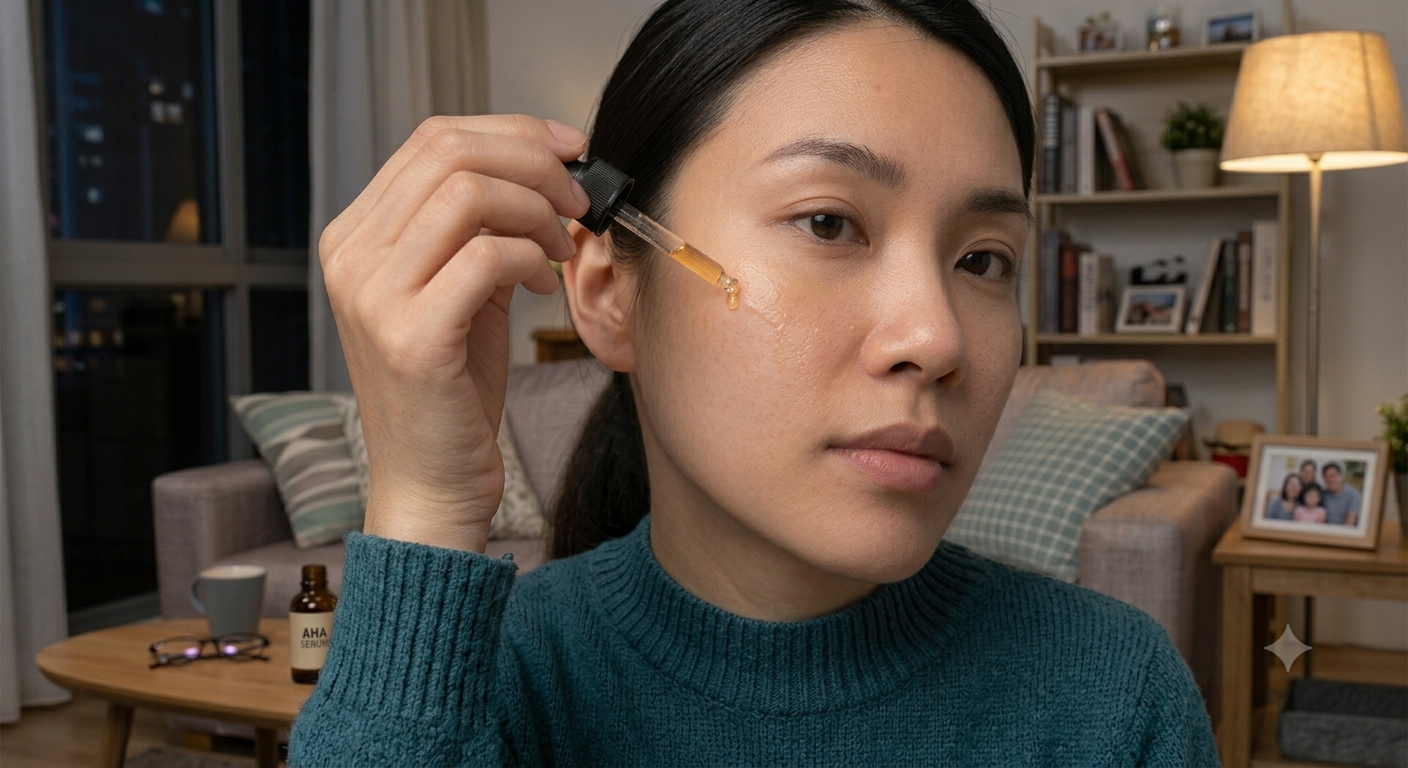
Glycolic Acid vs. Azelaic Acid for Smooth Skin: Surface Polishing vs. Redness Relief
When dealing with closed comedones, clogged pores, and uneven skin texture, choosing the right active ingredient can be confusing. Glycolic Acid and Azelaic Acid are both popular skincare ingredients, but they solve different skin concerns.
So, which one is better: Glycolic Acid or Azelaic Acid? The answer depends on your main concern. Glycolic Acid is better suited for rough texture, dullness, and surface buildup, while Azelaic Acid is often preferred for redness, post-acne marks, and sensitive skin.
Understanding how each ingredient works can help you choose the right treatment without overwhelming your skin barrier.
Glycolic Acid vs Azelaic Acid: Key Differences
| Glycolic Acid | Azelaic Acid | |
| Main purpose | Surface exfoliation | Redness & pigment control |
| Best for | Rough texture, dull skin | Dark marks, sensitive skin |
| Closed comedones | Helps remove surface buildup | Helps calm inflammation around clogged pores |
| Skin tolerance | More exfoliating | Usually gentler |
The Surface Polisher: Glycolic Acid (AHA)
Glycolic Acid is an Alpha Hydroxy Acid (AHA). Unlike oil-soluble BHA, Glycolic Acid is entirely water-soluble and has the smallest molecular size of all AHAs. This ultra-small molecular structure allows it to penetrate the very top layers of your skin quickly and efficiently.
Glycolic Acid➡️Dissolves Surface "Glue"➡️Sweeps Away Dead Cells➡️ Polishes Surface Texture
1.How It Works
Glycolic Acid acts as a biological surface sweep. It dissolves the microscopic chemical bonds holding dry, dead skin cells to the surface of your face. By removing accumulated dead skin cells, glycolic acid can gradually improve rough texture and help skin appear smoother and brighter.
2.Why It’s Great for Post-Comedone Texture
If your closed comedones have left your skin looking dry, uneven, or "patchy," Glycolic Acid works like a gentle liquid polish to restore a brilliant, light-reflecting clear skin texture.
The Calm-Down Specialist: Azelaic Acid
Azelaic Acid is a naturally occurring dicarboxylic acid. It operates on an entirely different biological mechanism than traditional exfoliating acids. Instead of focusing heavily on peeling the skin, Azelaic Acid acts as a powerful soothing agent and pigment regulator.
Azelaic Acid➡️Calms Overactive Melanocytes➡️Neutralizes Redness➡️Fades Dark Marks (PIH)
How It Works
Azelaic Acid is a potent antioxidant and tyrosinase inhibitor. It targets overactive melanocytes (the cells responsible for producing post-acne dark spots) and quiet them down. Simultaneously, it works to restrict dilated microscopic blood vessels beneath the skin, rapidly reducing vascular redness.
For closed comedone-prone skin, Azelaic Acid can also help reduce factors that contribute to congestion by supporting a healthier skin environment and calming irritation around blocked pores.
Why It’s Great for Post-Comedone Texture
If your closed comedones frequently turn red or leave behind stubborn dark red and purple spots, Azelaic Acid is your holy grail. It neutralizes persistent post-acne redness while preventing deep scar discoloration. Furthermore, it is exceptionally gentle, making it safe for hyper-sensitive or rosacea-prone skin.
Glycolic Acid vs. Azelaic Acid: Which One Do You Need?
To determine which finishing active is best suited for your current post-congestion recovery phase, consult this quick comparison guide:
| Feature | Glycolic Acid (AHA) | Azelaic Acid |
| Primary Focus | Intensive surface exfoliation and skin polishing. | Redness reduction, vascular calming, and dark spot (PIH) fading. |
| Texture Benefit | Erases rough patches, dry flakes, and surface dullness. | Flattens lingering micro-swelling and smooths redness. |
| Pigmentation Benefit | Gradually fades dark spots by peeling surface cells. | Directly stops melanin production to fade dark marks (PIH) fast. |
| Skin Type Fit | Best for normal, dry, or resilient combination skin. | Best for highly sensitive, reactive, or redness-prone skin. |
| Barrier Impact | Can sting if overused; requires a strong, intact moisture barrier. | Well-tolerated; calm and soothing on compromised skin. |
| Closed Comedones | Helps improve surface buildup | Helps calm congestion-related redness | |

The Cohesive Routine: How to Fit Them In
Choosing between glycolic acid and azelaic acid does not mean you need to use stronger and stronger actives. The best routine balances targeted treatment with barrier protection.
1.The Smooth Surface Routine(Texture Focus)
If your primary struggle is rough, dry texture, use a gentle Glycolic Acid treatment once or twice a week on nights when you do not use leave-on BHA or Retinol. This prevents over-exfoliation while ensuring both deep-pore and surface concerns are addressed.
2.The Fade and Calm Routine(Redness Focus)
If your main struggle is persistent red marks and post-blemish discoloration, apply a thin layer of an Azelaic Acid cream or serum every morning after cleansing. Azelaic Acid pairs beautifully with morning sunscreens and works quietly during the day to neutralize redness.
3. Non-Negotiable Recovery Base
Whenever you introduce finishing acids, protect your moisture barrier with a weightless, non-comedogenic hydrator like the Dr.Leo CICA Panthenol Hydro-Gel Soothing Moisturizer. Its oil-free microcapsule formula floods post-exfoliation skin with Centella Asiatica and Panthenol to lock in moisture without clogging refreshed pores.
💡 For Dry, Damaged Barrier Protection:
If surface polishing leaves your skin feeling tight or peeling, pause all active acids and rebuild your lipid barrier using our soothing Dr.Leo 7X Ceramide Barrier Repair Cream
Complete the Healing Process
Clearing a closed comedone is only half the battle; helping your skin barrier recover gracefully is what delivers that coveted, glassy smoothness. By choosing Glycolic Acid to buff away dry surface flakes, or Azelaic Acid to quiet post-inflammatory redness, you give your skin the exact finishing touch it needs to look and feel completely restored.
Now that you understand the roles of Salicylic Acid, Retinol, Glycolic Acid, and Azelaic Acid, you might wonder how to organize all of these powerful ingredients into a single, cohesive weekly schedule without overwhelming your skin barrier.
Explore Our Advanced Core Playbooks for This Section:
To master the exact science of cycling and layering these potent ingredients safely, dive into our master blueprint: The Ultimate Acid Layering Guide: How to Clear Closed Comedones Safely.
To review the undisputed king of deep-pore clearing, revisit Salicylic Acid for Closed Comedones: Why It’s the Gold Standard.
To weigh deep oil dissolving against rapid cell turnover, revisit Retinol vs. Salicylic Acid for Clogged Pores: Which Wins?
To review the visual framework for identifying these bumps, revisit What Do Closed Comedones Look Like? The Visual Guide to Clogged Pores.