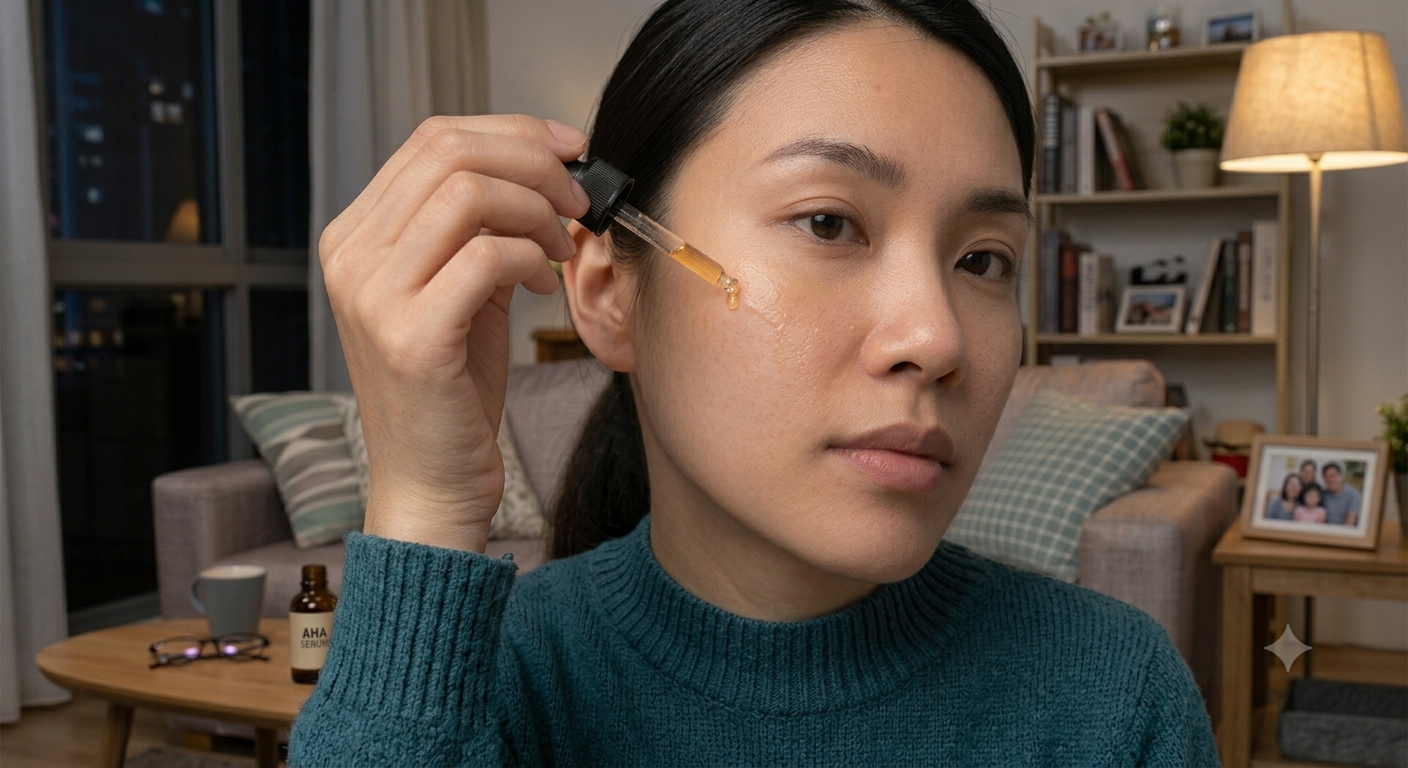
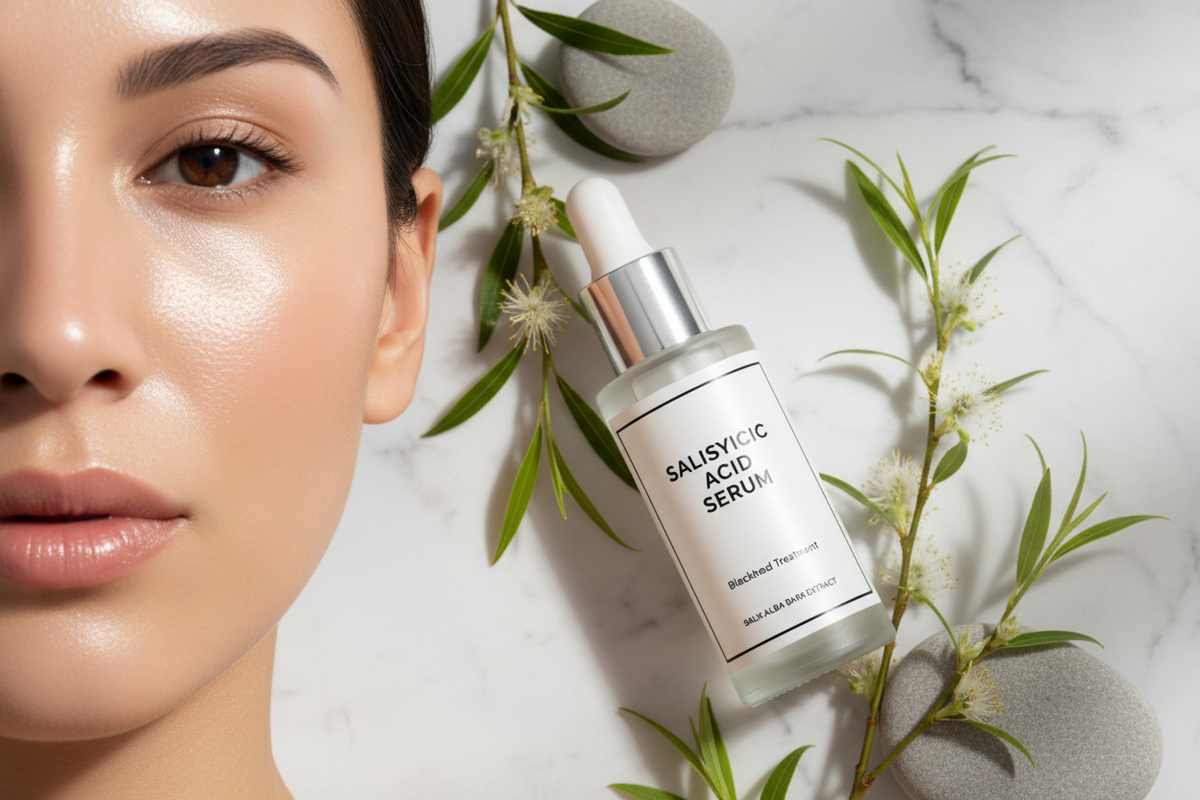
Retinol vs. Salicylic Acid for Clogged Pores: Which Wins?
When you are staring at a cluster of stubborn, sand-like bumps across your forehead, cheeks, or jawline under bright lighting, your immediate instinct is to find the strongest active ingredients available on the market. You want them gone, and you want them gone fast. To understand the root formation of these hidden openings, start with our foundational guide: What Are Clogged Pores? A Beginner’s Guide to Skin Congestion
In your search for the ultimate skin-smoothing solution, you will inevitably run into two skincare heavyweights: Salicylic Acid (BHA) and Retinol.
Both ingredients are legendary for their ability to treat clogged pores and refine uneven skin texture. But because they work on completely different biological wavelengths, applying them blindly—or worse, layering them together in a panic—is a fast track to a damaged, peeling skin barrier.
Let's put these two powerhouse ingredients head-to-head to see how they actually work, and help you determine which one wins the battle for your specific skin type.
How Salicylic Acid and Retinol Work on Clogged Pores
To choose the best treatment for closed comedones, you have to understand that Salicylic Acid and Retinol treat skin congestion from opposite directions.
Salicylic Acid (BHA)➡️Pore-Level Exfoliation
Helps exfoliate excess oil and dead skin cell buildup within clogged pores, making it especially useful for oily skin, blackheads, and closed comedones.
Retinol (Vitamin A)➡️Follicular Cell Regulation
Helps normalize how skin cells shed inside hair follicles, supporting clearer pores and helping prevent new comedones from forming over time.
Salicylic Acid: Targeting Clogged Pores
Salicylic acid is a beta-hydroxy acid (BHA) that is oil-soluble, allowing it to work within the follicular opening. It helps exfoliate excess oil and dead skin cell buildup, making it particularly useful for congested, oily skin and clogged pores such as blackheads and closed comedones.
For people whose main concern is existing pore congestion, salicylic acid can be a straightforward starting point because it directly targets the buildup contributing to clogged pores.
Retinol: Supporting Healthier Follicular Turnover
Retinol is a vitamin A derivative that works differently from salicylic acid. Rather than directly exfoliating oil and debris from within a clogged pore, retinol helps regulate the way skin cells develop and shed within hair follicles.
This effect can help prevent dead skin cells from accumulating and contributing to new comedones over time, making retinol a useful option for long-term acne and congestion management.
However, retinol generally requires consistent use over several weeks to months, and it can cause dryness, redness, or peeling when introduced too quickly.

Retinol vs. Salicylic Acid: The Head-to-Head Comparison
To help you decide which active is the right match for your current skin concerns, let's break down their profiles:
| Feature | Salicylic Acid (BHA) | Retinol (Vitamin A) |
| Primary Action | Lipid-soluble penetration; dissolves sebum plugs inside the follicle canal. | Cellular signaling; accelerates turnover and stimulates deep collagen renewal. |
| Best Suited For | Active oily congestion, stubborn closed comedones, blackheads, and oily T-zones. | Long-term texture irregularity, post-acne marks, fine lines, and stubborn non-oil bumps. |
| Speed of Action | May improve clogged pores and texture with consistent use | Usually requires several weeks to months of consistent use |
| Sun Sensitivity | Does not inherently make skin photosensitive in the same way as retinoids, but sunscreen is still recommended. | Usually used at night; daily broad-spectrum sunscreen is important. |
| Barrier Impact | Can cause surface dryness if unbuffered; gentle when used in rinse-off washes. | High risk of "retinization" (flaking, redness, and initial peeling phase). |
Can You Use Both Together?
The short answer is yes, but combining them can increase the risk of dryness and irritation, especially if you are new to either ingredient or have sensitive skin. Many people find it easier to introduce them separately or alternate their use rather than starting both at once.
Applying a leave-on Salicylic Acid product and Retinol simultaneously in the exact same PM routine is a recipe for severe flaking, redness, and moisture barrier breakdown. Because both actives require a healthy, calm barrier to perform their magic, overwhelming your skin with both at once will trigger barrier breakdown. Using too many strong actives at once can cause dryness, redness, peeling, and irritation. If your skin becomes irritated, scale back the frequency and focus on gentle cleansing and moisturization until the barrier feels comfortable again.
If you want to harness the power of both, use a targeted rotation method:
1.A Gradual Alternating Approach
If you want to use both ingredients, introduce one active first and allow your skin to adjust. Once your skin is comfortable, you can consider alternating salicylic acid and retinol on different nights rather than applying both in the same routine.
2. The Smart Wash-Off Strategy
Use a clarifying wash like the Dr.Leo Salicylic Acid Cleanser during your daily evening wash. Because it delivers lipid-soluble BHA deep into the pores before being rinsed away, it clear out daily oil accumulation without leaving a harsh acidic residue on your face that conflicts with night-time actives.
3. Support Your Skin Barrier
Whether you use salicylic acid, retinol, or both at different times, maintaining adequate hydration can help minimize dryness and irritation. A lightweight moisturizer such as Dr.Leo CICA Panthenol Hydro-Gel Soothing Moisturizer can be used as a barrier-supporting step.
The Verdict: Which Is Better for Closed Comedones?
If your immediate concern is oily, congested pores and visible closed comedones, salicylic acid may be the more straightforward starting point because it directly targets buildup within clogged pores.
Retinol, however, can be valuable for long-term acne management because retinoids help normalize follicular keratinization and prevent new comedones from forming.
So rather than asking which ingredient "wins," the better question is which one matches your current skin concern, tolerance, and routine.
Choose Your Champion Wisely
Both Retinol and Salicylic Acid are incredible tools for reclaiming a touchably soft, clear skin texture. By understanding how they work under the surface, you can avoid the trap of over-exfoliation and curate a routine that works with your skin's natural biology, rather than against it.
If your skin experiences a temporary flare-up of whiteheads when initiating these actives, read our diagnostic breakdown: Skin Purging vs. Breakouts: Is Your Skincare Working?.
Now that you know how BHA and Retinol perform inside the pore canal, you may find that the surface layer of your skin still needs polishing, or that past clogs have left behind stubborn, dark red marks.
Explore Our Advanced Core Playbooks for This Section:
To refine surface texture while fading lingering redness, read our next head-to-head study: Glycolic Acid vs. Azelaic Acid for Smooth Skin: Surface Polishing vs. Redness Relief.
To master the exact science of cycling and layering these potent ingredients safely, dive into The Ultimate Acid Layering Guide: How to Clear Closed Comedones Safely.