How to Choose the Best Cleanser for Combination Skin
Combination skin can make choosing a cleanser surprisingly difficult.
Your T-zone may become oily and congested by midday, while your cheeks feel normal, dry, or even slightly tight after cleansing. A cleanser that works well for oily skin may leave your cheeks feeling stripped, while a rich, ultra-gentle formula may not feel effective enough for your T-zone.
The goal is not to treat every part of your face differently. It is to find a balanced cleanser that removes excess oil and impurities without unnecessarily drying the rest of your skin.
Here’s what to look for when choosing the best cleanser for combination skin.
What Is Combination Skin?
Combination skin generally means that different areas of your face have different oil and moisture needs.
The most common pattern is:
- An oily forehead, nose, and chin
- Normal or drier cheeks
- Occasional clogged pores or blackheads in the T-zone
- Skin that can feel oily and dry at the same time
This happens because oil production is not necessarily uniform across the face.
Because combination skin has mixed needs, the best cleanser should provide effective cleansing without creating an overly dry or tight feeling.
What Should the Best Cleanser for Combination Skin Do?
A good combination skin cleanser needs to find a middle ground.
1. Remove Excess Oil Without Over-Cleansing
Your T-zone may need help removing excess sebum, sunscreen, makeup residue, and daily impurities.
But stronger cleansing is not automatically better.
If your cleanser leaves your entire face feeling squeaky-clean or tight, it may be removing more than you need. This can make the drier areas of combination skin feel uncomfortable.
Look for a cleanser that effectively removes oil and impurities while still respecting your skin's natural moisture balance.
2. Be Gentle Enough for Drier Areas
The cheeks often need a different level of cleansing than the T-zone.
A good combination skin cleanser should therefore avoid an overly harsh or stripping feel. Ingredients and formulation matter more than simply choosing a product labeled “for oily skin.”
A gentle formula can still provide effective cleansing. The two are not opposites.
3. Help With T-Zone Congestion
If your combination skin also comes with blackheads, clogged pores, or occasional breakouts, a cleanser containing salicylic acid can be worth considering.
Salicylic acid is a type of beta hydroxy acid (BHA) commonly used in skincare because it can help exfoliate inside pores and remove accumulated oil and dead skin cells.
However, you do not necessarily need a strong exfoliating cleanser every time you wash your face.
Your skin's tolerance and the rest of your routine should also be considered.
Which Ingredients Should You Look For?
There is no single ingredient that makes a cleanser perfect for combination skin. Instead, consider the overall formulation.
Salicylic Acid
Salicylic acid can be particularly useful when your combination skin is prone to clogged pores, blackheads, or excess oil in the T-zone.
If congestion is one of your main concerns, a salicylic acid cleanser may offer a more targeted cleansing approach.
Amino Acids
Amino acids are commonly used in gentle cleansing formulas because they can support a milder cleansing experience.
For combination skin, a formula combining cleansing ingredients with skin-conditioning components can help avoid the overly stripped feeling that some stronger cleansers create.
Plant Extracts
Plant extracts can complement a cleanser's overall formulation and provide additional skin-conditioning benefits.
However, don't choose a cleanser based on one trendy ingredient alone. The complete formula and how your skin responds are more important.
Moisture-Balancing Ingredients
Combination skin does not mean that you should avoid hydration.
In fact, maintaining a comfortable moisture balance is particularly important when some areas of your face are oily while others are drier.
The ideal cleanser should remove daily buildup without leaving your skin feeling excessively dry afterward.
Should Combination Skin Use a Salicylic Acid Cleanser?
It can, particularly if your T-zone is oily or prone to clogged pores.
However, combination skin can still be sensitive or easily dehydrated. Using a salicylic acid cleanser too frequently—or combining it with several other exfoliating products—may leave some areas feeling dry or irritated.
If you want to introduce salicylic acid, start according to your skin's tolerance and pay attention to how your cheeks and other drier areas respond.
The key is to use salicylic acid as part of a balanced routine rather than assuming that more exfoliation will produce better results.
How to Choose Between Different Cleanser Types
When shopping for a combination skin cleanser, you may come across several different formulas.
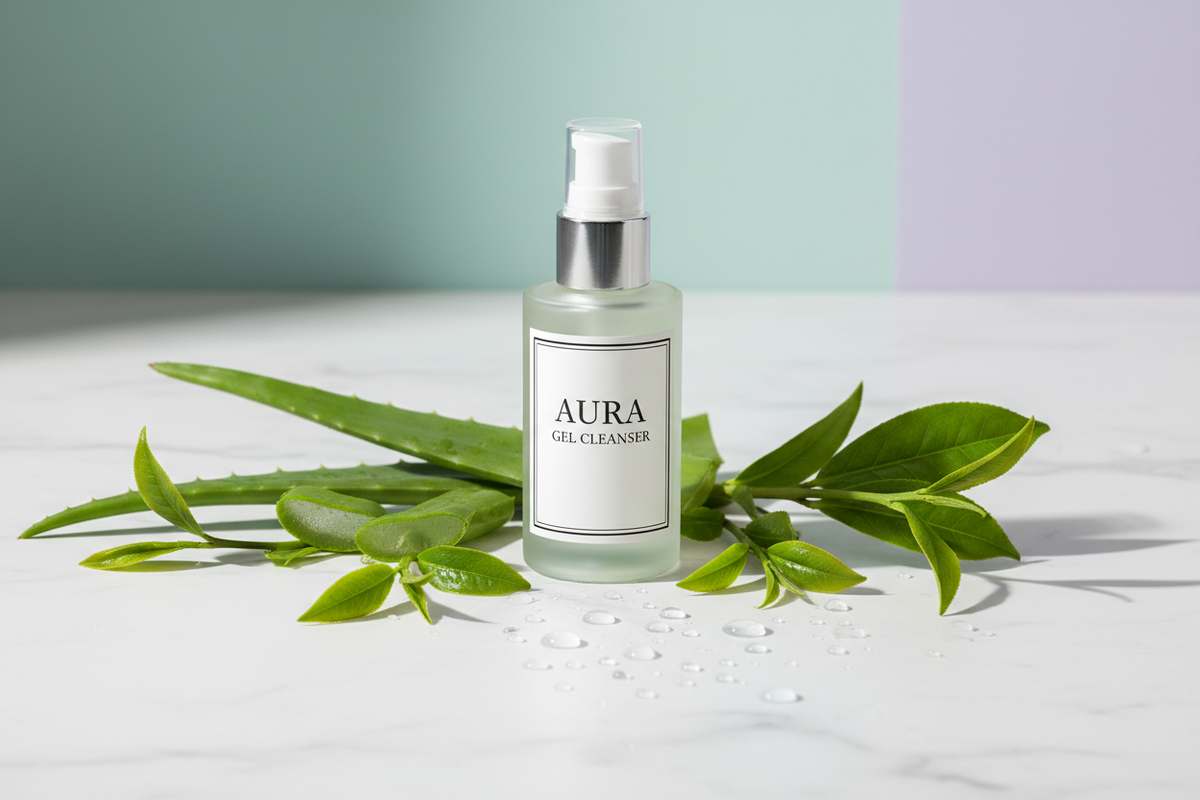
Gel Cleanser
Gel cleansers can be a good option if you prefer a lightweight cleansing experience, especially when your T-zone tends to become oily.
However, a gel texture alone does not determine whether a cleanser is suitable for combination skin. Check the full formulation and how your skin feels after washing.
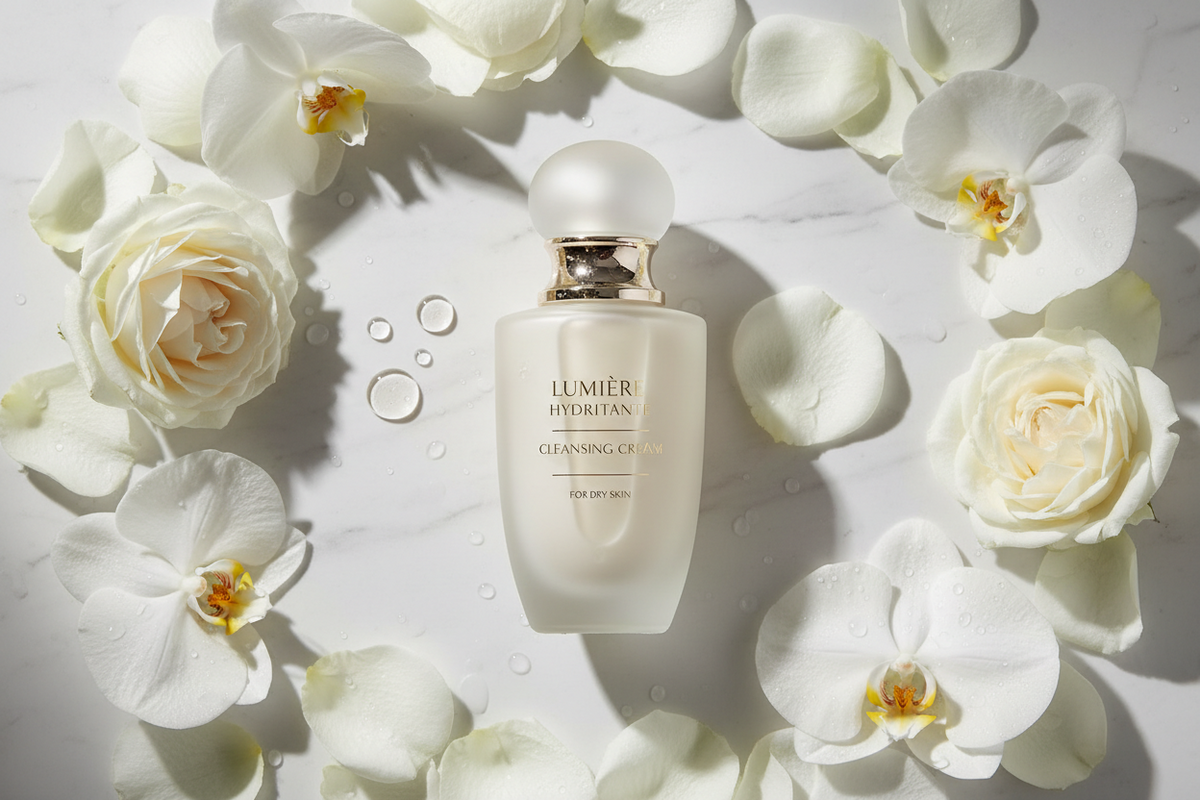
Cream Cleanser
Cream cleansers are often designed around a softer, more moisturizing cleansing experience.
They may appeal to people whose combination skin is more dry than oily, particularly during colder or drier weather.
Foaming Cleanser
Foaming cleansers can provide a strong feeling of removing oil and impurities.
But if your cheeks regularly feel tight after cleansing, consider whether the formula is too drying for your skin.
The best cleanser is not necessarily the one that produces the most foam or gives you the strongest “clean” feeling.
What About Combination Skin With Acne?
Combination skin can also be acne-prone.
For example, you may experience clogged pores and occasional breakouts around your forehead, nose, and chin while your cheeks remain relatively dry.
In this situation, look for a cleanser that addresses excess oil and pore congestion without turning your entire routine into an aggressive acne treatment.
Salicylic acid may be helpful when clogged pores are part of the problem, while a gentle overall formulation can help prevent unnecessary dryness.
Remember that cleanser is only one part of an acne-prone skincare routine. Your leave-on treatments, moisturizer, and cleansing frequency also matter.
Our Pick: A Balanced Cleanser for Combination Skin
For combination skin that needs effective cleansing without an overly harsh feel, Dr.Leo Polyamino Acid Purifying Facial Cleanser is designed around a balanced cleansing approach.
Its jelly-textured formula combines salicylic acid, 8 amino acids, and plant extracts to help remove dirt, oil, and impurities while maintaining the skin's natural moisture balance.
It is also dermatologist-developed for sensitive skin and formulated without harsh chemicals.
The lightweight jelly texture makes it a practical option for daily cleansing, particularly if your skin needs to manage both oiliness and dryness.
Why it may work for combination skin:
- Salicylic acid helps target oil and pore buildup
- 8 amino acids complement the cleansing formula
- Plant extracts support the overall formulation
- Jelly texture provides a lightweight cleansing experience
- Helps remove dirt, oil, and impurities
- Designed to maintain the skin's natural moisture balance
- Dermatologist-developed for sensitive skin
How Often Should You Cleanse Combination Skin?
For most people, cleansing twice a day is not necessarily required if the skin becomes dry or uncomfortable.
A practical approach is to adjust your routine based on how your skin behaves.
In the morning:
Use a gentle cleanse if your skin feels oily or needs refreshing. If your face feels comfortable and dry, you may not need an aggressive cleansing step.
At night:
Cleanse to remove sunscreen, makeup, excess oil, sweat, and daily impurities.
If you use a salicylic acid cleanser, pay attention to whether your cheeks or other dry areas begin to feel tight. If they do, reduce frequency or adjust the rest of your routine.
Common Mistakes When Cleansing Combination Skin
Using an Oily-Skin Cleanser on the Entire Face
If only your T-zone is oily, there is little reason to aggressively cleanse your cheeks as though they were equally oily.
Washing Your Face Too Frequently
More cleansing does not necessarily mean less oil.
Over-cleansing can leave your skin feeling dry and uncomfortable, particularly around the cheeks.
Choosing a Cleanser Only by Its “Oil Control” Label
Oil control is only one consideration.
Combination skin needs both effective cleansing and a comfortable moisture balance.
Using Too Many Exfoliating Products
If your cleanser already contains salicylic acid, adding multiple exfoliating acids to the same routine may be unnecessary.
Think about your entire skincare routine rather than evaluating your cleanser in isolation.
Best Cleanser for Combination Skin: Quick Checklist
When comparing products, look for a cleanser that:
- Removes excess oil and daily impurities
- Does not leave your skin excessively tight
- Is gentle enough for drier areas
- Contains salicylic acid if clogged pores are a concern
- Supports a comfortable moisture balance
- Fits your overall skincare routine
- Can be used consistently without causing unnecessary dryness
Ultimately, the best facial cleanser for combination skin is one that can clean the oilier parts of your face without making the drier parts feel stripped.