What Are Clogged Pores? A Beginner’s Guide to Skin Congestion
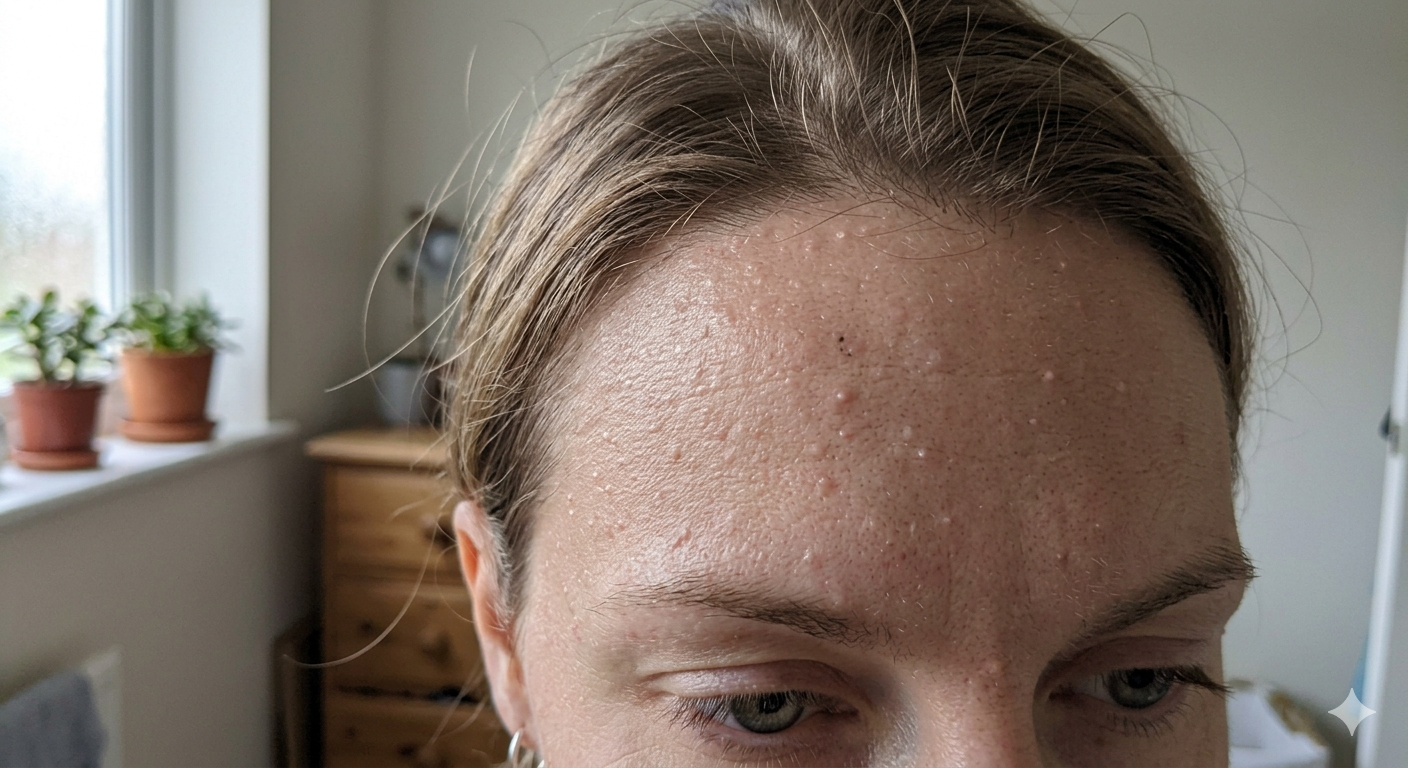
Have you ever looked closely at your skin in the mirror and felt like its surface just wasn’t smooth? Perhaps you aren’t dealing with large, painful, red pimples, but your face feels constantly bumpy, rough to the touch, and looks slightly dull under overhead lights.
In the skincare world, this common frustration is known as skin congestion, and its main culprit is clogged pores.
If you are tired of guessing why your skin feels like sandpaper and want to achieve that smooth, radiant complexion, you’ve come to the right place. Let’s dive into this ultimate beginner’s guide to understand exactly what are clogged pores, what triggers skin congestion, and how to safely clear your skin without causing irritation.
What Are Clogged Pores? The Biological Breakdown
To understand skin congestion, we first need to look at how your skin functions biologically. Your face is covered in millions of microscopic openings called pores. Directly beneath each pore sits a hair follicle and a sebaceous gland, which is responsible for producing a natural oil called sebum.
In healthy skin, sebum flows smoothly up the follicle and exits the pore to hydrate your skin barrier. However, a clogged pore occurs when a "traffic jam" happens inside this tiny tunnel. This buildup typically consists of three elements:
- Excess Sebum: Your glands produce way more oil than your skin actually needs.
- Sticky Dead Skin Cells: Instead of shedding naturally off the surface, dead cells clump together.
- Daily Micro-Debris: Traces of makeup, heavy sunscreens, pollution, and sweat mix into the oil.
When this sticky mixture hardens inside the opening, it creates a dense plug. If the pore remains open to the air, the plug oxidizes and turns black, creating a blackhead.
However, if a thin layer of skin grows over the top, sealing it off completely, it forms a flesh-colored bump known as a closed comedone (a whitehead). To see how these trapped plugs develop into stubborn texture, browse our specialized analysis: What Do Closed Comedones Look Like? The Visual Guide to Clogged Pores

The Sneaky Triggers of Skin Congestion
While oil production is completely natural, certain daily habits and environmental factors can secretly accelerate clogged pores across your face:
- Using Comedogenic Skincare: Many rich moisturizers, heavy makeup primers, and foundations contain synthetic waxes or heavy oils that physically block the pore openings.
- Inadequate Cleansing: Simply splashing your face with water or using a quick, superficial face wash won’t dissolve daily waterproof sunscreen or stubborn silicone-based makeup. Over time, this debris sinks into the follicles.
- Over-Exfoliating Your Barrier: Ironically, scrubbing your face aggressively with harsh physical beads or spinning brushes tears your moisture barrier. When your skin becomes dehydrated and irritated, it panics and produces more oil to defend itself, worsening congestion.
The Ultimate Pore-Clearing Routine (Without Irritation)
If you want to get rid of clogged pores, you cannot simply scrub them away or forcefully squeeze them out with your fingernails. Forceful extraction will rupture the follicle walls under the surface, turning a calm clog into an inflamed acne breakout.
Instead, a successful skincare routine for congested skin requires a targeted, clarifying approach that clears the surface and dissolves the core:
1. Dissolve Plugs Daily with Salicylic Acid (BHA)
Most standard skincare ingredients are water-soluble, meaning they only clear debris on the very surface of your face. To truly clear clogged pores, you need Salicylic Acid (BHA). Because Salicylic Acid is lipid-soluble, it has the unique ability to bypass surface moisture, dive straight down into the oily core of the plug, and gently dissolve the hardened sebum glue from the inside out.
Washing your face daily with the Dr.Leo Salicylic Acid Cleanser utilizes a targeted salicylic acid formulation. This gentle yet effective wash deep-cleans the pores and melts away trapped congestion without causing drying, peeling, or irritation.
2. Vacuum Excess Grease with a Volcanic Clay Stick
To prevent daily debris and runaway oil from setting into your follicles, a standard daily wash needs a regular deep-cleansing partner. Incorporating the Dr.Leo Volcanic Clay Cleanser Stick 2-3 times a week into your routine provides a magnetic pull on your T-zone. This mess-free clay stick draws out stubborn impurities, sweeps away daily micro-debris, and mattifies excess shine before it can solidify into a clogged pore.
3.Maintain Weightless Hydration with Dr.Leo CICA Panthenol Hydro-Gel Soothing Moisturizer
Never leave your skin bare or dry after cleansing. When your skin lacks moisture after an intense pore-clearing session, it naturally overcompensates by triggering excess sebum production, re-clogging the very pores you just emptied.
Locking in hydration with the Dr.Leo CICA Panthenol Hydro-Gel Soothing Moisturizer provides the perfect non-comedogenic solution. Its lightweight microcapsule texture transforms into water upon application to deliver deep hydration and maintain a healthy moisture-oil balance. Infused with high-purity centella asiatica, panthenol, and small-molecule hyaluronic acid, it instantly soothes redness and burning while ensuring your acne-prone skin stays perfectly balanced, calm, and breathable without blocking your pores all over again.
Reclaim Your Smooth Skin Texture
Overcoming skin congestion doesn’t happen overnight, but understanding the science behind clogged pores is the essential first step. By stepping away from heavy, occlusive cosmetics and integrating oil-soluble exfoliants like Salicylic Acid into your daily habits, you can smoothly dissolve deep blockages and enjoy touchably soft, clear skin.
Explore Our Master Blueprints:
- To understand how these generic blockages can be easily confused with other stubborn skin conditions, read our guide: Closed Comedones vs. Clogged Pores: How to Identify Skin Bumps.
- To discover the internal and external reasons behind your sudden breakout, explore Why Are My Pores Clogged? Clogged Pores Causes & Signs.