Lip Balm vs Lip Serum: Which Is Better for Dry and Aging Lips?
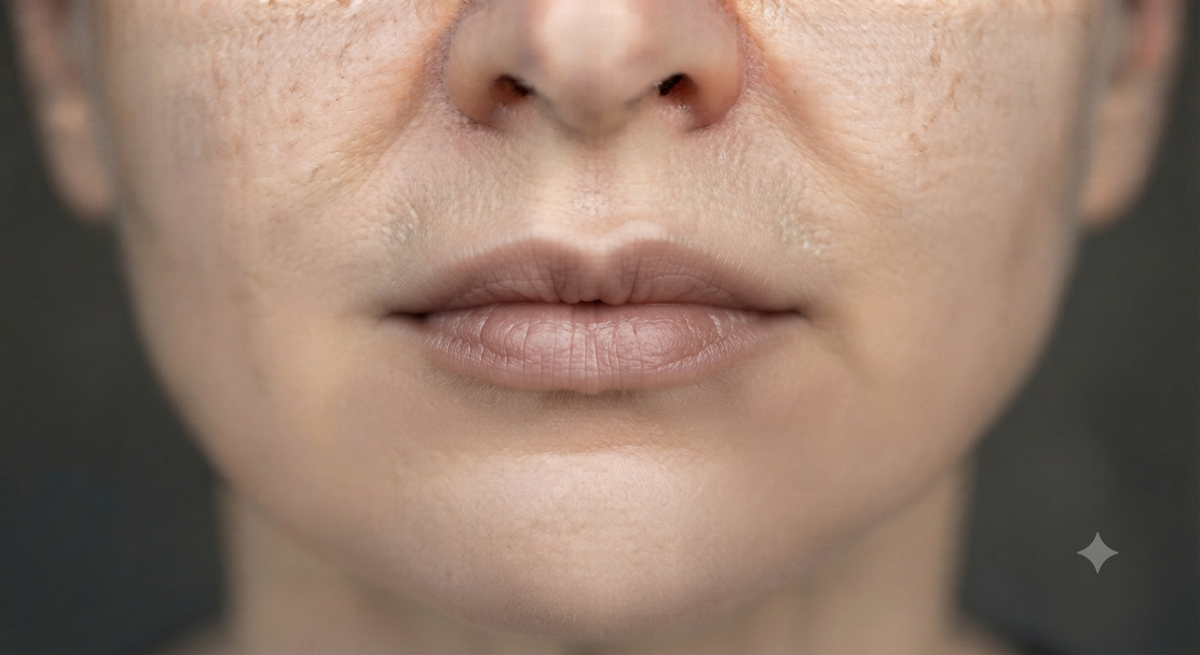
If your lips feel dry, rough, or constantly in need of moisture, you may have wondered whether a traditional lip balm is enough—or whether a lip serum would be a better choice.
Both products can help improve the feel and appearance of dry lips, but they serve different purposes. A lip balm is typically designed to moisturize and protect the surface of the lips, while a lip serum can combine nourishing ingredients with targeted actives for concerns such as visible lip lines, loss of firmness, and aging-related changes.
So, when it comes to lip balm vs lip serum, which one should you choose?
The answer depends on what your lips actually need.
What Is a Lip Balm?
Lip balm is primarily designed to moisturize the lips and help reduce moisture loss.
Because lips have a relatively thin protective barrier and fewer oil glands than much of the facial skin, they can become dry and uncomfortable more easily. A lip balm can help create a protective layer while providing ingredients that soften and condition the lips.
What Is Lip Balm Best For?
A traditional lip balm can be a good choice for:
- Everyday moisture
- Dry or mildly chapped lips
- Protecting lips from cold or dry weather
- Reducing the feeling of tightness
- Maintaining softer-looking lips
For someone whose main concern is occasional dryness, a simple moisturizing lip balm may be all they need.
What Is a Lip Serum?
A lip serum is a more treatment-focused approach to lip care.
Rather than focusing only on surface moisturization, a lip serum can combine conditioning ingredients with targeted skincare actives designed to address additional concerns.
Depending on the formula, these may include ingredients such as:
- Peptides
- DPHP
- Plumping ingredients
- Caffeine
- Nourishing oils
This makes lip serums particularly appealing to people who want to address more than temporary dryness.
What Is Lip Serum Best For?
A treatment-focused lip serum may be useful for people concerned about:
- Persistent dryness
- Visible lip lines
- Rough texture
- Loss of firmness
- Dull-looking lips
- Aging-prone lips
- A desire for fuller-looking lips
In other words, a lip serum can be thought of as a step beyond basic lip moisturization.
Lip Balm vs Lip Serum: What's the Difference?
The easiest way to understand the difference is to look at what each product is designed to accomplish.
| Lip Balm | Lip Serum | |
| Primary purpose | Moisturize and protect | Targeted lip treatment |
| Best for | Everyday dryness | Dryness plus additional concerns |
| Barrier support | ✅️ | ✅️ |
| Nourishing care | ✅️ | ✅️ |
| Lip line care | Formula dependent | Often a key focus |
| Plumping care | Formula dependent | Often included in advanced formulas |
| Anti-aging focus | Usually limited | More treatment-oriented |
The distinction isn't that one product is universally better than the other.
Instead, lip balm and lip serum can serve different stages of your lip care routine.
When Is Lip Balm Enough?
If your lips are generally healthy but become dry occasionally, a traditional lip balm can provide exactly the kind of care you need.
For example, you may benefit from a lip balm if your main concerns are:
Occasional Dryness
Cold weather, air conditioning, or low humidity can temporarily make your lips feel dry.
A moisturizing lip balm can help keep them feeling soft and comfortable.
Everyday Moisture Protection
A lip balm can also be useful as a simple daily product to help reduce moisture loss and protect the lips from environmental conditions.
Mild Chapping
If your lips are slightly rough or flaky but don't have additional concerns, a nourishing lip balm may be sufficient.
In these situations, there is no need to choose a more treatment-focused product simply because it sounds more advanced.
When Should You Consider a Lip Serum?
A lip serum becomes more relevant when dryness is only one part of the problem.
If you notice that your lips are becoming less smooth, less firm, or more lined over time, simply adding more moisture may not address everything you're looking for.
Dryness Combined With Visible Lip Lines
Dryness can make lip lines appear more noticeable.
For aging-prone lips, a formula containing peptides and other targeted ingredients can provide a more comprehensive approach to lip care.
Loss of Smoothness or Firmness
As lips change with age, their appearance can become less smooth and defined.
A treatment-focused lip serum can incorporate ingredients designed to support a smoother and firmer-looking appearance.
You Want Fuller-Looking Lips
Some lip serums also contain plumping ingredients that help create a temporarily fuller-looking appearance.
This makes them different from traditional lip balms whose primary purpose is moisturization and protection.
What Ingredients Should You Look for in a Lip Serum?
If you're considering moving beyond a traditional lip balm, the ingredients matter.
Peptides for Smoother-Looking Lips
Peptides are widely used in skincare formulations designed to support the appearance of firmness and smoother-looking skin.
In lip care, peptide-based formulas can be especially useful for people concerned about visible lip lines and aging-related changes.
DPHP for Aging-Prone Lip Care
DPHP, or Dipalmitoyl Hydroxyproline, is an ingredient used in skincare formulations focused on improving the appearance of firmness and smoothness.
Combined with peptides, it can make a lip treatment more focused on aging-related concerns rather than basic moisturization alone.
Plumping Ingredients for Fuller-Looking Lips
Ingredients such as Adeplump are used in lip care formulas to help create a fuller and more defined-looking appearance.
This is particularly relevant if your goal is not only softer lips but also a more youthful-looking lip contour.
Nourishing Ingredients for Dry Lips
Even a treatment-focused lip serum still needs to provide nourishment.
Ingredients such as squalane and botanical oils can help condition dry lips and improve their soft, smooth feel.
Dr.Leo Peptide Lip Serum: When Dry Lips Need More Than Basic Moisture
If your main concern is simply occasional dryness, a traditional lip balm may be enough.
But if you are dealing with dryness, visible lip lines, loss of firmness, and a desire for fuller-looking lips, a treatment-focused formula can offer a more comprehensive approach.
Dr.Leo Peptide Lip Serum is formulated specifically for dry, aging-prone lips.
It combines Multi-Peptide + DPHP with Adeplump and Caffeine to address multiple aspects of lip care.
For Dry Lips
Nourishing ingredients help condition the lips and support a healthier-looking lip barrier.
For Visible Lip Lines
Multi-Peptide and DPHP provide targeted care for the appearance of deep lip lines and smoother-looking lips.
For Fuller-Looking Lips
Adeplump helps create an instantly plumper-looking appearance while supporting a more youthful-looking lip contour.
For Dull-Looking Lips
The formula also helps enhance the appearance of natural lip color, leaving lips looking more vibrant.
The result is a lip treatment designed to go beyond basic moisturization and address the broader needs of dry, aging-prone lips.
Can You Use Lip Balm and Lip Serum Together?
Yes. You don't necessarily have to choose one or the other.
For some people, using a lip serum as a treatment step and a lip balm as a protective layer can make sense.
For example:
During the Day
Use a lip serum first to provide targeted care, followed by a protective lip balm if your lips need additional moisture protection.
At Night
A nourishing lip serum can be used as part of your evening skincare routine to provide concentrated lip care while you sleep.
However, if your lip serum already provides sufficient nourishment and moisture, you may not need an additional balm.
Lip Balm or Lip Serum: Which One Should You Choose?
The simplest way to decide is to consider your primary concern.
Choose a lip balm if:
- Your lips are occasionally dry
- You mainly want everyday moisture
- You want simple protection from environmental dryness
- You don't have significant aging-related concerns
Consider a lip serum if:
- Your lips are persistently dry
- You have visible lip lines
- Your lips look less smooth or firm than before
- You want fuller-looking lips
- You want targeted anti-aging lip care
- You want more than basic moisturization
For dry, aging-prone lips, a peptide lip serum can therefore be a more comprehensive alternative to a conventional moisturizing lip balm.
The Bottom Line
When comparing lip balm vs lip serum, neither product is automatically better for everyone.
A traditional lip balm is a practical choice for everyday moisture and protection. But if your lips are not only dry but also showing visible lines, reduced smoothness, or a less defined appearance, a treatment-focused lip serum may offer more targeted care.
For dry, aging-prone lips, Dr.Leo Peptide Lip Serum combines Multi-Peptide, DPHP, Adeplump, and Caffeine with nourishing ingredients to support softer, smoother, fuller-looking lips.
The right choice ultimately depends on whether you are simply looking to protect dry lips—or treat multiple signs of lip aging at the same time.