Lip Balm vs. Lip Treatment: Which Is Better for Dry and Aging Lips?
If your lips are dry, rough, or showing visible lines, you may have noticed that lip care products come in many different formats.
There are traditional lip balms, lip masks, lip oils, lip serums, and treatment-focused formulas.
So what's the difference between a lip balm and a lip treatment?
The simplest way to think about it is this:
A lip balm primarily focuses on moisture and protection, while a lip treatment is designed to provide more targeted skincare benefits alongside hydration.
Neither is automatically better.
The right choice depends on what your lips actually need.
What Is a Traditional Lip Balm?
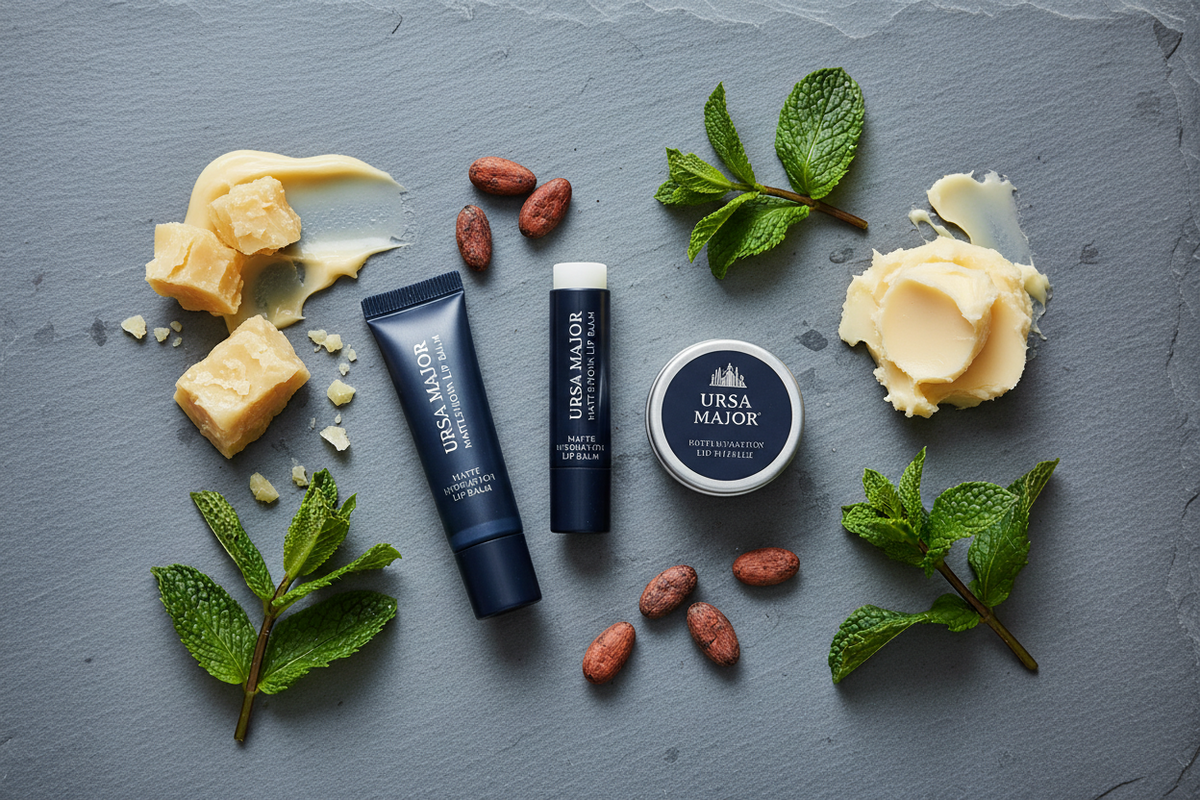
A traditional lip balm is primarily designed to moisturize and protect the lips.
Its main goals are usually to:
- Reduce the feeling of dryness
- Soften rough lips
- Help reduce moisture loss
- Create a comfortable protective layer
- Make lips feel smoother
For everyday dry lips, a traditional lip balm can be all you need.
If your lips are healthy and your only concern is occasional dryness, there may be no reason to use a more advanced treatment.
What Is a Lip Treatment?
A lip treatment takes a broader approach to lip care.
Instead of focusing only on moisture, it may combine moisturizing ingredients with targeted actives designed to address concerns such as:
- Visible lip lines
- Aging-related texture changes
- Reduced-looking fullness
- Dull-looking lips
- Persistent dryness
A lip treatment is therefore closer to skincare for your lips than a simple protective balm.
Lip Balm vs. Lip Treatment: What's the Difference?
The biggest difference is the purpose of the formula.
| Concern | Traditional Lip Balm | Lip Treatment |
| Everyday moisture | ✅️ | ✅️ |
| Dry lips | ✅️ | ✅️ |
| Protection from moisture loss | ✅️ | ✅️ |
| Nourishment | Depends on formula | ✅️ |
| Visible lip lines | Limited focus | Targeted focus |
| Aging-related concerns | Limited focus | ✅️ |
| Fuller-looking lips | Formula dependent | Depends on formula |
| Multi-functional lip care | Limited | ✅️ |
This doesn't mean every lip treatment is better than every lip balm.
A simple lip balm may actually be the better choice when your only goal is basic moisture.
The difference becomes more meaningful when you have multiple concerns at the same time.
When Is a Traditional Lip Balm Enough?
A traditional lip balm may be the right choice if your lips are generally healthy but occasionally become dry.
For example, you may only need a basic lip balm when:
- The weather becomes colder
- You're spending time outdoors
- Indoor air feels dry
- Your lips occasionally feel tight
- You want a simple everyday lip care product
In these situations, adding multiple active ingredients may not provide much additional value.
The most important thing is consistent moisturization and protection.
When Should You Consider a Lip Treatment?
A lip treatment becomes more interesting when dryness isn't your only concern.
You may want to consider one if you notice:
- Persistent dryness
- Visible vertical lip lines
- Rough or uneven texture
- Reduced-looking fullness
- Dull-looking lips
- Aging-related changes
In these situations, simply adding another layer of moisturizer may not address everything you're looking for.
A treatment-focused formula can combine hydration with ingredients specifically selected for these additional concerns.
What Ingredients Should You Look for in a Lip Treatment?
The right ingredients depend on your individual needs.
However, several categories are particularly useful when dealing with dry and aging-prone lips.
Moisturizing and Nourishing Ingredients
Even an advanced lip treatment still needs to provide basic lip care.
Nourishing oils, emollients, and conditioning ingredients can help soften dry lips and improve their overall feel.
Ingredients such as Squalane and Meadowfoam Seed Oil can provide conditioning care for dry lips.
This is the foundation of any good lip treatment.
Peptides for Visible Lip Lines
If visible lip lines are one of your main concerns, peptides can add a targeted skincare benefit.
Peptides are commonly used in skincare formulations designed to support smoother-looking and firmer-looking skin.
In a lip treatment, they can complement moisturizing ingredients to address the appearance of aging-related lip lines.
DPHP for Smoother-Looking Lips
DPHP, or Dipalmitoyl Hydroxyproline, is another ingredient used in skincare formulations focused on the appearance of firmness and smoothness.
When paired with peptides, it can contribute to a more comprehensive approach to aging-prone lip care.
Plumping Ingredients for Fuller-Looking Lips
If your lips appear less full than before, hydration alone may not create the appearance you're looking for.
A formula containing a dedicated plumping ingredient can provide an additional benefit.
Adeplump, for example, helps create an instantly fuller-looking appearance after application.
This makes plumping ingredients particularly relevant for people who want both smoother and fuller-looking lips.
Lip Balm vs. Lip Serum: Which Should You Choose?
Lip serum is another format you may encounter when shopping for treatment-focused lip care.
The difference is primarily about the formulation and intended use, not simply the product name.
Choose a Traditional Lip Balm If:
You mainly want:
- Everyday moisture
- Basic dryness relief
- Protection from environmental exposure
- A simple lip care routine
Consider a Lip Serum If:
You want to target:
- Dry and aging-prone lips
- Visible lip lines
- Rough texture
- Reduced-looking fullness
- Multiple lip concerns at once
A lip serum can therefore occupy a space between traditional lip care and a targeted skincare treatment.
Why Dr.Leo Uses a Lip Serum Format
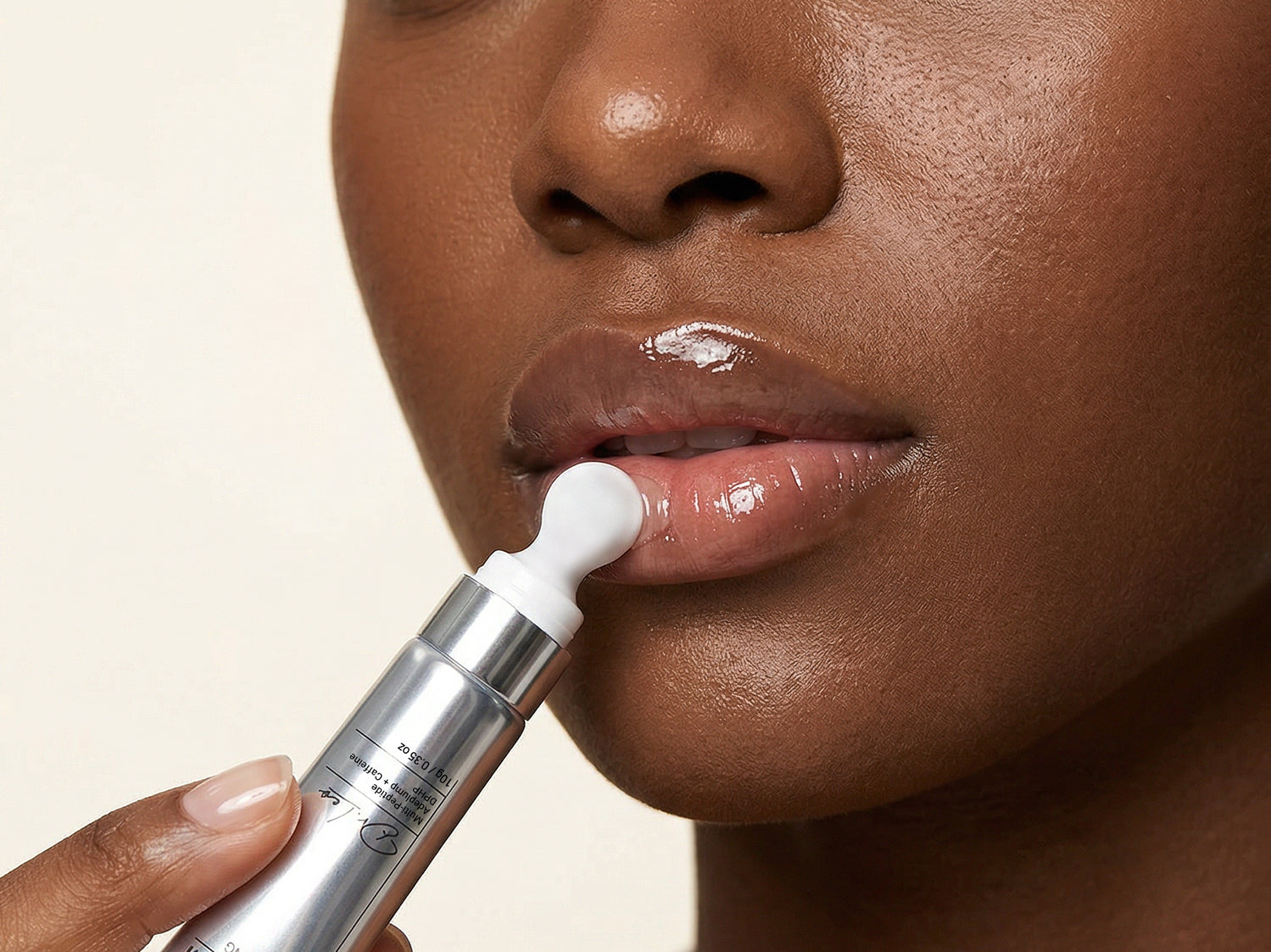
Dr.Leo Peptide Lip Serum is designed around the idea that lip care doesn't have to stop at basic moisturization.
The formula combines multiple targeted ingredients to address different aspects of dry, aging-prone lips.
Multi-Peptide + DPHP
The combination of Multi-Peptide and DPHP provides targeted care for the appearance of lip lines, smoothness, and firmness.
Rather than simply making lips feel moisturized immediately, the formula is designed to provide ongoing skincare support with consistent use.
Adeplump
Adeplump helps create an instantly fuller-looking appearance.
This addresses one of the concerns that a traditional moisturizing lip balm may not specifically target.
Caffeine
Caffeine complements the formula by supporting a fresher and more vibrant-looking appearance.
Squalane and Nourishing Oils
Squalane and nourishing botanical oils provide conditioning care for dry lips.
This ensures that the formula doesn't focus solely on anti-aging or plumping concerns while ignoring the basic needs of dry lips.
Can You Use Lip Balm and Lip Treatment Together?
Yes, depending on your routine and the products you're using.
A simple approach is to use a treatment-focused lip serum as your primary lip care product and add a traditional lip balm when additional protection is needed.
For example:
Morning:
Lip treatment → lip sun protection if needed
During the day:
Reapply lip balm or treatment when lips feel dry
Night:
Lip treatment → allow it to remain on the lips overnight
You don't necessarily need multiple products, though.
If your lip treatment already provides sufficient nourishment and conditioning, one well-formulated product may be enough.
How to Choose the Right Lip Care for Your Needs
Instead of choosing a product based only on the word "balm," "serum," or "treatment," start with your actual concern.
If Your Lips Are Occasionally Dry
Choose a simple moisturizing lip balm.
If Your Lips Are Extremely Dry
Look for nourishing ingredients and formulas that help support the lip barrier.
You can also read our guide on How to fix extremely dry and cracked lips for a more detailed routine.
If Your Lips Are Dry and Sensitive
Prioritize gentle, nourishing formulas and avoid ingredients that you already know cause irritation.
If You Have Visible Lip Lines
Consider a treatment containing targeted skincare ingredients such as peptides.
If You Want Fuller-Looking Lips
Look for a formula containing dedicated plumping ingredients.
If You Have Several Concerns at Once
A multi-functional lip treatment may be the most convenient option.
It can combine hydration, nourishment, anti-aging care, and plumping benefits in a single step.
The Bottom Line
The difference between lip balm and lip treatment comes down to what you want your lip care product to accomplish.
A traditional lip balm is an excellent choice for everyday moisture and protection.
A treatment-focused lip product is designed to go further, combining hydration with targeted ingredients for concerns such as visible lip lines, aging-related texture changes, and fuller-looking lips.
If your lips only need occasional moisture, keep it simple.
But if you're dealing with dryness + lip lines + loss of visible fullness, a multi-functional treatment can provide a more complete approach.
Dr.Leo Peptide Lip Serum combines Multi-Peptide + DPHP, Adeplump, Caffeine, Squalane, and nourishing botanical oils to provide targeted care for dry, aging-prone lips—helping them look softer, smoother, and fuller.
The best lip care isn't necessarily the one with the longest ingredient list. It's the one that matches what your lips actually need.