Blackheads vs. Sebaceous Filaments: How to Tell the Difference
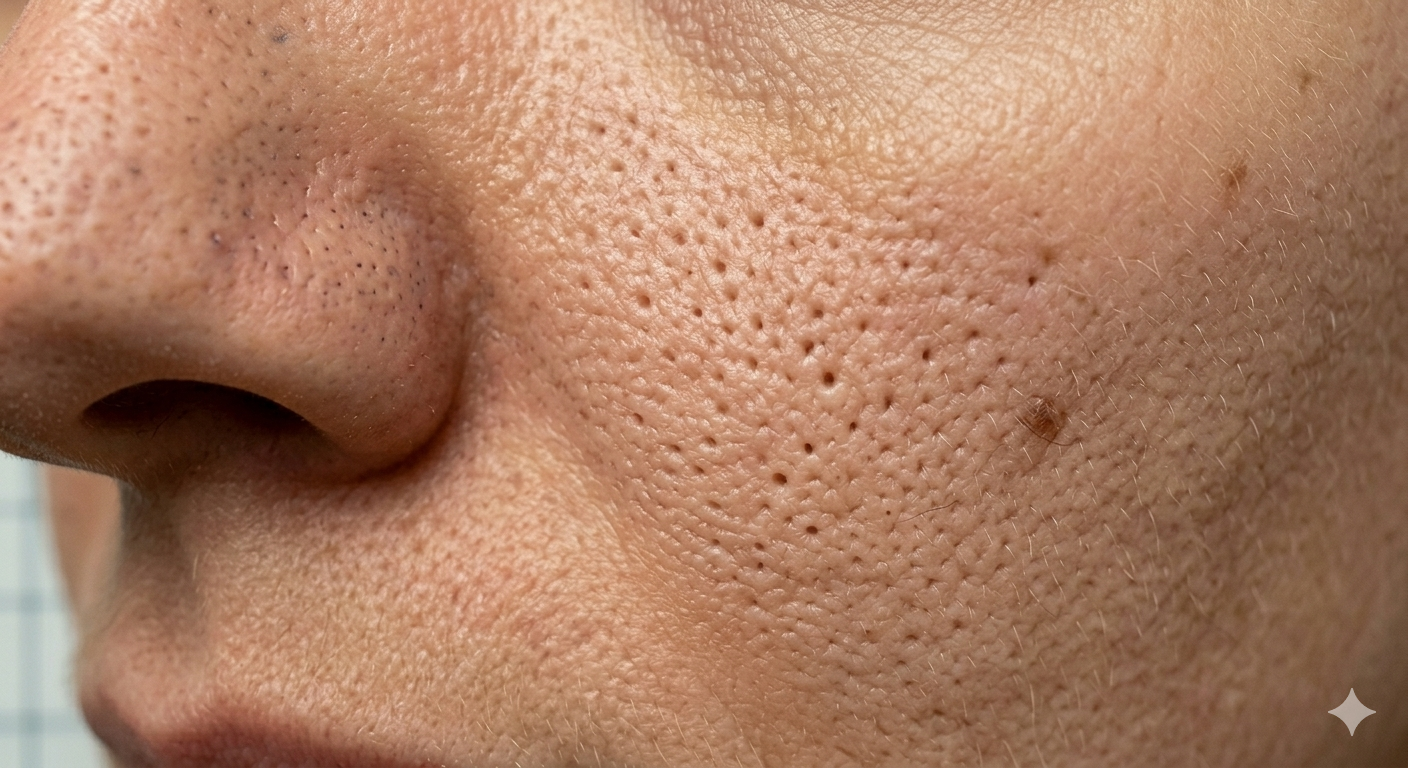
Tiny dark, gray, or yellowish dots on the nose can be difficult to identify. They may look like blackheads, but many of them are actually sebaceous filaments—a normal part of the pore structure.
The confusion matters because blackheads and sebaceous filaments are not the same thing. A blackhead is a type of clogged pore, while sebaceous filaments naturally help move sebum through the follicle to the surface of the skin.
So how can you tell which one you have?
The easiest way is to compare their appearance, texture, pattern, and what happens after they are removed.
For a broader explanation of how blackheads form, see our complete guide: What Are Blackheads? Causes, Treatment & Prevention.
What Are Blackheads?
Blackheads are a type of open comedone. They form when sebum and dead skin cells accumulate inside a hair follicle while the opening remains exposed to the skin's surface.
Because the opening is exposed to air, the material near the surface darkens over time. Blackheads usually appear as more distinct individual dark spots and may feel slightly raised or uneven compared with the surrounding skin.

What Are Sebaceous Filaments?
Sebaceous filaments are normal structures found inside hair follicles. They help guide sebum from the sebaceous gland to the surface of the skin.
They are especially visible in areas with high oil production, such as the nose, chin, and forehead. Unlike blackheads, sebaceous filaments are not considered clogged pores or acne.
They often appear as small, evenly distributed gray, beige, or yellowish dots and usually return after extraction because the pore continues producing sebum.
Blackheads vs. Sebaceous Filaments: Key Differences
To stop treating your skin blindly, you need to understand exactly what is happening inside the pore lining. Here is a definitive look at blackheads vs sebaceous filaments across three core biological and structural dimensions:
| Feature | Blackheads | Sebaceous Filaments |
| What they are | Open comedones caused by a buildup of sebum and dead skin cells inside a follicle | Normal structures inside follicles that help move sebum to the skin surface |
| Appearance | More distinct dark brown or black dots | Usually gray, beige, yellowish, or skin-colored |
| Pattern | Often appear individually or in uneven clusters | Usually appear in a uniform pattern across oily areas |
| Size | Can vary in size | Usually small and relatively consistent in size |
| Texture | May feel slightly raised or rough | Usually feel flat or smooth |
| Common areas | Nose, chin, forehead, and other oil-prone areas | Especially common on the nose, chin, and forehead |
| After extraction | May leave behind a visible pore and can recur | Usually refill because sebum production continues |
| Are they acne? | Yes, they are a type of comedonal acne | No, they are a normal part of the skin |
How to Tell if It's a Blackhead or Sebaceous Filament
If you are still unsure after looking in the mirror, use these four clues.
1. Look at the Pattern
Sebaceous filaments usually appear in a regular, evenly distributed pattern across oily areas such as the nose.
Blackheads are more likely to appear as individual dark spots or uneven clusters.
2. Check the Color
Blackheads are often darker because the material near the surface is exposed to air.
Sebaceous filaments are usually lighter and may appear gray, beige, yellowish, or slightly darker than the surrounding skin.
3. Feel the Skin Surface
Some blackheads may create a slightly raised or rough texture.
Sebaceous filaments usually sit flush with the skin and may not noticeably change the texture of the surface.
4. Notice What Happens Over Time
Sebaceous filaments naturally return after extraction because they are part of the normal process that moves sebum through the follicle.
Blackheads can also recur, but repeated blackheads may indicate ongoing buildup of sebum and dead skin cells inside the pore.
What Comes Out of Sebaceous Filaments vs. Blackheads?
When a sebaceous filament is squeezed, the material may come out as a soft, thin, yellowish or whitish thread-like substance. This is mainly a mixture of sebum and dead skin cells from inside the follicle.
A blackhead may release a more compact plug of oxidized material, although the appearance can vary.
However, trying to identify every pore by squeezing it is not recommended. Frequent squeezing can irritate the skin and may cause inflammation or post-inflammatory marks.
How to Manage Blackheads
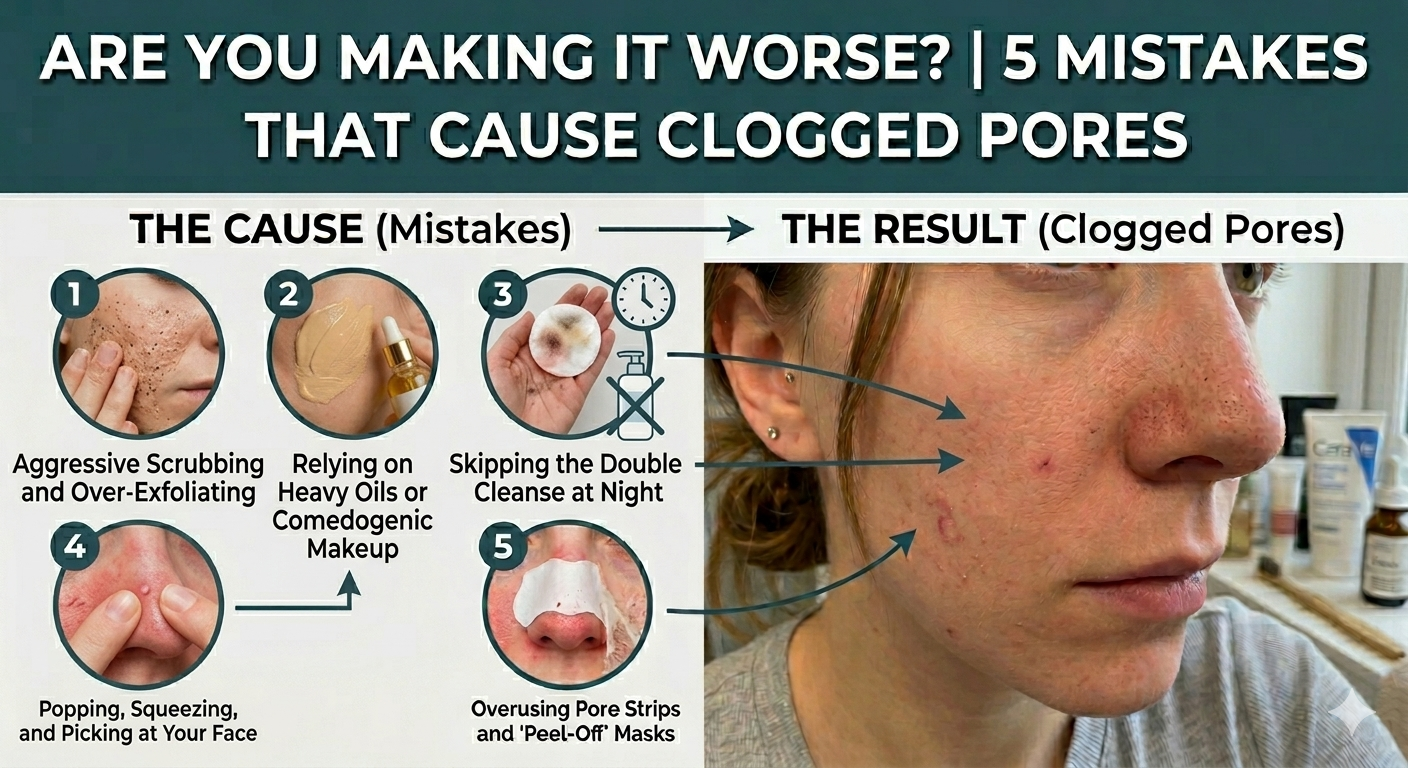
Blackheads are a type of clogged pore, so treatment generally focuses on reducing the buildup of oil and dead skin cells.
Salicylic acid is commonly used for blackhead-prone skin because it can exfoliate inside the pore. Retinoids may also help improve abnormal skin cell turnover and reduce the formation of new comedones over time.
Avoid aggressive scrubbing or repeatedly squeezing blackheads, as irritation does not address the underlying cause of the clog.
For a complete guide to blackhead treatment and prevention, see What Are Blackheads? Causes, Treatment & Prevention.
If you prefer a wash-off BHA option, the Dr.Leo Salicylic Acid Cleanser can be incorporated into a routine designed for oily or congestion-prone skin.
How to Manage Sebaceous Filaments
Sebaceous filaments cannot be permanently removed because they are a normal part of the pore structure.
The goal is not to eliminate them completely, but to reduce their visible appearance if they are especially noticeable.
Gentle cleansing and ingredients that help manage excess oil and surface buildup, such as salicylic acid, may help keep pores looking clearer. However, they will naturally reappear over time as the skin continues producing sebum.
What Not to Do
When trying to improve the appearance of pores on the nose, avoid over-treating the area.
- Do not scrub aggressively in an attempt to remove every visible dot.
- Avoid repeatedly squeezing the same pores.
- Do not combine multiple strong exfoliating products at once.
- Avoid expecting sebaceous filaments to disappear permanently.
The goal is to manage visible buildup and maintain healthy skin, not to eliminate every natural pore structure.
The Bottom Line
Blackheads and sebaceous filaments can look similar, especially on the nose, but they are fundamentally different.
Blackheads are clogged pores and a type of comedonal acne. Sebaceous filaments are normal structures that help transport sebum through the follicle.
If the dots are evenly distributed, relatively uniform, and quickly return after extraction, they are more likely to be sebaceous filaments. If they appear as more distinct, uneven dark spots and create visible congestion, they may be blackheads.
Knowing the difference can help you choose the right approach—and avoid aggressively treating normal skin structures as if they were acne.