Best Face Wash for Oily Skin: How to Choose the Right Cleanser
Best Face Wash for Oily Skin: How to Choose the Right Cleanser
Finding the best face wash for oily skin can be challenging. Some cleansers leave your face feeling greasy shortly after washing, while others make your skin feel tight, dry, or uncomfortable. The right cleanser should remove excess oil, sweat, and daily impurities without unnecessarily stripping your skin.
If you have oily or acne-prone skin, choosing a gentle formula that fits your skin's needs is often more important than selecting the strongest oil-removing cleanser. A balanced cleansing routine can help keep your skin feeling fresh while supporting its natural moisture barrier.
In this guide, we'll explore the best types of face washes for oily skin, the ingredients worth looking for, how to choose a cleanser for different skin concerns, and how to build a balanced routine with suitable skincare products.
Key Takeaways
- Choose gentle cleansing: The best face wash for oily skin should remove excess surface oil and impurities without leaving your skin excessively dry or tight.
- Understand the ingredients: Salicylic acid, glycerin, panthenol, and niacinamide serve different skincare purposes.
- Consider cleanser textures: Gel, foaming, and cream cleansers offer different cleansing experiences.
- Avoid over-cleansing: Washing too frequently or using overly harsh products may contribute to dryness and irritation.
- Build a balanced routine: Combine gentle cleansing with appropriate pore care, lightweight hydration, and daily sunscreen.

What Makes a Good Face Wash for Oily Skin?
Oily skin is generally associated with increased sebum production. Sebum is the natural oil produced by your sebaceous glands to help lubricate and protect your skin.
When excess sebum combines with sweat, dead skin cells, and environmental impurities, your face may feel greasy or look shiny throughout the day. This is particularly noticeable around the forehead, nose, and chin.
A good cleanser for oily skin should help remove daily buildup while maintaining skin comfort.
When choosing a face wash, consider these important factors:
- Effective daily cleansing: Helps remove excess surface oil, sweat, dirt, and impurities.
- Gentle formulation: Cleanses without leaving your skin feeling excessively tight or stripped.
- Suitable texture: Feels comfortable, spreads easily, and rinses off without leaving a heavy residue.
- Skin compatibility: Fits your skin type and can be incorporated into your daily routine.
- Balanced skincare: Complements your moisturizer and other skincare products rather than relying on cleansing alone to address every concern.
Best Types of Face Wash for Oily Skin
Face washes come in different textures and formulations. Understanding their differences can help you choose a product that matches your skin's needs.
1. Gel Cleanser
Gel cleansers typically have a lightweight texture and are popular among people with oily or combination skin.
They are designed to remove daily impurities and excess surface oil while providing a refreshing cleansing experience.
If you dislike heavy cleansing products or prefer a simple daily routine, a gel cleanser may be worth considering.
For example, Dr.Leo Polyamino Acid Purifying Facial Cleanser is formulated with an amino acid-based and APG cleansing system. It offers a gentle daily cleansing option for people looking to remove everyday impurities without relying on an overly aggressive cleansing formula.
2. Foaming Cleanser
Foaming cleansers produce foam during use and are often preferred by people who enjoy a thorough-feeling cleansing experience.
However, foam does not automatically mean better cleansing. The overall formula and surfactants determine how a product cleanses and how comfortable it feels on your skin.
If your face feels excessively tight after washing, consider switching to a gentler formula rather than choosing a cleanser simply because it produces more foam.
3. Cream Cleanser
Cream cleansers generally have a richer texture and are often designed for people who prefer a more moisturizing cleansing experience.
Some people with oily skin may find these formulas too rich for their preferences, but suitability depends on the individual formulation rather than texture alone.
If your skin is both oily and dehydrated, a gentle cream cleanser may also be worth considering.
4. Clay-Based Cleansing Products
Clay-based skincare products may be useful as an additional cleansing option for people concerned about excess surface oil and visible impurities.
Ingredients such as kaolin clay and activated charcoal are commonly used in products designed for oily skin.
However, clay masks and cleansing sticks should not necessarily replace your regular daily facial cleanser. They are better treated as occasional additions to a skincare routine.
For oily areas such as the forehead, nose, and chin, Dr.Leo Volcano Cleansing Clay Stick offers an additional clay-based cleansing step. Its formula combines volcanic clay, kaolin clay, and activated charcoal to help absorb excess surface oil and remove impurities.
Use it according to the product directions rather than applying it excessively, especially if your skin is prone to dryness or irritation.
What Ingredients Should You Look for in a Face Wash for Oily Skin?
When comparing face washes, pay attention to their ingredients and intended functions rather than relying only on marketing claims.
Salicylic Acid (BHA)
Salicylic acid is a beta hydroxy acid (BHA) commonly used in products for oily and acne-prone skin.
It is oil-soluble and helps exfoliate dead skin cells within pores, making it a popular ingredient in products designed for people concerned about clogged pores, blackheads, and whiteheads.
However, salicylic acid may cause dryness or irritation in some people, particularly when combined with other exfoliating products.
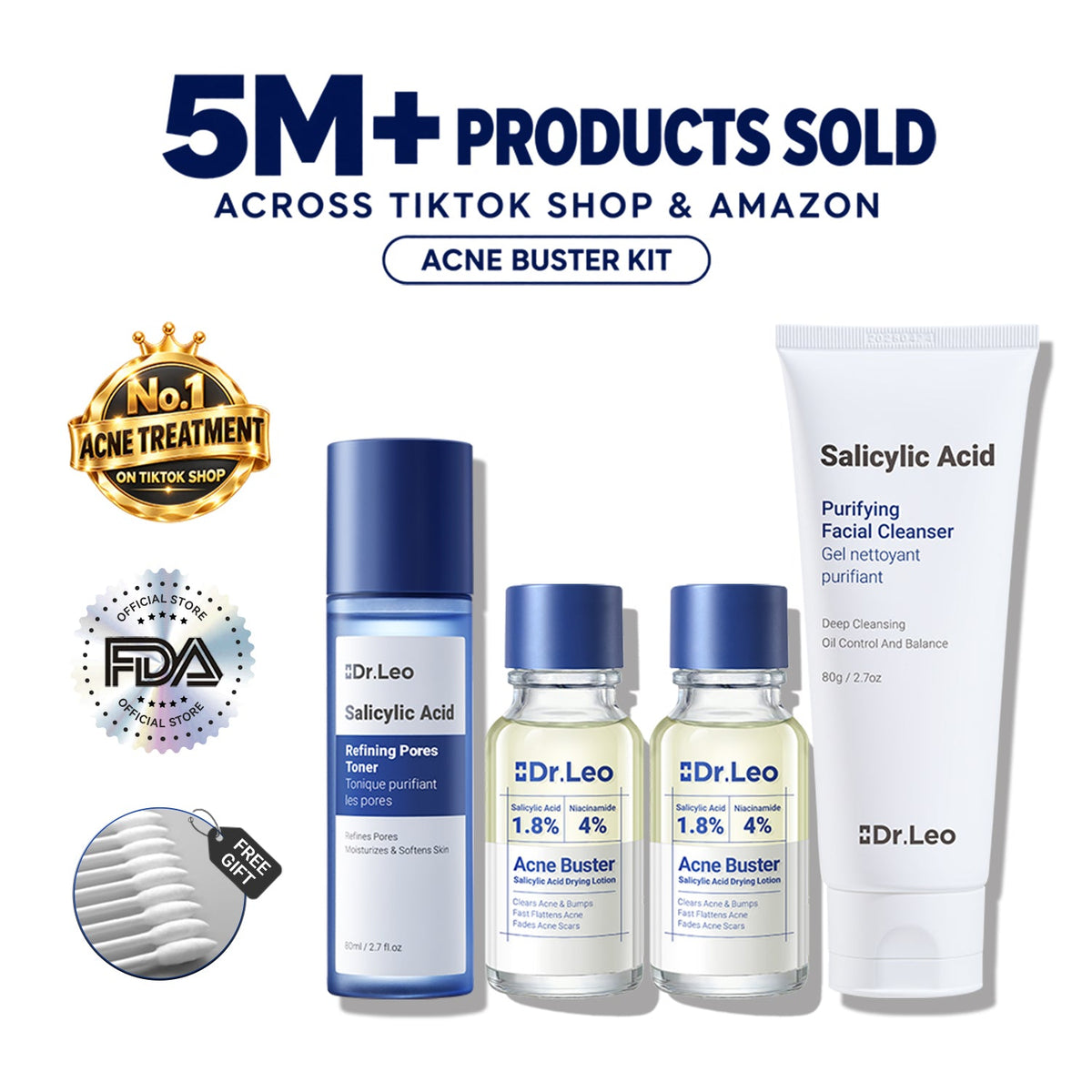
If your primary concern is clogged pores rather than cleansing alone, consider adding a separate salicylic acid product to your routine. For example, Dr.Leo Salicylic Acid Refining Pores Toner provides an additional pore-care step after cleansing.
Glycerin
Glycerin is a humectant that helps attract and retain water in the skin.
It is commonly used in facial cleansers and moisturizers to help maintain hydration and complement the cleansing process.
For oily skin, hydration is still important. A cleanser that removes excess oil while maintaining skin comfort can be a better choice than one that leaves your face feeling stripped.
Panthenol
Panthenol, also known as provitamin B5, is a skincare ingredient commonly used for its moisturizing and skin-conditioning properties.
It can be found in products formulated to help maintain skin hydration and comfort.
If your skin feels dry or tight after using cleansing or exfoliating products, a moisturizer containing panthenol may be a useful addition to your routine.
Niacinamide
Niacinamide, also known as vitamin B3, helps support the skin barrier and maintain a balanced-looking complexion.
It is commonly included in skincare routines for oily and blemish-prone skin.
However, its presence in a rinse-off cleanser does not necessarily provide the same experience as a leave-on product. Consider your entire skincare routine when deciding which ingredients you need.
How to Choose the Best Face Wash for Oily Acne-Prone Skin
If you have both oily and acne-prone skin, choosing a cleanser can be particularly important. You want to remove excess oil and impurities without making your skin feel irritated or uncomfortable.
1. Avoid Overly Harsh Cleansers
A cleanser that leaves your skin feeling extremely tight or dry may not be the best fit for your daily routine.
Instead of choosing products based solely on how strongly they remove oil, look for a formula that cleanses effectively while remaining comfortable to use.
2. Consider Your Main Skin Concerns
Different concerns may require different skincare ingredients and product formats.
- Excess surface oil: Consider a gentle cleanser formulated for oily skin and suitable for daily use.
- Clogged pores and blackheads: Salicylic acid products may be worth considering as part of your routine.
- Sensitive or easily irritated skin: Look for gentle formulas and introduce active ingredients carefully.
- Frequent individual breakouts: A cleanser can be one part of your routine, but you may also need a separate targeted acne treatment.
- Dryness after cleansing: Consider adding a lightweight moisturizer to help maintain skin hydration.
3. Pay Attention to How Your Skin Feels After Cleansing
Your skin's response is an important part of choosing the right cleanser.
If your face feels comfortable, clean, and not excessively tight after washing, the formula may be suitable for your routine.
If you experience persistent dryness, burning, or irritation, discontinue the product and consider a gentler alternative.
How Often Should You Wash Your Face If You Have Oily Skin?
Having oily skin does not mean you need to wash your face repeatedly throughout the day.
For most people, cleansing twice daily and after heavy sweating is a reasonable starting point.
Washing too frequently or using harsh products can irritate your skin and disrupt its protective barrier.
Follow these general cleansing habits:
- Wash your face in the morning and evening.
- Cleanse after heavy sweating or exercise.
- Use lukewarm water instead of very hot water.
- Massage the cleanser gently rather than scrubbing aggressively.
- Rinse thoroughly and pat your face dry with a clean towel.
Common Face Washing Mistakes to Avoid
Even when you choose a suitable cleanser, certain habits can make your skincare routine less comfortable.
1. Washing Your Face Too Many Times
Repeatedly washing your face may cause unnecessary dryness and irritation. Stick to a consistent cleansing routine rather than trying to remove every trace of natural oil.
2. Using Very Hot Water
Hot water may leave your skin feeling dry and uncomfortable. Use lukewarm water when cleansing your face.
3. Scrubbing Too Aggressively
Scrubbing harder does not necessarily make your face cleaner. Use gentle circular motions and avoid harsh physical scrubbing, especially if your skin is sensitive or acne-prone.
4. Skipping Moisturizer After Cleansing
Oily skin still needs hydration. After washing your face, apply a suitable moisturizer to help maintain skin hydration and support the skin barrier.
If you prefer a lightweight texture, Dr.Leo CICA Panthenol Jelly Moisturizer is an option to consider. Its jelly texture provides lightweight hydration while helping soothe the skin and support barrier comfort.
Why Choose Dr.Leo Polyamino Acid Purifying Facial Cleanser?
If you are looking for a gentle daily cleanser for oily and blemish-prone skin, consider Dr.Leo Polyamino Acid Purifying Facial Cleanser.
Designed around a gentle cleansing approach, this facial cleanser helps remove everyday impurities while keeping the cleansing step simple and comfortable.
A Gentle Cleansing Step for Your Daily Routine
People with oily skin often focus too much on removing excess oil. However, daily cleansing should also consider skin comfort.
Choosing a cleanser that fits your skin's needs can help you maintain a consistent routine without relying on overly aggressive cleansing habits.
Dr.Leo's Polyamino Acid Purifying Facial Cleanser uses an amino acid-based and APG cleansing system, making it an option for people who prefer a gentle daily cleansing experience.
How to Use Dr.Leo Facial Cleanser
- Wet your face: Use lukewarm water to prepare your skin.
- Apply the cleanser: Follow the product directions and use the recommended amount.
- Cleanse gently: Massage across your face without aggressive rubbing.
- Rinse thoroughly: Remove the cleanser with lukewarm water.
- Follow with moisturizer: Apply a suitable moisturizer to maintain hydration.
Use according to the product instructions and adjust your routine based on your skin's response.
Discover Dr.Leo Polyamino Acid Purifying Facial Cleanser and make gentle cleansing part of your daily oily-skin routine.
Build a Complete Skincare Routine for Oily Skin
A facial cleanser is only one part of a complete skincare routine. If you have oily or acne-prone skin, combining appropriate cleansing, hydration, and targeted care can help address different concerns.
Morning Routine
- Cleanse: Use a gentle facial cleanser to remove overnight oil and impurities.
- Hydrate: Apply a lightweight moisturizer suitable for oily skin.
- Protect: Finish with broad-spectrum SPF 30 or higher sunscreen.
Nighttime Routine
- Remove makeup and sunscreen: Use an appropriate makeup remover or cleansing product if needed.
- Cleanse: Wash away daily oil, sweat, and impurities.
- Treat: Use a targeted acne treatment if needed and follow its directions.
- Moisturize: Finish with a suitable moisturizer.
If you also experience blackheads or excess oil in specific areas, a clay-based cleansing product may complement your routine when used according to its instructions.
For additional pore care, consider Dr.Leo Salicylic Acid Refining Pores Toner. If you want an occasional clay-based cleansing treatment, Dr.Leo Volcano Cleansing Clay Stick can be incorporated into your weekly routine.
Find the Right Cleanser for Your Skin
The best face wash for oily skin is not necessarily the strongest or most aggressive formula. It is the one that cleanses effectively while keeping your skin comfortable.
Look for a cleanser that matches your skin type, pay attention to how your skin responds, and avoid excessive washing or scrubbing.
With a gentle daily cleanser, suitable moisturizer, and consistent skincare habits, you can build a practical routine for oily and blemish-prone skin.
If you are looking for a gentle daily cleansing option, explore Dr.Leo Polyamino Acid Purifying Facial Cleanser and make it part of your everyday skincare routine.