Why Is My Skin So Oily? 7 Common Causes and Tips
Does your face look shiny just a few hours after washing it? Do you constantly notice excess oil around your forehead, nose, and chin? If so, you may be dealing with oily skin. Excess sebum production is a common skin concern, but understanding why it happens can help you build a more suitable skincare routine.
Your skin may produce more oil because of genetics, hormonal changes, environmental conditions, or certain skincare habits. While you cannot completely change your natural skin type, choosing the right cleanser, moisturizer, and targeted skincare products can help you manage excess shine and care for your skin more comfortably.
In this guide, we'll explore seven common reasons your skin may be oily, how to identify oily skin, and practical ways to adjust your skincare routine with suitable products and ingredients.
Key Takeaways
- Excess sebum causes oily skin: Sebum is a natural oil that helps protect your skin, but excessive production can create a shiny or greasy appearance.
- Genetics and hormones matter: Your natural skin type, hormonal fluctuations, and other biological factors can influence oil production.
- Your environment can affect your skin: Heat, humidity, and seasonal changes may influence how oily your skin feels.
- Harsh skincare habits can cause discomfort: Over-cleansing and excessive exfoliation may irritate your skin and disrupt its protective barrier.
- Oily skin still needs hydration: A gentle cleanser and lightweight moisturizer can help support a balanced skincare routine.
Why Is My Skin So Oily?
Your skin produces a natural substance called sebum through sebaceous glands. Sebum helps lubricate the skin and contributes to its protective surface barrier.
However, when sebaceous glands produce more sebum than your skin needs, your face may appear shiny or greasy. This is especially noticeable in areas with a higher concentration of sebaceous glands, such as the forehead, nose, and chin.
There is no single reason why someone develops oily skin. Genetics, hormones, environmental conditions, and skincare habits can all influence how much oil your skin produces or how oily it feels throughout the day.
7 Common Causes of Oily Skin
1. Genetics and Your Natural Skin Type
Genetics can play an important role in determining your natural skin type and the activity of your sebaceous glands.
If oily skin runs in your family, you may be more likely to experience higher sebum production. This can contribute to a shiny appearance, visible pores, and a tendency toward clogged pores.
Although you cannot change your genetic skin type, you can choose skincare products that help manage excess surface oil while maintaining skin hydration.
2. Hormonal Changes
Hormones can influence the activity of sebaceous glands. Androgens, a group of hormones present in people of all sexes, can stimulate sebum production.
Hormonal fluctuations during puberty, menstrual cycles, pregnancy, and other life stages may affect how oily your skin feels.
This is one reason you may notice changes in your skin even if you have not changed your skincare routine.
3. Hot and Humid Weather
Environmental conditions can influence how your skin feels throughout the day.
In hot or humid weather, sweating and surface oil can make your face feel especially greasy. You may also notice more shine around your forehead, nose, and chin.
Although humidity does not necessarily mean your sebaceous glands are producing more oil, it can make existing surface oil and sweat feel more noticeable.
During warmer months, consider using lightweight skincare products that feel comfortable in humid conditions.
4. Over-Cleansing Your Face
If your skin looks oily, you may feel tempted to wash it several times a day. However, excessive cleansing can strip away surface lipids and leave your skin feeling tight, dry, or irritated.
Harsh cleansers and aggressive scrubbing may also disrupt the skin's protective barrier.
Instead of trying to remove every trace of natural oil, use a gentle facial cleanser that removes dirt, sweat, and excess surface oil without leaving your skin feeling uncomfortable.
For example, Dr.Leo Polyamino Acid Purifying Facial Cleanser uses an APG and amino acid surfactant system to cleanse away everyday impurities while helping maintain skin moisture balance. It can be considered if you prefer a gentle cleansing step rather than an overly aggressive face wash.
5. Using Too Many Exfoliating Products
Exfoliating ingredients such as Salicylic Acid and other acids can help remove dead skin cells and address certain skin concerns.
However, using multiple exfoliating products too frequently may increase the risk of dryness, peeling, and irritation.
If your skin feels tight or uncomfortable after using several active ingredients, consider simplifying your routine and reducing exfoliation according to the product directions.
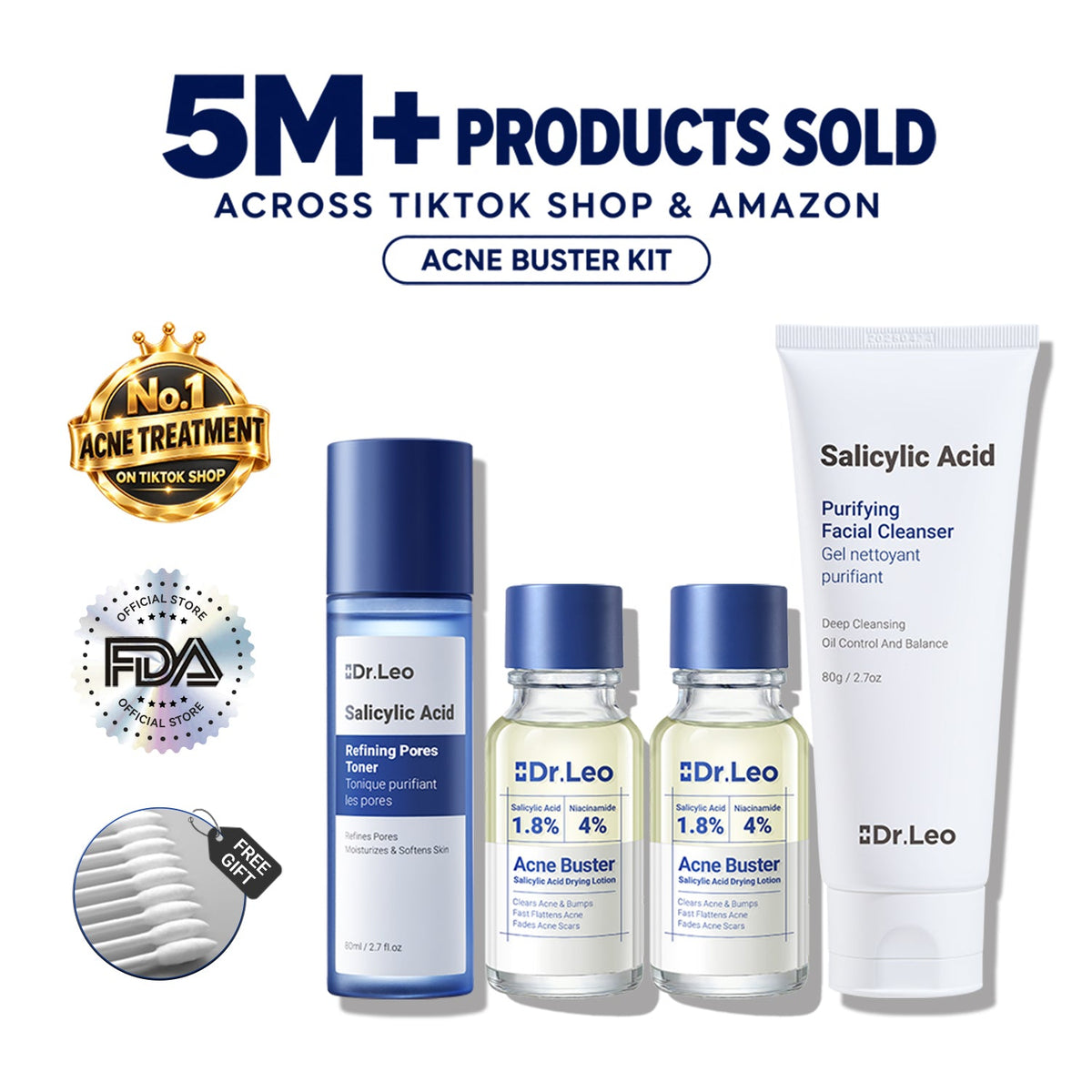
If clogged pores and excess oil are also concerns, a product such as Dr.Leo Salicylic Acid Refining Pores Toner may be considered as a targeted exfoliating step. Introduce it gradually and avoid combining it with too many other exfoliating treatments.
6. Skipping Moisturizer
One common misconception is that oily skin does not need moisturizer.
In reality, oil production and skin hydration are two different things. Your skin can produce excess sebum while still experiencing dryness or dehydration.
Skipping moisturizer does not directly cause your sebaceous glands to produce more oil. However, it can leave your skin without the hydration and barrier support it needs.
Look for a lightweight moisturizer that feels comfortable on oily skin. Gel and jelly textures may be good options if you dislike the heavy sensation of traditional creams.
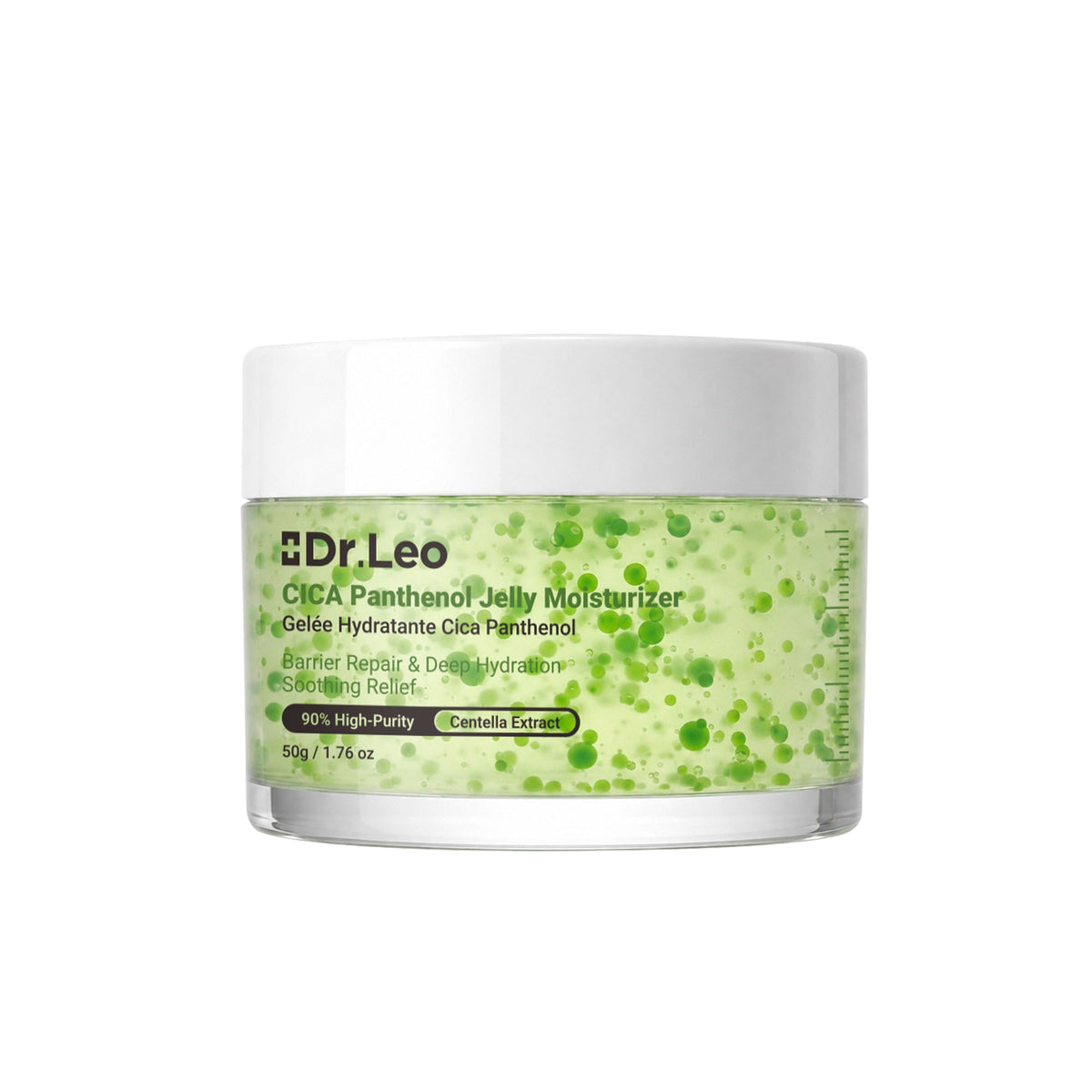
Dr.Leo CICA Panthenol Jelly Moisturizer is one option for people who prefer lightweight hydration. Its CICA and Panthenol-focused formula, combined with Hyaluronic Acid, is designed to help maintain hydration and support skin barrier comfort without the heavy feeling of a traditional cream.
7. Using Skincare Products That Do Not Match Your Skin
Not every skincare product is suitable for every skin type.
Heavy textures, overly harsh cleansers, or products containing ingredients that irritate your skin may make your routine uncomfortable.
If your face frequently feels greasy, tight, or irritated, review the products you use and consider whether their formulas and textures match your skin's needs.
A simple routine with gentle cleansing, appropriate hydration, and targeted treatments when needed is often easier to maintain.
How to Tell If You Have Oily Skin
Not sure whether you have oily skin or combination skin? Paying attention to how your face looks and feels throughout the day can help you identify your skin type.
Common Signs of Oily Skin
- Persistent shine: Your face looks shiny or greasy, especially across the forehead, nose, and chin.
- Visible pores: Pores may appear more noticeable in areas with higher sebum production.
- Frequent clogged pores: You may experience blackheads, whiteheads, or other forms of pore congestion.
- Makeup wears off quickly: Foundation or other makeup products may become shiny or shift during the day.
- Greasy feeling: Your skin may feel oily again relatively soon after cleansing.
How to Do a Simple Blotting Paper Test
A blotting paper test can provide a simple indication of surface oil production.
- Start with a clean, dry face.
- Avoid applying skincare products immediately before the test.
- Wait for approximately 30 minutes to allow your skin's natural surface oils to become noticeable.
- Gently press a clean blotting paper against different areas of your face.
- Observe where oil appears on the paper.
If you notice oil across most areas of your face, you may have oily skin. If oil is mainly concentrated around your forehead, nose, and chin while your cheeks remain relatively dry, you may have combination skin.
This is only a simple observation method, not a medical diagnosis or a definitive way to determine your skin type.
Why Is My Skin So Oily All of a Sudden?
If your skin has recently become oilier than usual, consider whether anything has changed in your daily routine or environment.
Some possible reasons include:
- Hormonal fluctuations: Changes in hormone levels may influence sebum production.
- Seasonal changes: Warmer weather and higher humidity may make surface oil more noticeable.
- New skincare products: A product with an unsuitable texture or formula may leave your skin feeling greasy.
- Changes in cleansing habits: Over-cleansing or switching to a harsh cleanser may contribute to skin discomfort.
- Changes in your skin condition: Stress, medication, and certain health-related factors may influence your skin.
If the change is sudden, persistent, or accompanied by other unusual symptoms, consider consulting a dermatologist or healthcare professional to understand the possible cause.
How to Manage Oily Skin: 5 Practical Skincare Tips
Although you cannot completely change your natural skin type, you can build a routine that helps manage excess surface oil and supports your skin's overall condition.
1. Use a Gentle Cleanser Twice a Day
Start with a gentle facial cleanser in the morning and evening. Cleansing helps remove sweat, dirt, and excess surface oil that accumulate throughout the day.
Avoid harsh formulas that leave your face feeling tight or stripped. If you exercise or sweat heavily, cleanse afterward rather than repeatedly washing your face throughout the day.
Choose a cleanser that fits your skin's needs. Dr.Leo Polyamino Acid Purifying Facial Cleanser is an option for people looking for a gentle daily cleansing formula.
2. Choose a Lightweight Moisturizer
Oily skin still needs hydration. Instead of skipping moisturizer, choose a lightweight formula that feels comfortable and does not leave an overly heavy finish.
Ingredients such as Panthenol and CICA-derived ingredients are commonly used in skincare products designed to support skin hydration and comfort.
If you prefer a lightweight jelly texture, Dr.Leo CICA Panthenol Jelly Moisturizer can be incorporated into your morning or evening routine.
3. Use Targeted Treatments for Specific Concerns
If you experience clogged pores or occasional pimples, consider using products formulated for those concerns.
Salicylic Acid is commonly used to exfoliate dead skin cells and help clear pore buildup. A targeted spot treatment can be a practical option when you want to care for individual blemishes rather than apply an acne treatment across your entire face.
For individual breakouts, Dr.Leo Acne Drying Lotion Plus contains 1.8% Encapsulated Salicylic Acid, 4% Niacinamide, 10% Colloidal Sulfur, and 15% Zinc Oxide. Its two-phase formula is designed for direct application to individual blemishes using a clean cotton swab.
Follow the product directions and avoid applying it as an all-over facial moisturizer or cleanser.
4. Add Clay-Based Cleansing When Appropriate
Clay-based skincare products can be an additional option for people who want to remove excess surface oil and impurities.
Look for products with clear usage instructions and avoid using them too frequently, especially if your skin becomes dry or uncomfortable.
Dr.Leo Volcano Cleansing Clay Stick combines 16% Kaolin Clay, 4% Activated Charcoal, and Volcanic Clay to help absorb excess surface oil and remove impurities. It can be used as an occasional cleansing treatment, particularly on areas such as the T-zone.
Use it according to the product directions rather than replacing your regular daily facial cleanser.
5. Wear Sunscreen Every Day
Daily sun protection is important for every skin type, including oily skin.
Choose a broad-spectrum sunscreen with SPF 30 or higher. If you dislike heavy textures, consider a lightweight sunscreen that feels comfortable on your skin.
Reapply according to the product directions, especially after sweating, swimming, or prolonged outdoor exposure.
Best Skincare Products for Oily Skin
Choosing the right products can make your daily skincare routine easier to maintain. Rather than trying to eliminate all natural oil, focus on products that address specific needs such as gentle cleansing, hydration, and targeted blemish care.
Gentle Cleanser for Daily Oil and Impurity Removal
A suitable cleanser helps remove excess surface oil, sweat, and daily impurities without unnecessarily stripping your skin.
Dr.Leo Polyamino Acid Purifying Facial Cleanser uses APG and amino acid surfactants and is designed for gentle daily cleansing. It can be considered if you want to remove everyday impurities while maintaining skin comfort.
Use it as the cleansing step in your morning and nighttime routine according to the product directions.
Lightweight Moisturizer for Oily and Sensitive Skin
If your skin feels greasy easily, a heavy moisturizer may not be your preferred option.
Dr.Leo CICA Panthenol Jelly Moisturizer features a lightweight jelly texture designed for oily and sensitive skin. Its formula combines CICA, Panthenol, and Hyaluronic Acid to support skin hydration, comfort, and barrier care.
It is an option for people who want to maintain hydration without the heavy feeling they may associate with traditional creams.
Clay-Based Cleansing for Areas With Excess Oil
If you frequently notice excess oil, blackheads, or visible pore buildup, a clay-based cleansing product may complement your regular skincare routine.
Dr.Leo Volcano Cleansing Clay Stick combines Volcanic Clay, 16% Kaolin Clay, and 4% Activated Charcoal. It is designed to help cleanse away excess surface oil and impurities.
Use it according to the product directions as an additional cleansing step rather than replacing your daily facial cleanser.
Targeted Spot Treatment for Individual Blemishes
If oily skin is accompanied by occasional breakouts, a targeted treatment may be useful for individual blemishes.
Dr.Leo Acne Drying Lotion Plus features a two-phase formula containing 1.8% Encapsulated Salicylic Acid, 4% Niacinamide, 10% Colloidal Sulfur, and 15% Zinc Oxide.
Its liquid and powder layers are designed for direct application to individual blemishes using a clean cotton swab. Follow the product directions and avoid applying it across your entire face.
Build a Simple Daily Routine for Oily Skin
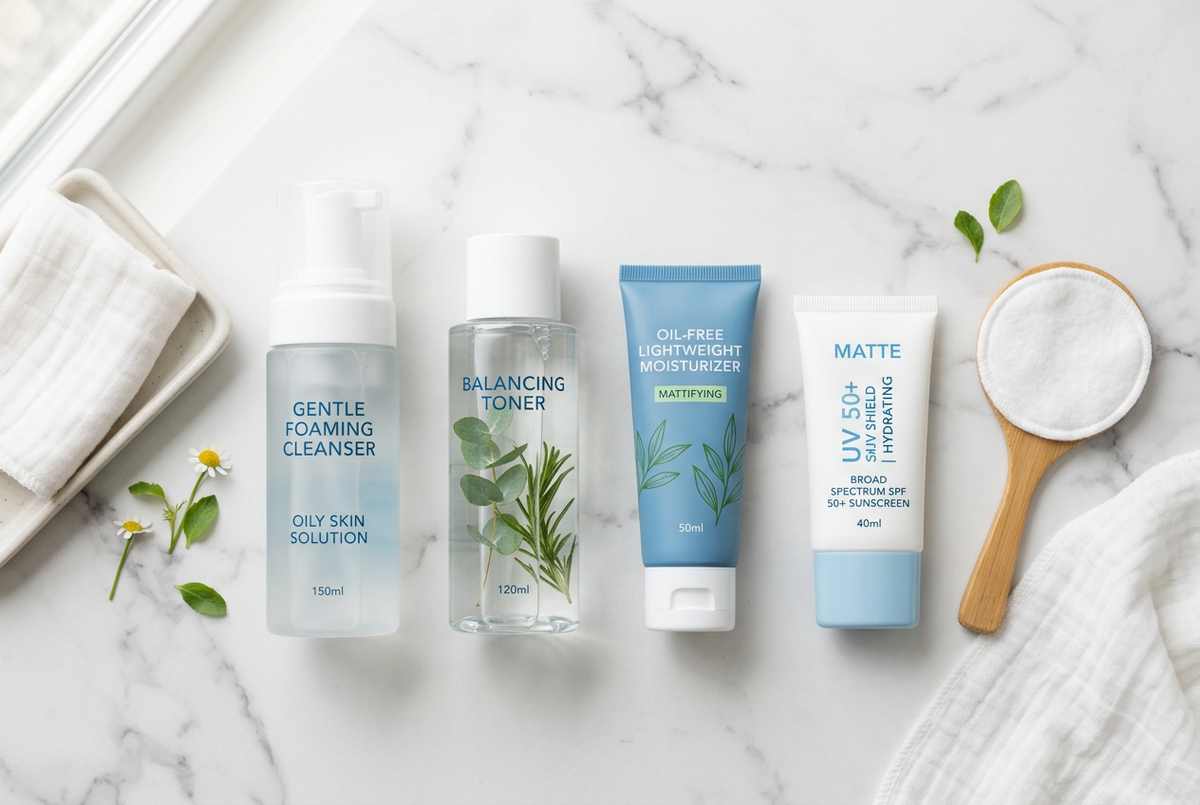
You don't need an extensive skincare routine to care for oily skin. Focus on a few essential steps that address cleansing, hydration, and protection.
Morning Routine
- Cleanse: Use a gentle facial cleanser to remove overnight oil and impurities.
- Moisturize: Apply a lightweight moisturizer to help maintain hydration.
- Protect: Finish with broad-spectrum SPF 30 or higher sunscreen.
Nighttime Routine
- Remove makeup and sunscreen: Use an appropriate makeup remover or cleansing product if needed.
- Cleanse: Gently wash away daily oil, sweat, and impurities.
- Treat: Apply a suitable targeted treatment to individual blemishes when needed.
- Moisturize: Finish with a lightweight moisturizer to support skin hydration.
If you use exfoliating acids, retinoids, or other acne treatments, introduce them gradually and avoid combining too many potentially irritating products at once.
When Should You See a Dermatologist About Oily Skin?
Oily skin is generally a normal skin characteristic, but certain changes may require professional attention.
Consider consulting a dermatologist if:
- Your skin suddenly becomes much oilier without an obvious explanation.
- You experience persistent or severe acne.
- Your skin develops ongoing redness, itching, or irritation.
- You notice painful breakouts, scarring, or other persistent skin changes.
- Over-the-counter skincare products are not helping with your concerns.
A dermatologist can help identify potential contributing factors and recommend an appropriate treatment plan based on your skin condition.
Take a More Balanced Approach to Oily Skin
If you've been wondering, "Why is my skin so oily?", the answer may involve several factors rather than one single cause. Genetics, hormones, environmental conditions, and skincare habits can all influence how your skin looks and feels.
Instead of trying to remove every trace of natural oil, focus on gentle cleansing, appropriate hydration, and targeted care for specific concerns.
Dr.Leo offers skincare options for oily and blemish-prone skin, including a gentle facial cleanser, a lightweight CICA Panthenol moisturizer, a clay cleansing stick, and a targeted acne spot treatment.
Choose products that match your skin's needs and build a simple routine you can maintain consistently.
Explore Dr.Leo CICA Panthenol Jelly Moisturizer for lightweight hydration, or discover Dr.Leo Polyamino Acid Purifying Facial Cleanser for a gentle daily cleansing step.