Best Skincare Routine for Oily Skin: A Step-by-Step Guide
Dealing with shiny skin, excess oil, or frequent breakouts? If you have oily skin, finding the right skincare routine can feel challenging. Using too many products or choosing harsh formulas may leave your skin feeling dry and uncomfortable, while skipping moisturizer can make it harder to maintain a balanced routine.
The best skincare routine for oily skin doesn't need to be complicated. A combination of gentle cleansing, lightweight hydration, targeted treatments, and daily sun protection can help you care for oily skin without overloading it with unnecessary products.
In this guide, you'll learn how to build a simple morning and nighttime skincare routine, choose the right products for your skin type, and address common concerns such as excess oil, clogged pores, and acne-prone skin.
Key Takeaways
- Keep your routine simple: Focus on cleansing, moisturizing, and sun protection rather than using too many products.
- Choose a gentle cleanser: A mild face wash helps remove excess oil, dirt, and impurities without unnecessarily stripping your skin.
- Don't skip moisturizer: Oily skin still needs hydration. Choose a lightweight moisturizer that feels comfortable on your skin.
- Use targeted treatments: If you experience clogged pores or occasional breakouts, consider adding suitable pore-care products or an acne spot treatment.
- Protect your skin daily: Use broad-spectrum SPF 30 or higher sunscreen during the day.
Understanding Oily Skin: Why Does Your Face Get So Oily?
Oily skin is characterized by excess sebum production. Sebum is the natural oil produced by sebaceous glands to help lubricate and protect the skin.
While sebum plays an important role in maintaining skin health, excess oil can contribute to a shiny appearance and may combine with dead skin cells to clog pores.
People with oily skin may commonly experience:
- A shiny or greasy appearance, especially across the forehead, nose, and chin.
- Visible pores, particularly around the T-zone.
- Frequent blackheads and whiteheads.
- Occasional pimples and breakouts.
- Makeup that becomes shiny or wears off more quickly.
Oily skin can also be influenced by genetics, hormonal changes, environmental conditions, and individual skincare habits. Understanding your skin's needs is the first step toward building a suitable routine.
What Is the Best Skincare Routine for Oily Skin?
A good skincare routine for oily skin should focus on maintaining a balance between cleansing, hydration, and protection. You don't need a complicated 10-step routine to care for your skin.
For most people, a practical routine can be divided into two main parts: morning skincare and nighttime skincare.
Morning Skincare Routine for Oily Skin
Your morning routine should help remove overnight oil buildup, maintain hydration, and protect your skin throughout the day.
Step 1: Cleanse with a Gentle Facial Cleanser
Start your morning with a gentle facial cleanser designed for your skin type. Overnight, sweat, excess sebum, and skincare residue can accumulate on your skin.
A suitable cleanser helps remove these impurities and leaves your skin feeling fresh without creating an overly tight or stripped sensation.
When choosing a face wash for oily skin, consider the following:
- A gentle formula that cleanses without excessive dryness.
- A texture that is comfortable for daily use.
- Ingredients that support your cleansing needs without unnecessary irritation.
- A formula suitable for your skin type.
Avoid assuming that a stronger cleanser is always better for oily skin. Over-cleansing and aggressive scrubbing can irritate your skin and make your routine harder to maintain.
For a gentle daily cleansing option, consider Dr.Leo Polyamino Acid Purifying Facial Cleanser. Its APG and amino acid surfactant system helps remove dirt, oil, and everyday impurities while maintaining skin comfort.
Step 2: Apply a Lightweight Moisturizer
One of the most common mistakes people with oily skin make is skipping moisturizer. Because their skin already produces excess oil, they may assume that additional hydration is unnecessary.
However, oil and hydration are not the same thing. Your skin can produce excess sebum and still experience dryness or dehydration.
Look for a moisturizer with:
- A lightweight texture that feels comfortable on oily skin.
- Hydrating ingredients that help maintain skin moisture.
- Ingredients that support the skin barrier.
- A non-greasy finish that fits your daily routine.
A lightweight gel or jelly moisturizer can be a good option if you dislike the heavy feeling of traditional creams.
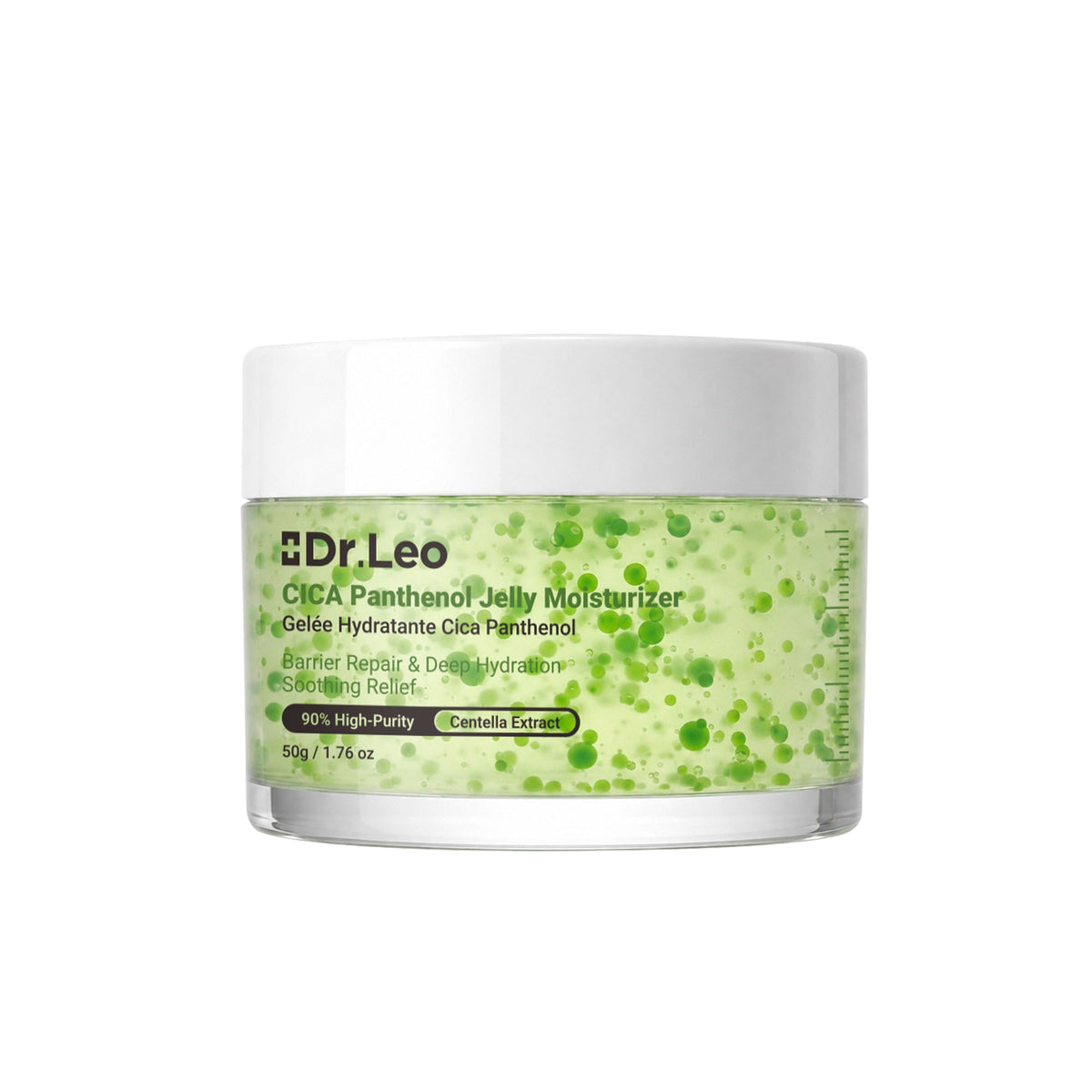
Dr.Leo CICA Panthenol Jelly Moisturizer is one option to consider. Its lightweight hydro-gel texture combines Centella Asiatica, Panthenol, and Hyaluronic Acid to provide hydration and help soothe skin discomfort without the heavy feel of a traditional cream.
Step 3: Apply Broad-Spectrum Sunscreen
Sunscreen is an essential part of a morning skincare routine, regardless of your skin type.
Choose a broad-spectrum sunscreen with SPF 30 or higher. If you have oily or acne-prone skin, consider formulas labeled oil-free or non-comedogenic that feel comfortable on your face.
Apply sunscreen as the final step of your morning skincare routine before makeup. Reapply according to the product directions, particularly after sweating, swimming, or spending extended time outdoors.
Nighttime Skincare Routine for Oily Skin
Your nighttime routine is an opportunity to remove the day's buildup and give your skin appropriate care before bed.
Step 1: Remove Makeup and Daily Impurities
If you wear makeup or water-resistant sunscreen, make sure to remove them thoroughly before cleansing your face.
You can use a suitable makeup remover or cleansing product before your regular facial cleanser, depending on what you wear and how much buildup needs to be removed.
Avoid rubbing or scrubbing your skin aggressively, especially if you experience frequent breakouts.
Step 2: Cleanse Your Face
Use a gentle facial cleanser to remove remaining oil, dirt, sweat, and impurities.
Consistent cleansing helps maintain a clean skin surface without relying on harsh products that may cause unnecessary irritation.
If you are looking for a daily cleanser, Dr.Leo Polyamino Acid Purifying Facial Cleanser can be incorporated into both your morning and evening routines according to its directions.
Step 3: Apply a Targeted Acne or Pore-Care Treatment If Needed
If you experience individual pimples, clogged pores, or occasional breakouts, you may consider adding a targeted treatment to your nighttime routine.
Different skincare ingredients serve different purposes. For example:
- Salicylic Acid: Helps exfoliate dead skin cells and address pore buildup.
- Sulfur: Helps absorb excess surface oil and is commonly used in products for blemish-prone skin.
- Niacinamide: Helps support the skin barrier and maintain a balanced-looking complexion.
Choose a product that matches your skin concerns and follow its application instructions. Avoid combining too many active ingredients at once, as this may increase the risk of dryness and irritation.
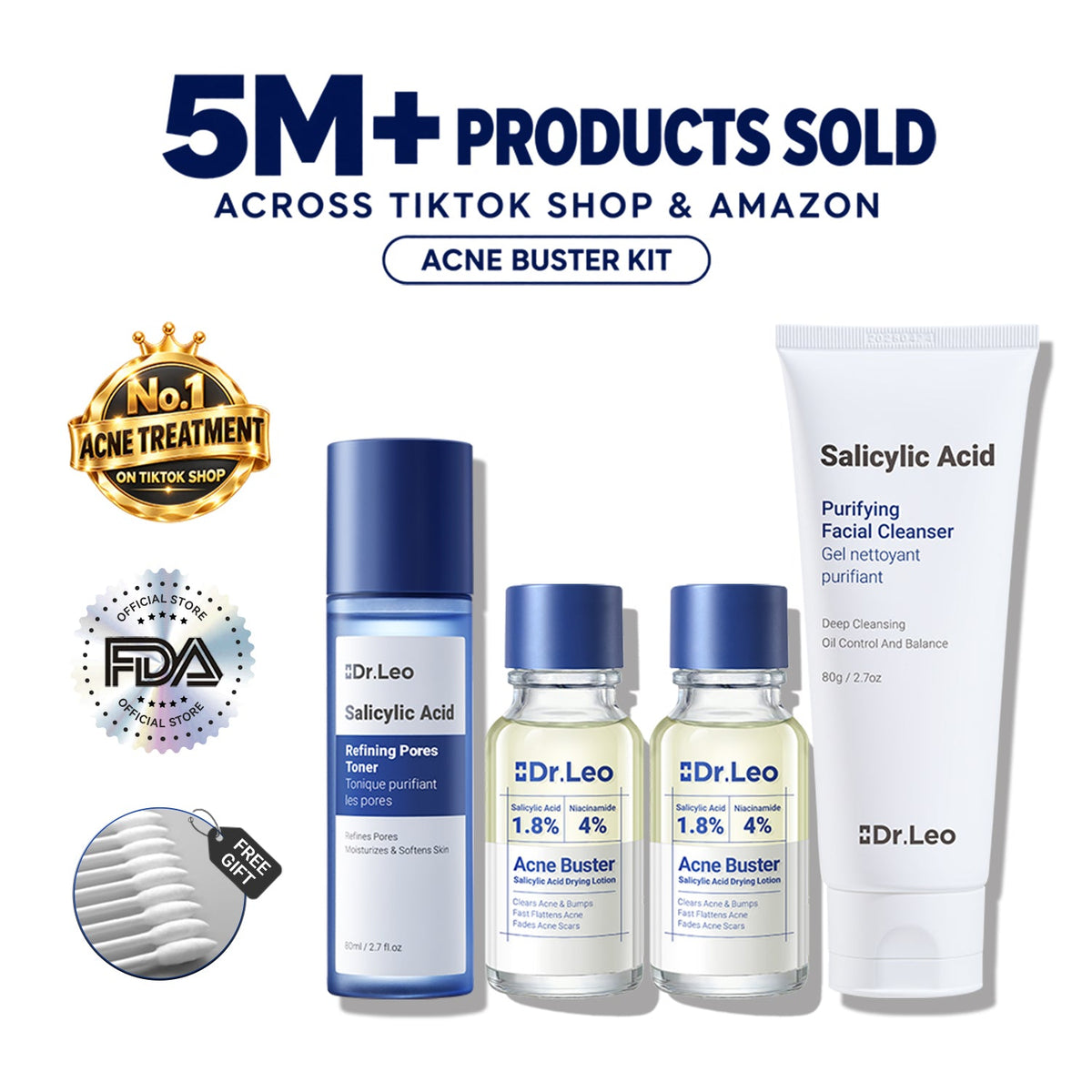
If clogged pores and excess oil are your main concerns, Dr.Leo Salicylic Acid Refining Pores Toner is an option for additional pore care. Its formula combines Salicylic Acid, AHA, and Lactobionic Acid to help exfoliate dead skin cells and improve the appearance of clogged pores.
For occasional individual blemishes, Dr.Leo Acne Drying Lotion Plus offers targeted spot care. Its two-phase formula contains 1.8% Encapsulated Salicylic Acid, 4% Niacinamide, 10% Colloidal Sulfur, and 15% Zinc Oxide.
Allow the liquid and powder layers to separate, then use a clean cotton swab to pick up the powder and apply it directly to individual blemishes. Do not shake the bottle or apply the product across your entire face.
If you are new to exfoliating acids, introduce the toner gradually and avoid layering it with other intensive exfoliating treatments until you know how your skin responds.
Step 4: Moisturize Before Bed
Finish your nighttime routine with a suitable moisturizer.
Even if your face becomes shiny throughout the day, maintaining hydration is still important. A lightweight moisturizer can help your skin feel comfortable without the heavy or greasy sensation you may dislike.
Look for a formula that complements your skin type and fits comfortably into your existing routine.
For people who prefer lightweight hydration, Dr.Leo CICA Panthenol Jelly Moisturizer combines CICA and Panthenol with Hyaluronic Acid to help maintain moisture and support skin barrier comfort.
How to Choose the Right Skincare Products for Oily Skin
Choosing products for oily skin can be confusing because many formulas claim to control oil, reduce shine, or prevent breakouts. Instead of focusing only on marketing claims, consider what each product actually does and whether it matches your skin's needs.
1. Choose a Gentle Cleanser Instead of an Overly Harsh Face Wash
A cleanser should remove excess oil, dirt, and daily impurities without leaving your skin feeling excessively dry.
Look for a gentle formula that can be used consistently. If your skin feels tight or irritated after cleansing, your current cleanser may be too harsh for your needs.
For oily and blemish-prone skin, a mild daily cleanser can provide a practical foundation for the rest of your skincare routine.
2. Look for Lightweight Moisturizers
Many people with oily skin avoid moisturizer because they dislike thick or greasy textures. However, the right moisturizer can help maintain hydration without making your skin feel unnecessarily heavy.
Consider lightweight gel or jelly textures that absorb comfortably and provide hydration as part of your daily routine.
Ingredients such as Panthenol and Centella Asiatica are commonly used in skincare formulas designed to support skin comfort and barrier care.
3. Choose Targeted Treatments for Specific Skin Concerns
If you experience clogged pores, blackheads, or occasional pimples, consider adding a product that addresses your specific concern rather than using multiple treatments across your entire face.
For example, a salicylic acid toner may be suitable for additional pore care, while a clay-based cleansing product can complement your routine when you want additional cleansing for areas with excess surface oil.
Dr.Leo Volcano Cleansing Clay Stick is an occasional cleansing treatment formulated with 16% Kaolin Clay, 4% Activated Charcoal, and Volcanic Clay. It can be used on areas where excess oil and visible impurities are a concern.
Follow the product directions and avoid overusing clay-based treatments if your skin becomes dry or uncomfortable.
Common Skincare Mistakes to Avoid If You Have Oily Skin
Sometimes, the problem isn't the number of products you use but how you use them. Certain habits can make oily skin feel more uncomfortable and may contribute to irritation.
1. Washing Your Face Too Frequently
It may seem logical to wash your face whenever it starts looking shiny. However, cleansing too frequently can irritate your skin.
For most people, washing the face up to twice daily and after sweating is a reasonable starting point. Use a gentle cleanser rather than repeatedly stripping away your skin's natural oils.
2. Skipping Moisturizer
Oily skin still needs hydration. Skipping moisturizer may leave your skin feeling uncomfortable, especially when using exfoliating ingredients or acne treatments.
Instead of avoiding moisturizer altogether, find a lightweight formula that suits your skin.
3. Using Too Many Active Ingredients
Combining multiple exfoliating acids, acne treatments, and other active ingredients without considering compatibility can increase the risk of irritation.
Introduce new products gradually, follow their directions, and give your skin time to adjust.
4. Scrubbing Your Face to Remove Oil
Scrubbing may temporarily make your skin feel cleaner, but aggressive exfoliation can damage the skin's protective barrier and cause irritation.
Use gentle cleansing techniques and avoid harsh physical scrubs, especially when your skin is already irritated.
5. Choosing Heavy Products That Feel Uncomfortable
If you dislike the greasy feeling of traditional creams, you may be tempted to skip moisturizing altogether.
Instead, try lightweight textures such as gels or jelly moisturizers. The goal is to find products that provide the care your skin needs while remaining comfortable to use consistently.
What Is the Best Skincare Routine for Oily Acne-Prone Skin?
If you have both oily and acne-prone skin, your routine should address two related but different concerns: excess surface oil and individual blemishes.
The goal is not to dry out your skin as much as possible. Instead, build a routine that supports gentle cleansing, appropriate hydration, and targeted acne care.
A simple routine may look like this:
Morning Routine
- Cleanse: Use a gentle facial cleanser.
- Moisturize: Apply a lightweight moisturizer.
- Protect: Finish with broad-spectrum SPF 30 or higher sunscreen.
Nighttime Routine
- Remove makeup and sunscreen: Use a suitable makeup remover if needed.
- Cleanse: Wash away daily oil, sweat, and impurities.
- Treat: Use a suitable pore-care product or targeted acne treatment when needed.
- Moisturize: Finish with a lightweight moisturizer.
Clay-based treatments can also be added periodically when needed. Avoid using a clay mask and multiple exfoliating products too frequently in the same routine.
If you experience frequent or persistent breakouts, a dermatologist can help determine whether you need additional acne treatment beyond a basic skincare routine.
How Dr.Leo Products Fit into an Oily Skin Skincare Routine
Building a skincare routine for oily skin is about choosing products that work together rather than relying on a single product to solve every concern.
Dr.Leo offers products for oily, acne-prone, and sensitive skin. Here are several options that can complement different steps of an oily skin routine.
Dr.Leo Polyamino Acid Purifying Facial Cleanser
A daily cleanser is the foundation of an oily skin routine. Dr.Leo Polyamino Acid Purifying Facial Cleanser uses APG and amino acid surfactants to help remove dirt, excess oil, and daily impurities while maintaining skin comfort.
It can be incorporated into a morning and nighttime cleansing routine for people who prefer a gentle cleansing experience.
Dr.Leo CICA Panthenol Jelly Moisturizer
Oily skin still needs hydration, but the texture of a moisturizer can make a big difference to your daily experience.
Dr.Leo CICA Panthenol Jelly Moisturizer features a lightweight hydro-gel texture with Centella Asiatica, Panthenol, and Hyaluronic Acid. It is designed to provide hydration, soothe skin discomfort, and support skin barrier care.
Its lightweight texture makes it an option for people who want hydration without the heavy sensation of traditional creams.
Dr.Leo Acne Drying Lotion Plus
If occasional blemishes are part of your oily skin concerns, a targeted spot treatment can complement your regular routine.
Dr.Leo Acne Drying Lotion Plus features a two-phase formula containing:
- 1.8% Encapsulated Salicylic Acid.
- 4% Niacinamide.
- 10% Colloidal Sulfur.
- 15% Zinc Oxide.
Its liquid and powder layers are designed for direct application to individual blemishes using a clean cotton swab. Follow the product directions and avoid applying it across your entire face.
Dr.Leo Volcano Cleansing Clay Stick
For people who want an additional cleansing step for areas with excess oil and visible blackheads, a clay-based cleansing product may complement their routine.
Dr.Leo Volcano Cleansing Clay Stick features 16% Kaolin Clay, 4% Activated Charcoal, and Volcanic Clay. Its formula is designed to help absorb excess surface oil and remove impurities.
Use it according to the product directions, generally 2–3 times per week, rather than replacing your regular daily facial cleanser.
Dr.Leo Salicylic Acid Refining Pores Toner
If clogged pores, excess sebum, and uneven skin texture are among your main concerns, an exfoliating toner may be another option to consider.
Dr.Leo Salicylic Acid Refining Pores Toner combines Salicylic Acid, AHA, and Lactobionic Acid to help exfoliate dead skin cells and improve the appearance of clogged pores.
Introduce it gradually, follow the product instructions, and avoid combining it with too many other exfoliating treatments in the same routine.
Build a Simple Routine That Works for Your Skin
The best skincare routine for oily skin isn't necessarily the one with the most products. It's the one that addresses your skin's needs while remaining comfortable and practical enough to follow consistently.
Start with three essentials: a gentle cleanser, a suitable moisturizer, and daily sunscreen. If you have additional concerns such as clogged pores or occasional breakouts, introduce targeted products gradually.
Pay attention to how your skin responds and adjust your routine when necessary. If persistent acne or excessive oiliness continues to concern you, consider consulting a board-certified dermatologist for personalized guidance.
With the right combination of cleansing, hydration, and targeted care, you can build a more balanced skincare routine for oily skin.
Explore Dr.Leo Polyamino Acid Purifying Facial Cleanser and Dr.Leo CICA Panthenol Jelly Moisturizer to build a gentle cleansing and hydration foundation for your daily routine.