The Full-Body Blackhead Map: Why They Form Anywhere and How to Clear Them From Head to Toe
When most people think of blackheads, they picture the small dark spots around the nose and chin. But blackheads can develop on other areas of the body, too. If you have noticed stubborn dark pores on your back, chest, shoulders, thighs, or around your ears, you may be dealing with body blackheads.
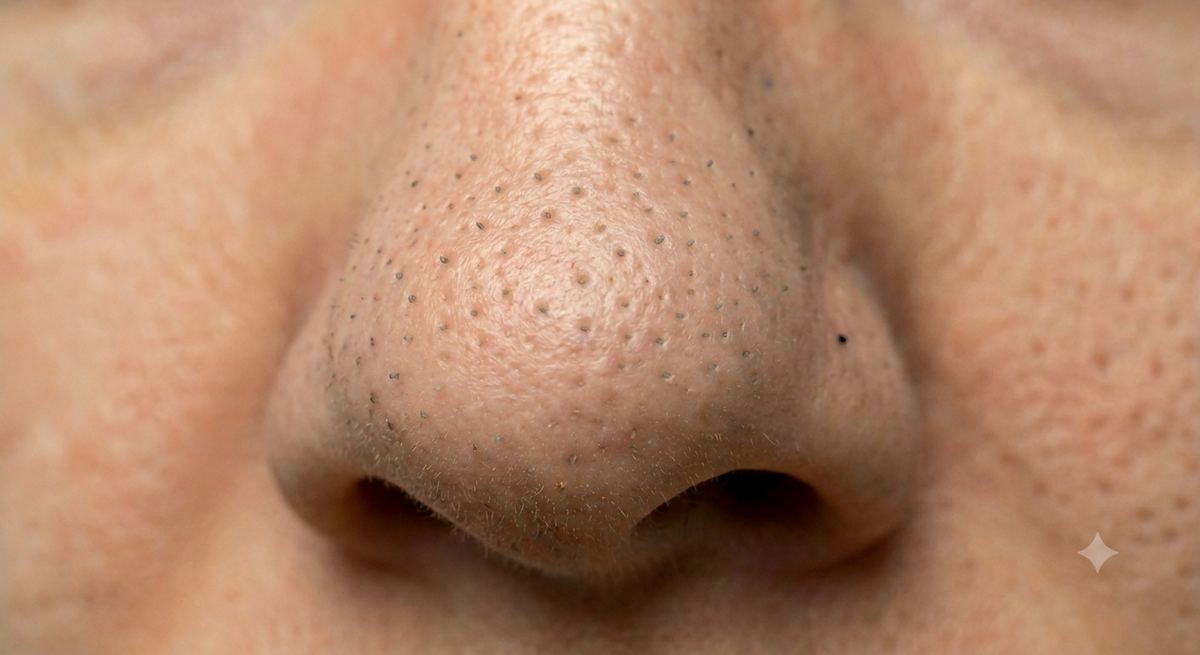
Blackheads form when excess sebum and dead skin cells clog a hair follicle. When the opening remains exposed to air, the material inside oxidizes and appears dark. Because areas such as the back, chest, and shoulders also contain many oil-producing glands, they can develop clogged pores just like the face.
The good news is that understanding where and why body blackheads form makes them easier to manage.
Can You Get Blackheads on Your Body?
Yes. Blackheads can develop anywhere the skin has hair follicles and sebaceous glands, including the back, chest, shoulders, thighs, and outer ear.
They are especially common in areas where several factors come together:
- Excess oil production
- Dead skin cell buildup
- Sweat and occlusion
- Tight clothing
- Repeated friction
- Heavy or pore-clogging products
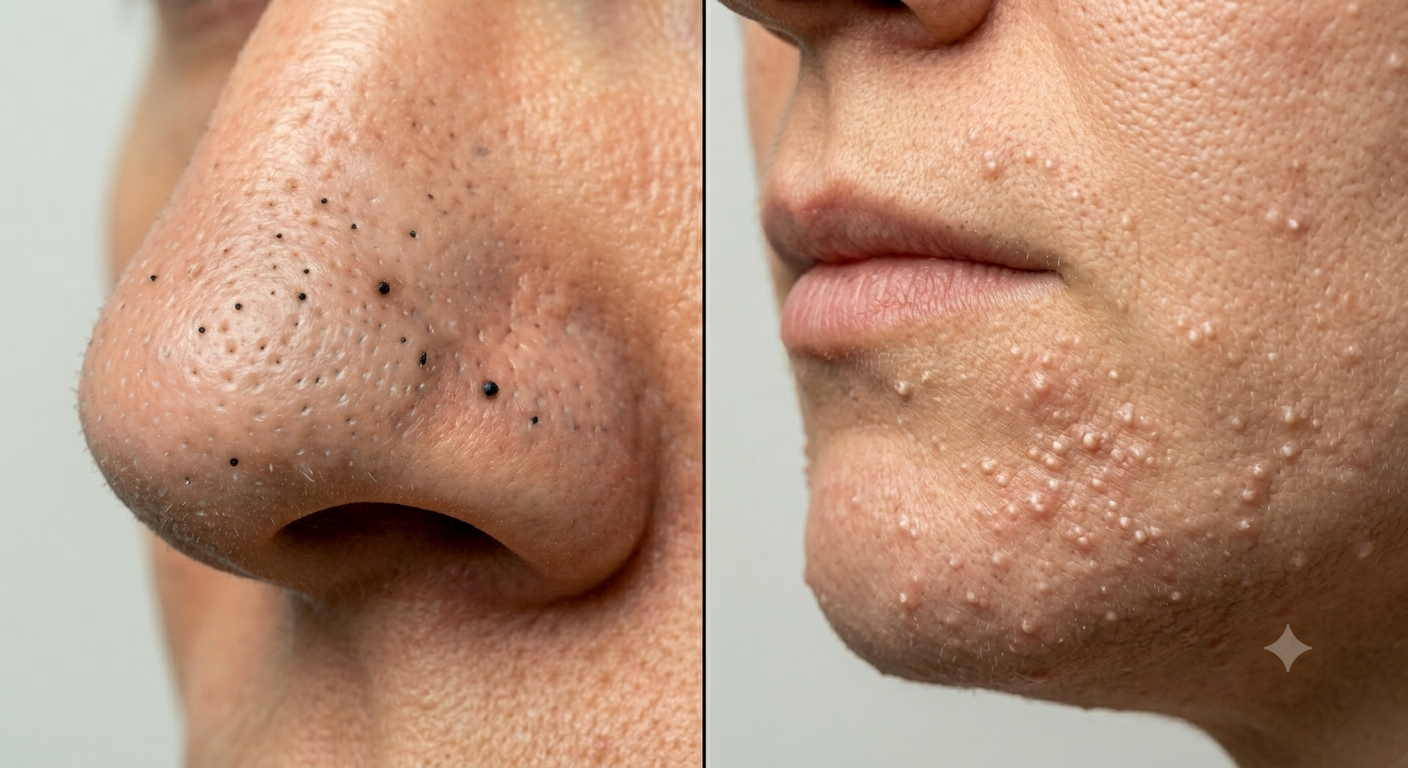
However, not every dark spot on the body is a blackhead. Some may be enlarged pores, ingrown hairs, keratin plugs, or other types of skin lesions.
Where Do Body Blackheads Commonly Appear?
Blackheads on the Back
The back is one of the most common places to develop body blackheads because it contains numerous sebaceous glands. Sweat, oil, dead skin cells, and tight clothing can create an environment where pores become easily congested.
Workout clothing can make the problem worse by trapping sweat against the skin and creating repeated friction.
If your back bumps are painful, inflamed, or widespread rather than simply dark open pores, they may be acne rather than isolated blackheads.
Blackheads on the Chest and Shoulders
The chest and shoulders can also develop clogged pores because these areas contain active hair follicles and oil glands.
Sweat, body products, sunscreen, and friction from clothing can contribute to congestion. Heavy creams or oils may also leave residue on the skin and increase the likelihood of clogged pores.
Blackheads on the Thighs and Other Friction Areas
Blackheads can sometimes appear on the inner thighs, underarms, or other areas where skin repeatedly rubs against skin or clothing.
Friction and trapped sweat can irritate the follicles, while dead skin cells and sebum contribute to pore congestion.
If dark marks and bumps appear together on the inner thighs, it is important to distinguish blackheads from post-inflammatory hyperpigmentation or ingrown hairs.
Blackheads in and Around the Ears
The outer ear and the skin behind the ears contain oil-producing glands, making them another possible location for clogged pores.
Hair products, sweat, natural oils, and residue from cleansing products can accumulate around this area. Because the ears are often overlooked during routine cleansing, clogged pores may remain unnoticed for longer.
Avoid squeezing blackheads around the ear, especially if the area is painful or inflamed.
Related Guide: If you specifically struggle with clogged pores around the ears, see our guide to Blackheads in Ear: Why They Happen and How to Remove Them Safely

Why Do Body Blackheads Form?
Body blackheads usually develop through a combination of excess sebum, dead skin cell buildup, and pore blockage.
Several everyday factors can make body congestion more likely:
Excess Oil and Dead Skin Cells
When sebum mixes with dead skin cells inside a hair follicle, it can form a plug. If the follicle opening remains exposed, the plug can oxidize and appear black.
Sweat and Occlusion
Sweat does not directly cause blackheads, but keeping sweat, oil, and debris trapped against the skin can contribute to clogged pores.
This is particularly relevant after exercise or when wearing tight, non-breathable clothing for long periods.
Friction
Repeated rubbing from clothing, sports equipment, or skin-on-skin contact can irritate follicles and contribute to congestion. This is commonly associated with acne mechanica.
Heavy Body and Hair Products
Body lotions, oils, sunscreens, and hair products can leave residue on areas such as the back, chest, and shoulders. If a product is too occlusive for your skin, it may contribute to clogged pores.
How to Get Rid of Body Blackheads
Treating body blackheads does not require aggressive scrubbing or extraction. A consistent routine is usually more effective and less irritating.
1. Cleanse the Skin After Sweating
Wash areas prone to congestion after heavy sweating or exercise. Use a gentle cleanser that removes excess oil and residue without leaving the skin feeling stripped.
2. Use Salicylic Acid to Unclog Pores
Salicylic acid (BHA) is a useful option for body blackheads because it can penetrate into oily pores and help loosen the buildup of sebum and dead skin cells.
Depending on your skin's sensitivity, a salicylic acid body wash or leave-on product can be incorporated gradually into your routine.
3. Reduce Friction and Occlusion
Change out of sweaty workout clothes promptly and avoid wearing tight clothing for extended periods when possible.
Reducing repeated friction can help prevent new clogged pores from forming.
4. Choose Lightweight, Non-Comedogenic Products
If you frequently develop blackheads on your back, chest, or shoulders, pay attention to the products that come into contact with these areas.
Lightweight, non-comedogenic formulas are generally a better choice for congestion-prone skin.
5. Avoid Squeezing or Scrubbing Blackheads
Picking, squeezing, or aggressively scrubbing body blackheads can irritate the follicle and increase the risk of inflammation and lingering marks.
Instead, give your exfoliating routine time to gradually loosen the buildup.
How to Prevent Body Blackheads
Once existing congestion improves, prevention becomes just as important.
- Shower or cleanse after heavy sweating.
- Change sweaty clothing promptly.
- Avoid excessive friction from tight clothing.
- Keep hair and body products from sitting on acne-prone areas.
- Choose lightweight, non-comedogenic moisturizers.
- Introduce exfoliating acids gradually rather than over-exfoliating.
- Avoid picking or manually extracting blackheads.
Consistency matters more than using the strongest possible treatment.
When Should You See a Dermatologist?
If your body breakouts are painful, deeply inflamed, widespread, or leaving significant scars, they may be more than simple blackheads.
Persistent bumps can also be caused by acne, folliculitis, keratosis pilaris, or other skin conditions that require a different approach. A dermatologist can help identify the cause and recommend an appropriate treatment.
The Bottom Line
Body blackheads can appear on the back, chest, shoulders, thighs, and other areas where hair follicles and oil glands are present. Excess sebum, dead skin cells, sweat, friction, and product buildup can all contribute to clogged pores.
Instead of aggressively squeezing or scrubbing them, focus on gentle cleansing, appropriate salicylic acid exfoliation, reducing friction, and choosing products that are suitable for congestion-prone skin.
If you also struggle with blackheads on your face, explore our Ultimate Science-Backed Guide to Blackheads: What They Are, How They Form, and How to Stop Them for a deeper look at how blackheads develop and how to prevent them.