Why Do I Have So Many Blackheads? Common Causes & Prevention
If you keep getting blackheads even though you cleanse regularly, you are not necessarily doing anything wrong.
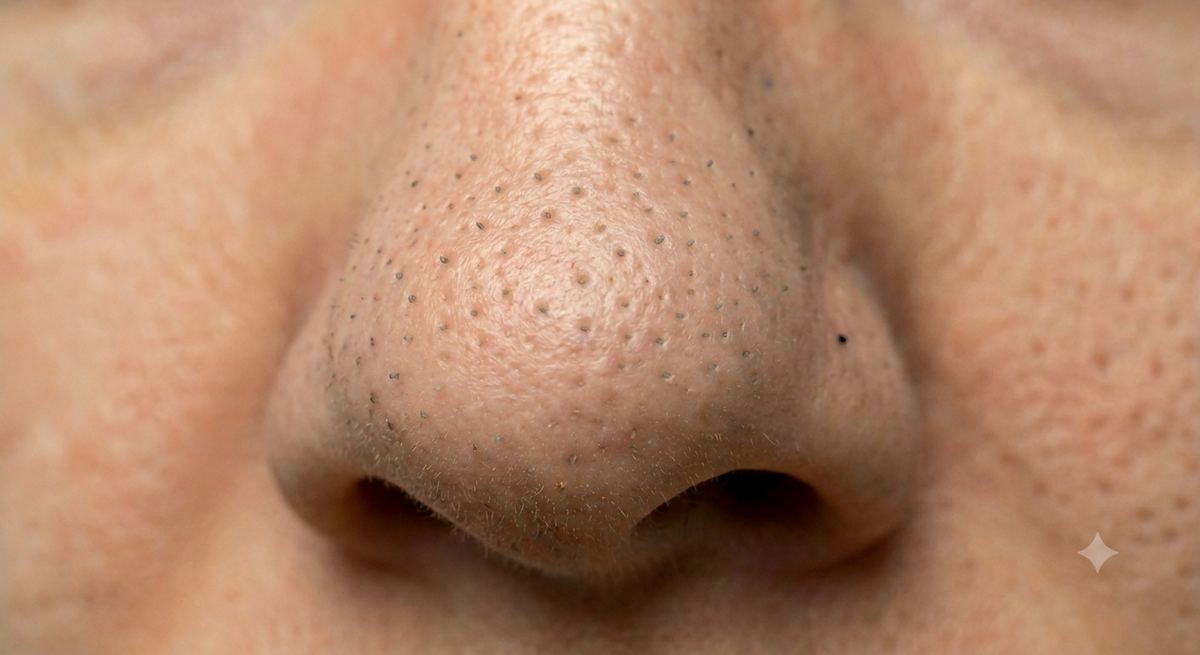
Blackheads are not simply dirt trapped inside your pores. They form when sebum and dead skin cells build up inside a hair follicle while the pore opening remains exposed to the skin's surface.
So if you have a lot of blackheads, the question is usually not how often you wash your face. It is why your skin keeps creating the conditions that allow pores to become clogged.
Common factors include naturally higher oil production, changes in skin cell turnover, certain skincare habits, and other individual factors that can contribute to repeated pore congestion.
Let's look at the most common reasons blackheads keep coming back and what you can do to manage them.
What Causes Blackheads to Keep Coming Back?
Blackheads form when excess sebum and dead skin cells accumulate inside a hair follicle. When the pore opening remains exposed to the surface, the material near the opening darkens, creating the appearance of a blackhead.
Several factors can make this process more likely or contribute to blackheads returning repeatedly.

1. Your Skin Produces More Sebum
Blackheads are more common in areas where sebaceous glands are particularly active, such as the nose, forehead, and chin.
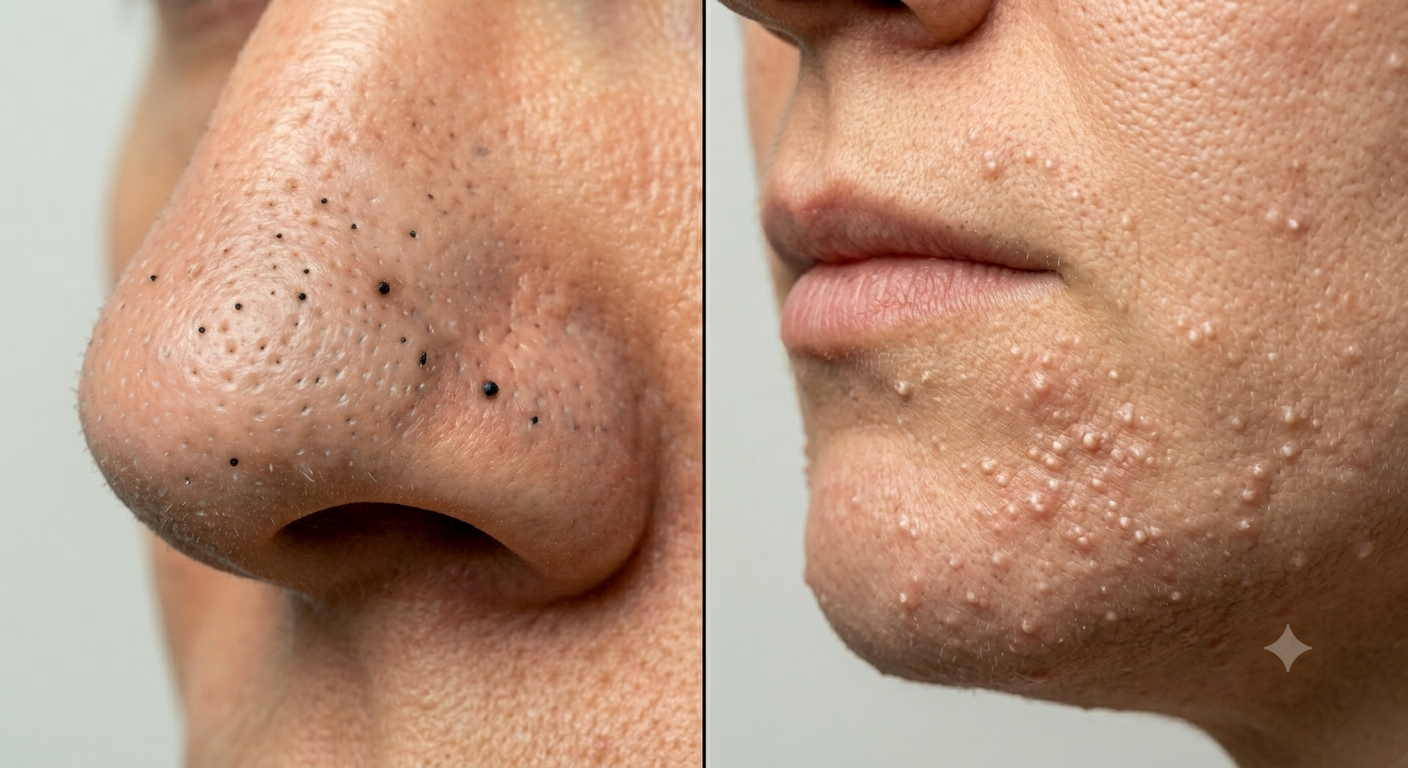
Sebum is a normal part of healthy skin, but when larger amounts of oil mix with dead skin cells inside a follicle, the material can build up and form a comedone.
Genetics, hormones, and your natural skin type can all influence how much sebum your skin produces. This is one reason some people are naturally more prone to recurring blackheads than others.
2. Dead Skin Cells Build Up Inside the Pore
Your skin is constantly shedding old cells. When this shedding process becomes less efficient, dead skin cells can mix with sebum and accumulate inside the follicle.
This buildup creates the foundation for comedones, including blackheads and whiteheads.
In other words, blackheads are not caused by oil alone. Repeated congestion usually involves both sebum and the accumulation of skin cells inside the pore.
3. Some Skincare Products or Habits May Contribute to Congestion
Certain products may not work well for everyone, particularly if they leave the skin feeling excessively heavy or contribute to buildup for an individual.
Frequent picking, aggressive scrubbing, or repeatedly using harsh products can also irritate the skin.
However, having blackheads does not necessarily mean that you have poor hygiene. In fact, washing or scrubbing more aggressively will not physically remove the underlying process that causes comedones.
4. Hormonal Changes Can Affect Oil Production
Hormones can influence the activity of sebaceous glands and affect how much oil the skin produces.
This is why some people notice changes in congestion during certain stages of life or at different points in their hormonal cycle.
If increased oil production occurs alongside slower shedding of skin cells, pores may be more likely to become congested and form blackheads.
5. Sweat, Heat and Product Buildup Can Make Congestion More Noticeable
Heat and sweating do not directly create blackheads on their own, but they can increase surface oil and contribute to the buildup of products and debris on the skin.
Hair products, makeup, sunscreen, and other products may also accumulate around areas that are already prone to congestion, particularly along the forehead and hairline.
Regular cleansing and removing products at the end of the day can help reduce unnecessary buildup on the skin's surface.
Can Diet or Stress Cause Blackheads?
Diet and stress are often discussed in relation to acne, but their effects can vary from person to person.
Some research has explored possible links between high-glycemic diets and acne, while stress may also influence skin conditions in some individuals. However, blackheads are primarily related to the buildup of sebum and dead skin cells inside hair follicles.
If you notice that certain lifestyle factors consistently coincide with changes in your skin, tracking those patterns may help you better understand your individual triggers.
How to Help Prevent Blackheads From Coming Back
Because blackheads can form repeatedly, preventing them is usually about managing the conditions that contribute to pore congestion rather than trying to remove every visible blackhead at once.
Cleanse Consistently Without Over-Scrubbing
Cleanse regularly to remove excess oil, sunscreen, makeup, and surface buildup, but avoid aggressive scrubbing or repeatedly washing your face in an attempt to "clean out" pores.
Consider Pore-Focused Ingredients
Ingredients such as salicylic acid are commonly used for congestion-prone skin because they can help exfoliate inside the pore environment and reduce the buildup of oil and dead skin cells.
For example, a salicylic acid cleanser such as the Dr.Leo Salicylic Acid Cleanser may be incorporated into a routine depending on your skin's needs and tolerance.
Avoid Picking and Squeezing
Repeatedly squeezing blackheads can irritate the surrounding skin and may lead to inflammation or visible marks.
Keep Your Routine Consistent
Blackheads usually do not disappear permanently after one treatment. A consistent routine is generally more useful than constantly switching between multiple strong products or repeatedly over-treating the skin.
Why Do Blackheads Keep Coming Back After I Remove Them?
Blackheads can return because the skin continues to produce sebum and shed dead skin cells.
Removing the visible material from a pore does not stop the follicle from producing oil in the future. If the same conditions that contribute to congestion remain, the pore can gradually accumulate oil and skin cells again.
This is why long-term management usually focuses on reducing repeated buildup rather than relying only on extraction or temporary removal.