Closed Comedones vs. Fungal Acne: How to Tell the Difference
If your skin feels rough, textured, or covered in hundreds of tiny, stubborn bumps that just won't go away, you are not alone. However, treating these bumps effectively requires knowing exactly what they are.
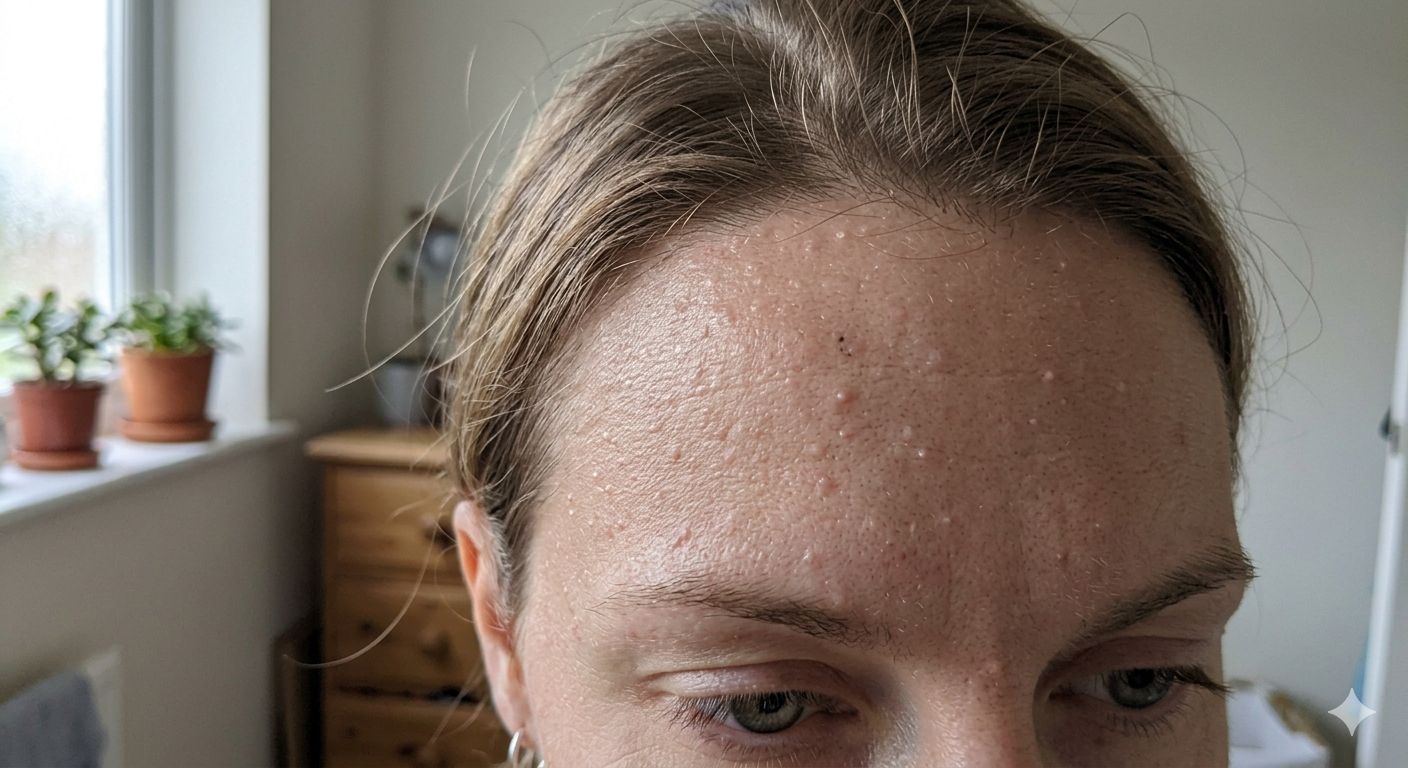
Two of the most frequently misdiagnosed skin conditions are closed comedones (classic clogged pores) and fungal acne (an overgrowth of yeast). Because they can look incredibly similar to the untrained eye, many people blast their skin with the wrong products, leading to damaged skin barriers and worsened flare-ups.
Before you try to clear them, you need to understand what you are dealing with. Start by reviewing our master overview: What Do Closed Comedones Look Like? The Visual Guide to Clogged Pores. Now, let's break down the scientific showdown of fungal acne vs. closed comedones, how to spot the difference, and how to build the proper daily routine for each.
The Biological Difference: What is Happening Inside the Pore?
To understand closed comedones vs fungal acne, we have to look beneath the surface of the skin. They are driven by two completely different biological culprits.
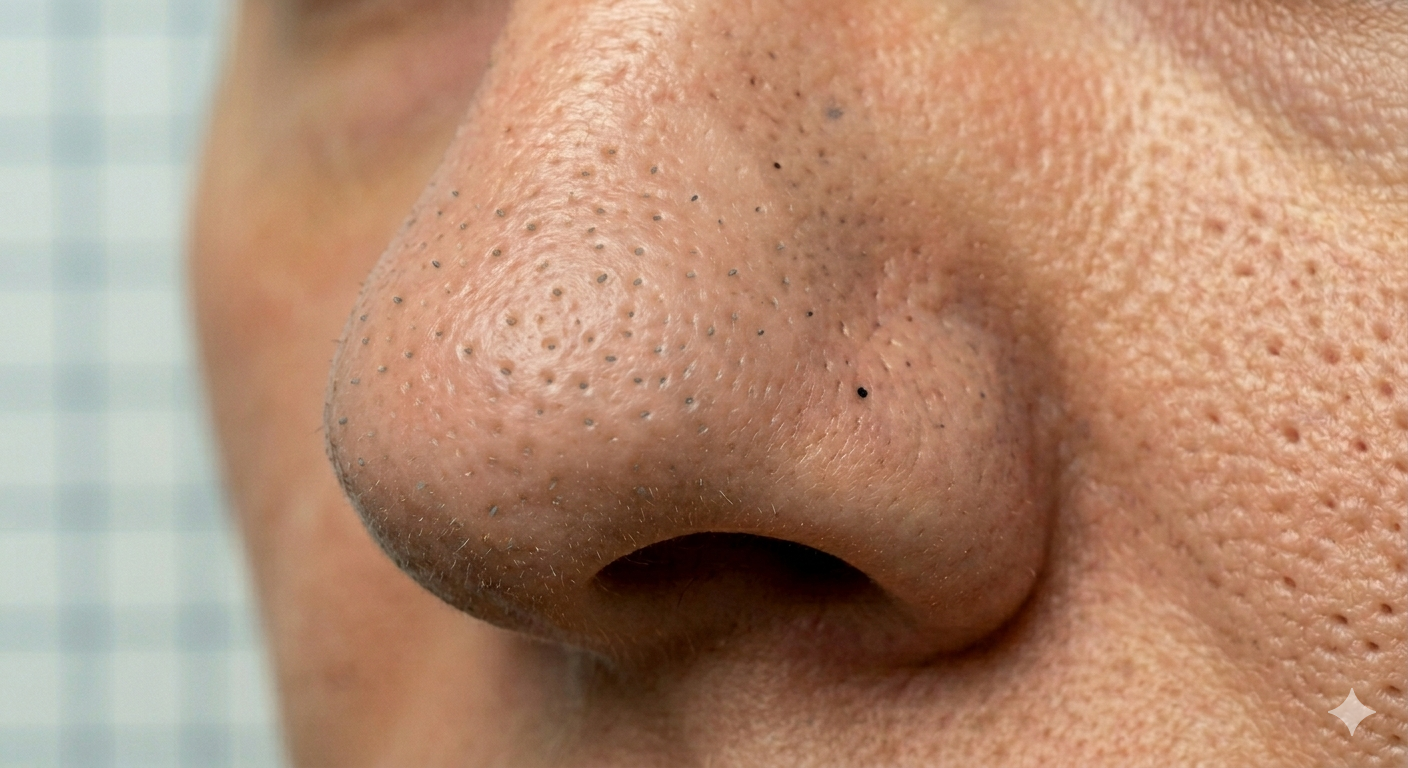
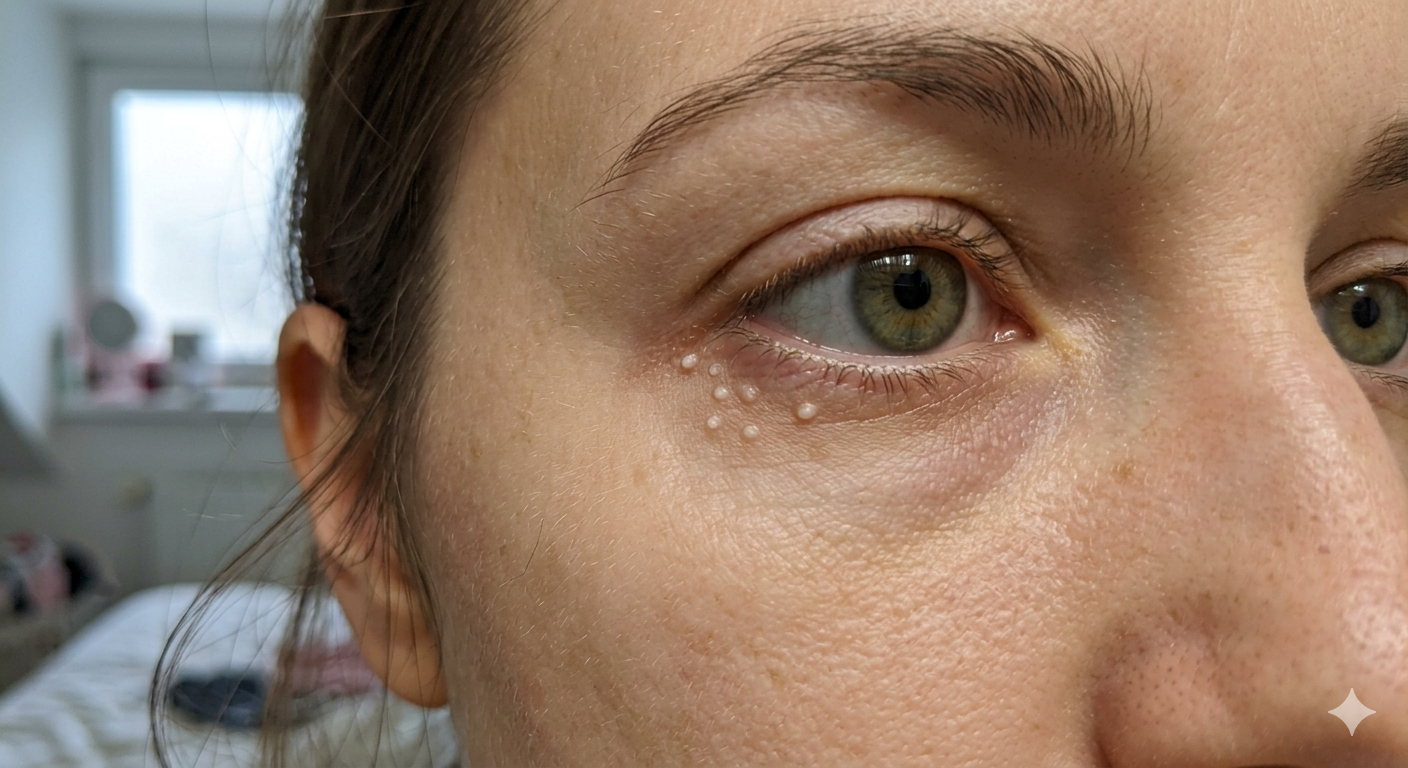
- Closed Comedones (The Clogged Pore): A closed comedone forms when excess sebum (oil) and dead skin cells become trapped inside a hair follicle, and a layer of skin grows over the top. Because the pore is sealed off from oxygen, it stays trapped as a flesh-colored bump that cannot drain naturally.
- Fungal Acne (The Yeast Overgrowth): Fungal acne isn't actually acne at all—its medical name is Malassezia folliculitis. It occurs when a natural yeast (fungus) that lives on everyone's skin feeds on excess oil, multiplies rapidly, and triggers an inflammatory infection inside the hair follicles.For a complete deep-dive into this condition, check out What Is Fungal Acne? The Ultimate Guide to Identifying Those Stubborn Bumps.

The Quick Diagnostic Checklist: How to Tell Them Apart
How can you tell which one is currently sitting on your face? Walk through this simple comparison checklist:
|
Feature |
Closed Comedones |
Fungal Acne |
|
Itchiness |
Rarely or never itchy. |
Intensely itchy, especially when sweating or in warm weather. |
|
Appearance |
Varying sizes. Some are small, some are larger deep bumps. |
Uniform size. They look like rows of tiny, identical red or white bumps. |
|
Location |
Commonly found on the forehead, chin, and cheeks. |
Often clusters on the forehead, hairline, chest, upper back, and shoulders. |
|
The "Pop" Factor |
Can occasionally be extracted (though not recommended) to reveal a hard sebum plug. |
Cannot be extracted; squeezing them only leads to intense redness and spreading. |
How to Treat Closed Comedones
If your diagnostic checklist points toward closed comedones, standard antibacterial acne washes won't help because there is no active bacterial infection yet. Instead, you need to break down the hardened sebum glue trapping the pore shut.
1. The Gold Standard: Salicylic Acid (BHA)
Because sebum is made of oil, water-soluble acids (like glycolic acid) struggle to penetrate deeply into the clog. Salicylic acid is oil-soluble, meaning it can literally dive straight into the oily plug of a closed comedone, dissolving the dead skin and oil from the inside out.
2. Protect with Non-Comedogenic Hydration
When fighting closed comedones, using heavy, occlusive creams will only create more clogs. Always pair your active treatments with a lightweight, oil-free moisturizer labeled non-comedogenic to keep your skin barrier safe without suffocating your pores.
How to Treat Closed Comedones & Fungal Acne Effectively
Because both conditions are heavily linked to excess oil production and trapped debris across large areas of the face (like the entire forehead or cheeks), traditional spot treatments won't cut it. Squeezing or applying harsh spot gels will only irritate the surrounding barrier. Instead, you need a comprehensive, large-scale clearing routine.
1. Dissolve Clogs & Starve Yeast with 1.8% Encapsulated BHA
Whether it is a hardened sebum plug or a colony of oil-loving fungal yeast, the core objective is to clean out the follicle lining. Washing daily with the Dr.Leo Salicylic Acid Cleanser delivers a gentle, daily dose of oil-soluble BHA. It dives straight into the oily core of closed comedones to dissolve dead skin build-up while actively clarifying the follicle environment where fungal yeast thrives.
2. Vacuum Excess Sebum with a Targeted Clay Stick
Since fungal acne feeds on sebum and closed comedones are built from it, controlling excess facial oil is non-negotiable. Applying a specialized treatment like the Dr.Leo Volcanic Clay Cleanser Stick2-3 times a week allows you to sweep away pool-up lipids across large textured zones. This effectively starves out the Malassezia fungus and stops new sebum plugs from hardening into whiteheads.
3. Rebuild the Damaged Barrier with 7X Centella Repair
Blasting your skin with harsh, anti-dandruff washes or standard acne treatments often leaves the protective skin barrier severely compromised. To calm the intense itchiness of fungal breakouts and soothe flakiness from BHA exfoliation, always lock in your routine with the Dr.Leo 7X Centella Calming Series—including the Dr.Leo Centella Calming Cream. This weightless, non-comedogenic hydration deeply cools inflammation and repairs the barrier without clogging a single pore.
The Ultimate Path to Smooth Skin
Misdiagnosing your skin bumps is one of the biggest roadblocks to achieving a clear complexion. By understanding the distinction between fungal acne vs closed comedones, you can stop guessing and start using targeted ingredients that actually work.
Ready to deep-dive into the ultimate routine for clearing out stubborn, trapped sebum plugs and calming fungal overgrowth without irritating your skin? Check out our master guide on How to Clear Fungal Acne: The Power of Sulfur & Pore-Clearing Acid to take back control of your pores today.