What Is Fungal Acne? The Ultimate Guide to Identifying Those Stubborn Bumps
Have you ever dealt with a breakout of tiny, uniform bumps that just won't budge, no matter how much Salicylic Acid or Benzoyl Peroxide you throw at them? If those bumps are also incredibly itchy, you might not be dealing with regular acne at all. You might have Fungal Acne.
In this guide, we’ll break down exactly what fungal acne is, how to spot it with visual cues, and the science-backed ways to tell it apart from common breakouts.
What Exactly Is Fungal Acne?
First, a quick correction: "Fungal acne" isn't actually acne.
The medical term is Malassezia Folliculitis. While regular acne is caused by bacteria (P. acnes) trapping oil in your pores, fungal acne is caused by an overgrowth of yeast (a type of fungus) that lives in your hair follicles.
When this yeast grows out of control—often due to sweat, humidity, or trapped moisture—it causes inflammation, resulting in those frustrating, pimple-like bumps.
💡 Not sure if your breakouts are bacterial or fungal? Before changing your routine, read our comprehensive breakdown on Fungal Acne vs. Regular Acne: How to Know Which One You Have to pinpoint your exact skin condition.
5 Key Symptoms: How to Identify Fungal Acne
Because it looks so much like regular whiteheads or closed comedones, fungal acne is one of the most misdiagnosed skin conditions. Here is how to know if you have it:
1. The "Uniform" Look
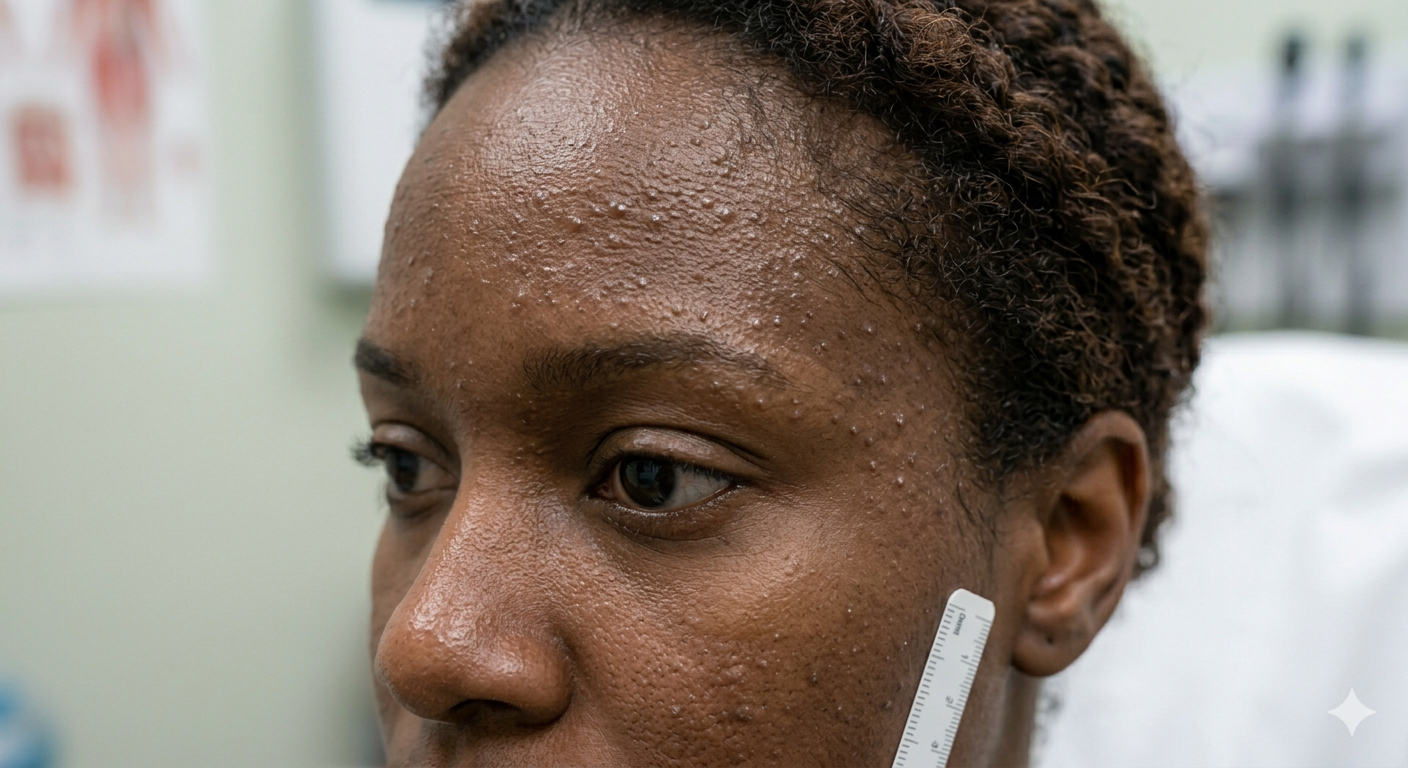
Unlike regular acne, which comes in various sizes (blackheads, whiteheads, cysts), fungal acne bumps are typically the same size and shape. They appear as small, uniform red bumps or whiteheads.
2. It Is Incredibly Itchy
This is the "smoking gun." Regular bacterial acne rarely itches. If your breakouts feel like they need a good scratch, that's a classic sign of a fungal overgrowth.
3. Distribution in Clusters
Fungal acne rarely appears as a single isolated pimple. It usually shows up in clusters or "crops," commonly on the forehead, chest, back, and upper arms.
4. It Doesn't Respond to Normal Acne Meds
If you’ve been using traditional acne treatments for weeks with zero improvement, it’s because those ingredients target bacteria, not fungus.
5. Common Triggers
Did your breakout start after a period of heavy sweating, a trip to a humid climate, or wearing tight gym clothes? Yeast thrives in hot, moist environments.
What Does Fungal Acne Look Like?
Identifying fungal acne on different skin tones is crucial for correct treatment. On lighter skin, the bumps often appear red and inflamed. On black or brown skin, the bumps may appear flesh-colored or slightly ashy/grey, making them harder to see but easier to feel.
For a deeper look into identifying these symptoms with visual examples, check out our guide on Fungal Acne on Black & Brown Skin: Symptoms, Photos & Clear Skin Tips.


Pro Tip: If you're unsure, look at your bumps in "downward" lighting (like under a bathroom mirror). Fungal acne often creates a "sandpaper" texture on the skin's surface.
Is Fungal Acne Contagious?
A common question is: Can I catch this from someone else?
The answer is no. The yeast that causes fungal acne (Malassezia) is already present on everyone’s skin. A breakout only happens when the balance is disrupted, allowing the yeast to multiply excessively. It’s about your skin’s ecosystem, not an external infection.
Can You Pop Fungal Acne?
Short answer: No.Unlike a bacterial whitehead, there is usually no "core" or "plug" to squeeze out in a fungal bump. Attempting to pop them will only damage your skin barrier, lead to scarring (PIH), and potentially spread the inflammation to surrounding follicles.
The Next Step: How to Treat It
If you’ve checked all the boxes above, the good news is that fungal acne is very treatable. Since it’s a yeast issue, you need ingredients that are antifungal.
One of the most effective, time-tested ingredients for this is Sulfur . Sulfur works by drying out the excess oil the yeast feeds on while acting as a natural antifungal agent to clear the bumps.
For a complete breakdown of this dual-action routine, read our deep dive on How to Clear Fungal Acne: The Power of Sulfur & Pore-Clearing Acid.
🛒 Ready to clear those stubborn bumps?
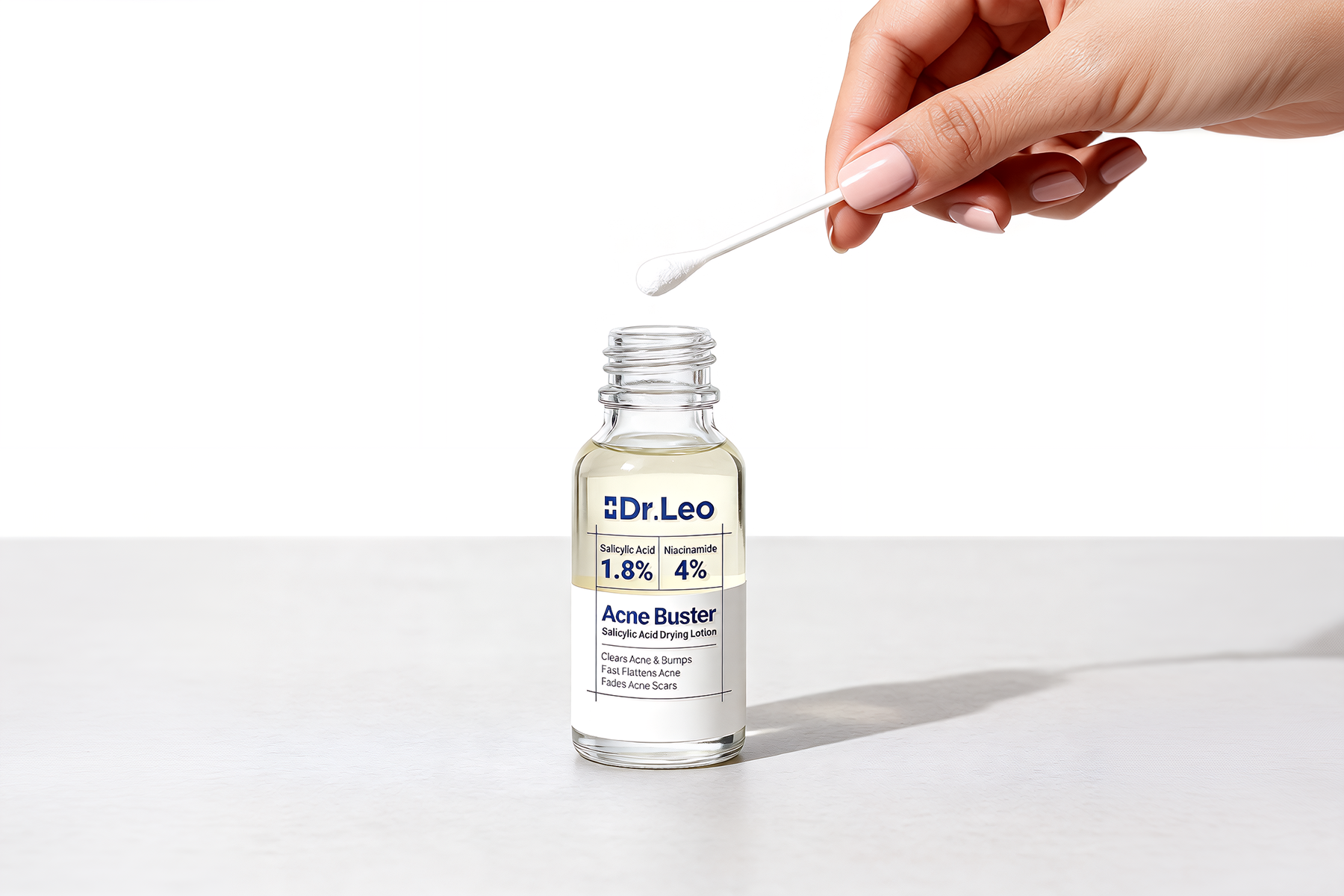
You can target active congestion overnight with our upgraded, 2X size Acne Drying Lotion Plus (20 mL). Powered by 10% Colloidal Sulfur and a smarter 1.8% Encapsulated Salicylic Acid, it delivers maximum strength to dry out the yeast’s food source while remaining gentle on your skin barrier.