Fungal Acne on Black & Brown Skin: Symptoms, Photos & Clear Skin Tips
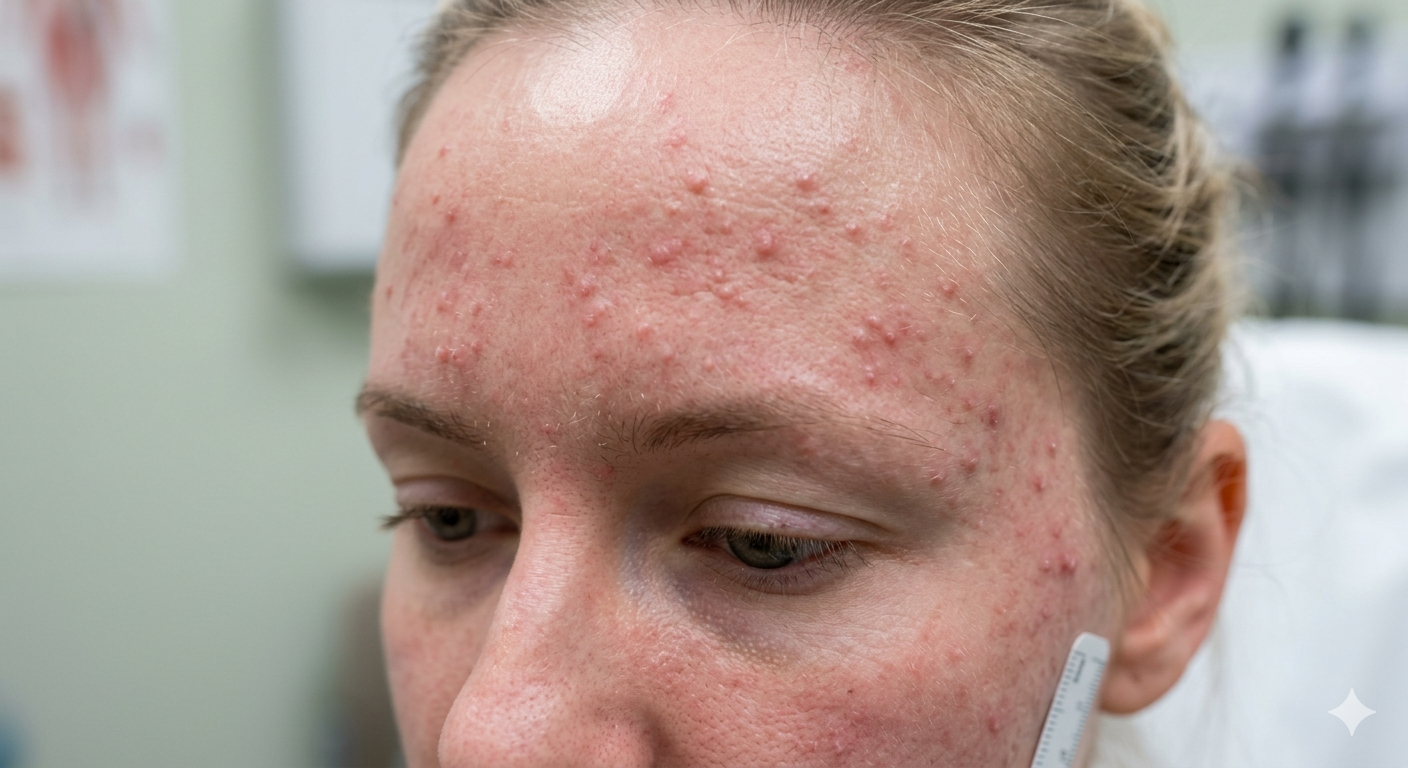
When you search for "Fungal Acne" online, most of the photos show bright red bumps on very fair skin. But for those of us with melanin-rich skin, fungal acne (Malassezia Folliculitis) often tells a different visual story.
If you have tiny, itchy bumps that don't look like typical whiteheads and won't go away, you might be treating a fungal infection as regular acne—which can lead to unnecessary irritation and long-lasting dark spots.To understand the foundational science behind this condition, start with our master guide: What Is Fungal Acne? The Ultimate Guide to Identifying Those Stubborn Bumps.
What Does Fungal Acne Look Like on Darker Skin?
On Black and Brown skin, inflammation doesn't always look "red." Here is what to look for:
1. Color Variation
Instead of bright red, the bumps often appear flesh-colored, yellowish, or even slightly greyish/ashy. Because the redness is masked by melanin, the bumps can be harder to see but are very easy to feel.
2. The "Sandpaper" Texture
Since fungal acne bumps are uniform in size, running your hand over your forehead or chest may feel like sandpaper. This texture is a major giveaway compared to regular acne, which usually has varied sizes and textures.

3. Post-Inflammatory Hyperpigmentation (PIH)
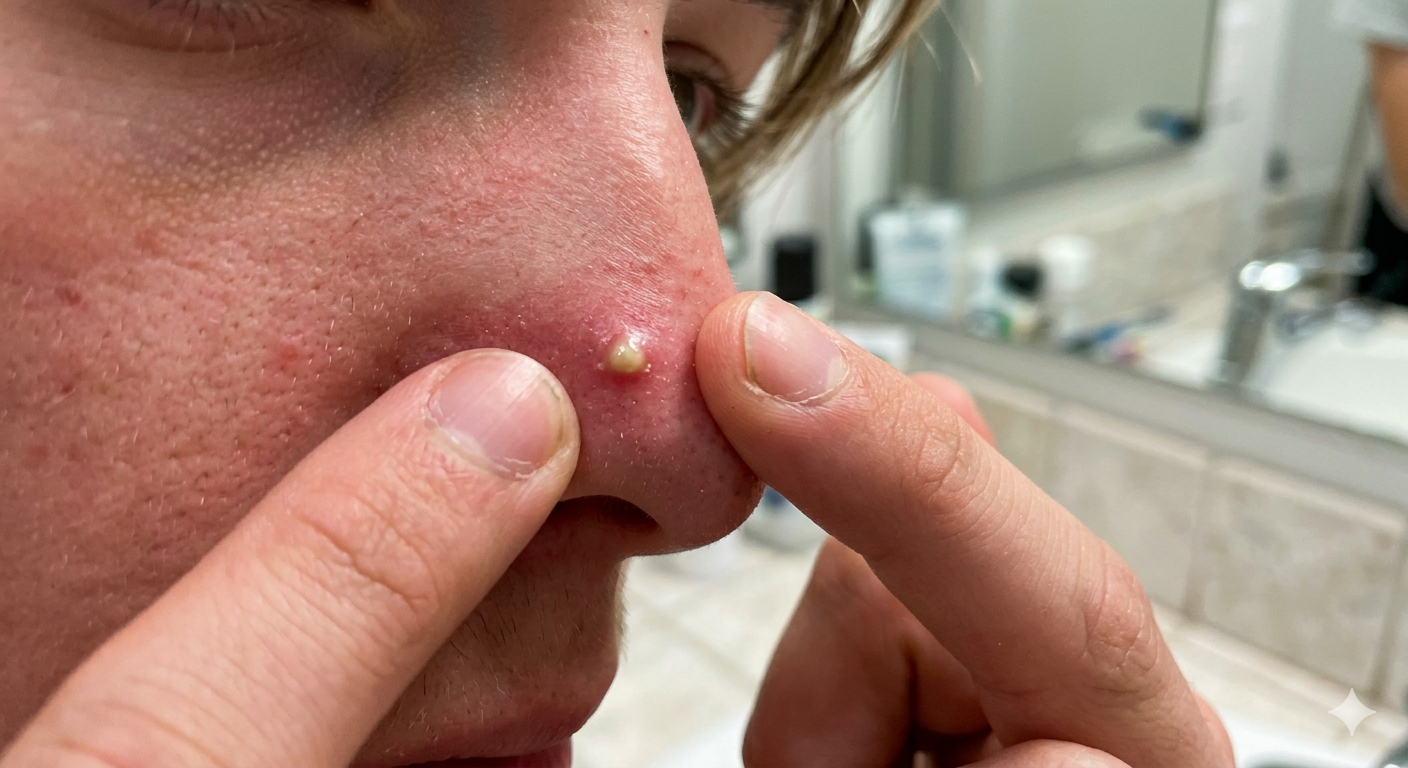
One of the biggest challenges for darker skin is that any inflammation can leave a dark spot (hyperpigmentation) behind. Fungal acne is particularly tricky because it is itchy—scratching or attempting popping fungal acne can cause deep scarring and dark marks that last for months.
Why Is It Often Misdiagnosed?
Many people with darker skin tones are told they have "heat rash" or "closed comedones" (whiteheads). Because regular acne treatments like Benzoyl Peroxide can be very drying and sometimes cause a "ghostly" cast or irritation on dark skin, using the wrong product can make your skin look worse without actually killing the fungus.
If you're stuck guessing between a clogged pore and a yeast flare-up, check our comprehensive symptom checklist on Fungal Acne vs. Regular Acne: How to Know Which One You Have.
Common Triggers for Melanin-Rich Skin
Heavy Oils & Butters: Many traditional products for textured hair or rich body butters (like Cocoa Butter or Shea Butter) contain fatty acids that feed the fungus. If your hair products touch your forehead or back, they could be triggering your "acne."
Humidity & Sweat: Fungal acne thrives in warm environments. If you live in a tropical climate or workout frequently, sweat trapped against the skin is the perfect breeding ground for yeast.
How to Treat Fungal Acne Safely on Darker Skin
The goal for treating fungal acne on Black and Brown skin is twofold: Clear the fungus and prevent dark spots.
1. Stop "Feeding" the Yeast
Switch to a Fungal Acne Safe routine. Avoid products containing oils (like Polysorbates or Esters). Look for oil-free, water-based hydrators.
2. Use "Color-Safe" Actives: The Sulfur Advantage
While some acids can be too aggressive and cause "hot spots" or peeling on darker skin, 10% Colloidal Sulfur is a fantastic alternative.
Antifungal: It targets the yeast directly.
Gentle Exfoliation: It clears the bumps without the high risk of chemical burns associated with some strong peels.
Calming: It helps reduce the itchiness that leads to scratching and scarring.
3. Don't Forget the Niacinamide
Using a treatment that includes Niacinamide (Vitamin B3)—like our core formula—is a game-changer for darker skin. It helps to strengthen the skin barrier and targets the dark spots (PIH) while the sulfur works on the fungus.
Summary: Your Path to Clear Skin
Don't let misdiagnosis lead to scarring. If it’s itchy, uniform, and doesn't respond to regular spot treatments, it's time to think fungal.
🛒 A Melanin-Friendly Solution for All Skin Tones
Protect your skin barrier and clear stubborn texture simultaneously with the upgraded Dr.Leo Acne Drying Lotion Plus (20 mL). Formulated with 10% Colloidal Sulfur, it safely starves the fungal yeast overgrowth without causing chemical burns. To address the unique needs of melanin-rich skin, we’ve packed it with 4% Niacinamide to actively fade the look of post-acne marks (PIH) within 7 days, alongside a non-stripping, time-released 1.8% Encapsulated Salicylic Acid to keep pores perfectly clear.