Can You Pop Fungal Acne? Why It Spreads & How to Stop the Itch
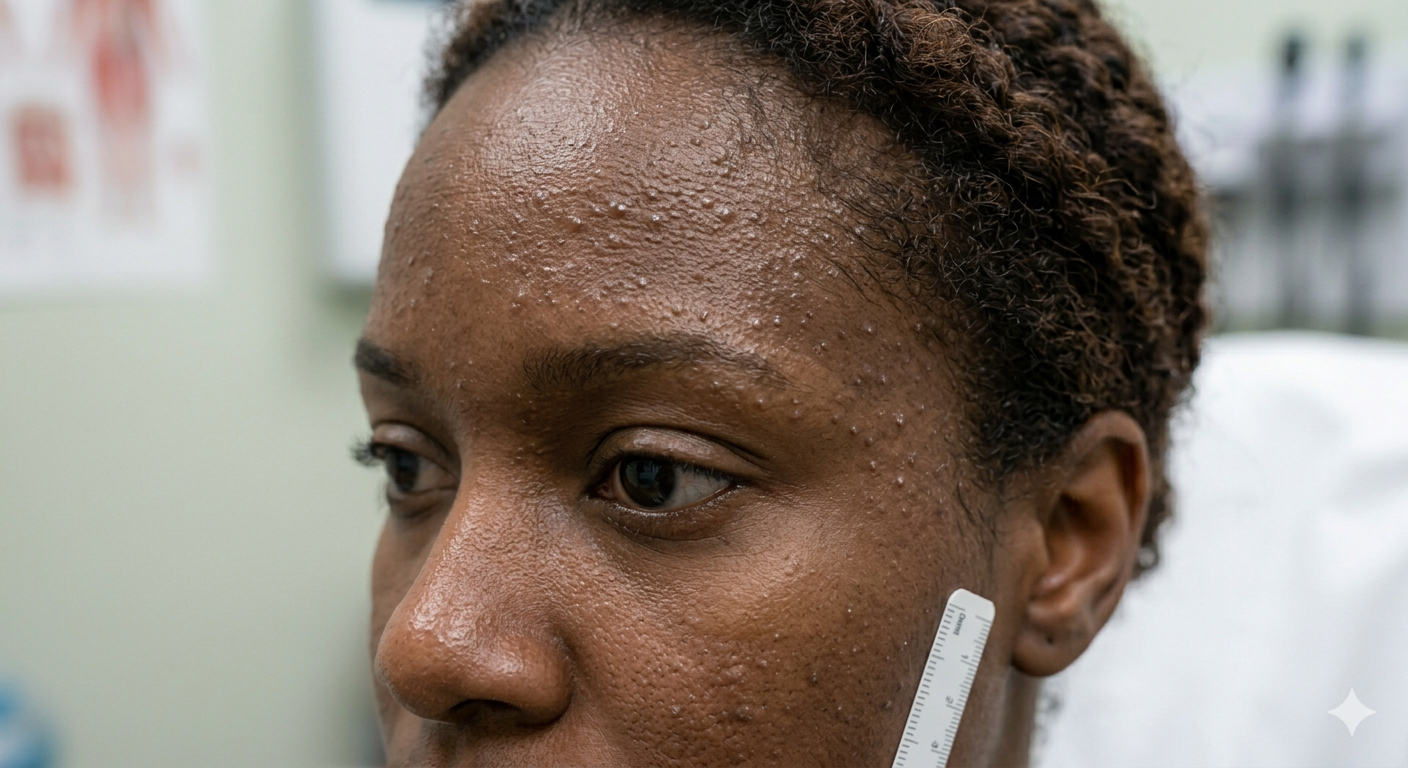
We’ve all been there: you see a cluster of tiny bumps in the mirror, and your first instinct is to squeeze them. But if you’re dealing with Fungal Acne (Malassezia Folliculitis), that satisfying "pop" will never happen. In fact, you’re likely making the situation much worse.
If you’ve been wondering why those bumps won’t pop, it helps to understand what you're actually dealing with first. Check out What Is Fungal Acne? The Ultimate Guide to Identifying Those Stubborn Bumps for a complete overview. Otherwise, read on to find out why you should keep your hands off.
The Big Question: Can You Pop Fungal Acne?
The short answer is: No.
Unlike a regular bacterial pimple, which has a solid "plug" of oil and dead skin (a comedone) that can be extracted, fungal acne is entirely different. To understand the cellular differences between these two types of congestion, you can read our comparison guide on Fungal Acne vs. Regular Acne: How to Know Which One You Have.
When you try to pop them:
1.There is no "core": You will only find clear fluid or blood, and the bump will remain.
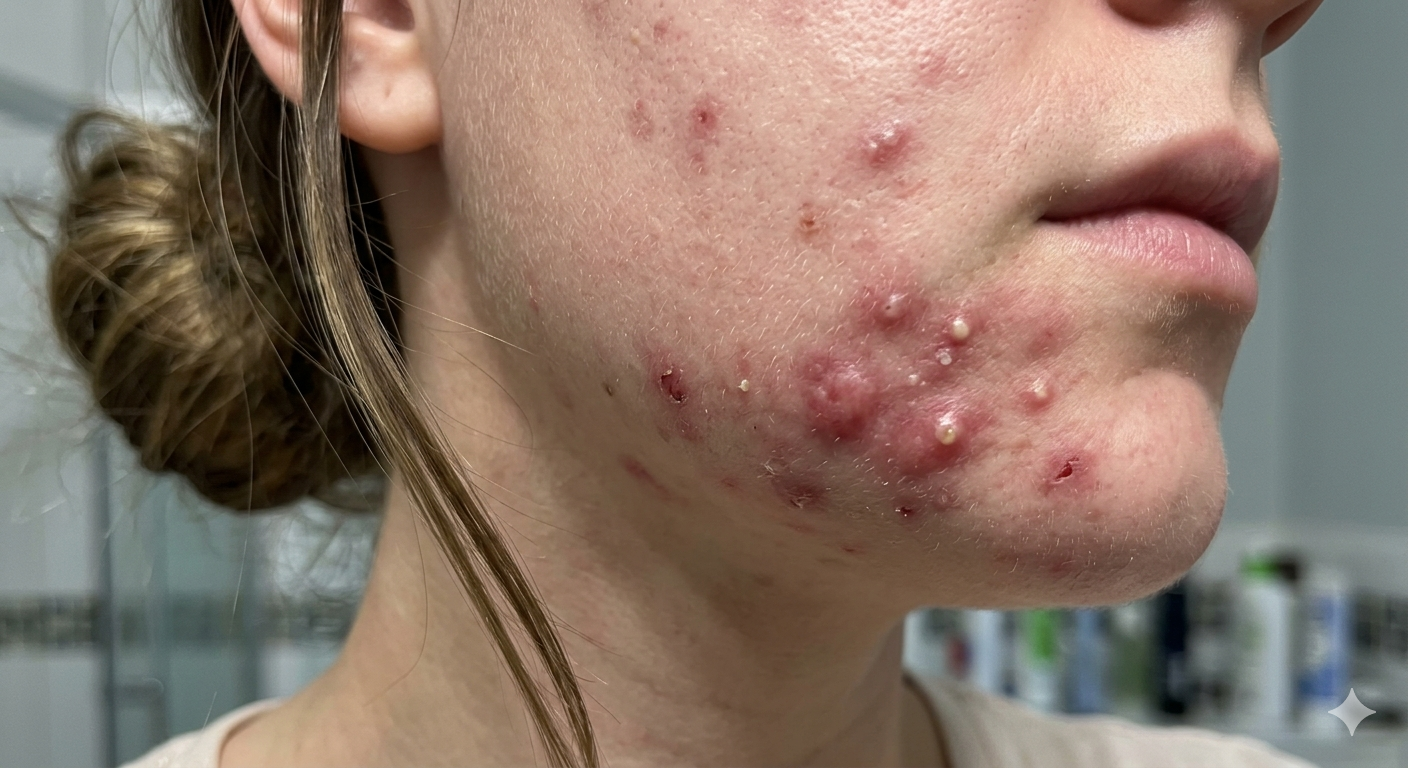
2.Increased Inflammation: Squeezing damages the delicate skin around the follicle, turning a tiny bump into a large, red, painful lesion.
3.Risk of Scarring: Because there’s nothing to extract, the pressure you apply only breaks the skin barrier, leading to Post-Inflammatory Hyperpigmentation (PIH)—those dark spots that last for months.
(Note: If you have melanin-rich skin, this scarring can be even deeper and more stubborn. Learn how to manage these risks in our guide on Fungal Acne on Black & Brown Skin).
Is Fungal Acne Contagious?
A common fear when you see "fungus" or "yeast" is that you might pass it on to someone else or "catch" it from a gym towel.
The good news: Fungal acne is not contagious.
The yeast that causes these breakouts, Malassezia, already lives on everyone’s skin. It’s part of our natural skin flora. A breakout only happens when your skin’s ecosystem gets out of balance—usually due to heat, sweat, or using the wrong skincare products. You cannot "give" it to someone else through touch or sharing a pillow.
Can Fungal Acne Spread to Other Areas?
While it’s not contagious between people, it can spread on your own body.
If you provide the right environment (warm, moist, and oily), the yeast will thrive and move to neighboring follicles. This is why you often see it in clusters on the forehead, chest, and back.
How to stop the spread:
- Don't Touch or Scratch: Scratching the itch can transfer oils and further irritate the follicles.
- Change Out of Sweaty Clothes: Immediately after a workout, shower and change.
- Check Your Haircare: If you have it on your forehead, your hair oils or conditioner might be "feeding" the yeast and causing it to spread down your face.
How to Get Rid of the Itch and the Bumps (Safely)
Since you can’t pop your way to clear skin, you need an alternative treatment that kills the yeast at the source without physically damaging your skin barrier. For a step-by-step routine, read our breakdown on How to Clear Fungal Acne: The Power of Sulfur & Pore-Clearing Acid.
The "Anti-Popping" Solution: 10% Colloidal Sulfur
Instead of using physical force, use a chemical agent that the yeast hates. Sulfur is one of the most effective ways to treat fungal acne at home because:
- It "Dries" the Source: It absorbs the excess oil that the yeast feeds on.
- Natural Antifungal: It actively inhibits the growth of Malassezia.
- Soothes the Itch: One of the best benefits of Sulfur is its ability to calm the intense itching associated with fungal breakouts, reducing your urge to scratch or pop.
Summary: Stop Squeezing, Start Healing
Fungal acne requires patience and the right ingredients—not force. By swapping the "popping" habit for a targeted antifungal treatment like 10% Colloidal Sulfur, you can clear the bumps without the risk of long-term scarring.
🛒 The Non-Invasive Overnight Solution
Put down the extraction tools and let our upgraded Dr.Leo Acne Drying Lotion Plus (20 mL) do the work for you while you sleep. Formulated with 10% Colloidal Sulfur, this targeted treatment gently starves the yeast overgrowth and rapidly calms the intense itchiness so you won't be tempted to scratch. Backed by a time-released 1.8% Encapsulated Salicylic Acid and 4% Niacinamide, it safely clears the follicle and prevents dark spots (PIH) from forming—delivering a smoother complexion within 7 days. Now available in a 2X larger size for long-lasting clarity!
🛒The Non-Invasive Overnight Solution
Put down the extraction tools and let our upgraded Dr.Leo Acne Drying Lotion Plus (20 mL) do the work for you while you sleep. Formulated with 10% Colloidal Sulfur, this targeted treatment gently starves the yeast overgrowth and rapidly calms the intense itchiness so you won't be tempted to scratch. Backed by a time-released 1.8% Encapsulated Salicylic Acid and 4% Niacinamide, it safely clears the follicle and prevents dark spots (PIH) from forming—delivering a smoother complexion within 7 days. Now available in a 2X larger size for long-lasting clarity!