How to Clear Fungal Acne: The Power of Sulfur & Pore-Clearing Acid
If you feel like you’ve been fighting a losing battle with your skin, you aren't alone. Many people spend months trying to "clear acne" only to realize they aren't fighting bacteria—they are fighting yeast.
To learn how to get rid of these stubborn breakouts, you have to stop treating them like a normal pimple. Because fungal acne (Malassezia Folliculitis) feeds on excess oil, the secret to clear skin lies in a Double-Action Strategy: Starve the yeast and eliminate the source. For a complete deep dive into identifying these root causes, start with our master guide on What Is Fungal Acne? The Ultimate Guide to Identifying Those Stubborn Bumps.
At Dr.Leo, we believe in smarter skincare. Here is your roadmap to finally how to clear fungal acne and get rid of those stubborn, itchy bumps for good.

The Double-Action Strategy: Kill the Fungus & Starve the Oil
Treating fungal acne on the face requires more than just a random cream; it requires a strategic strike.
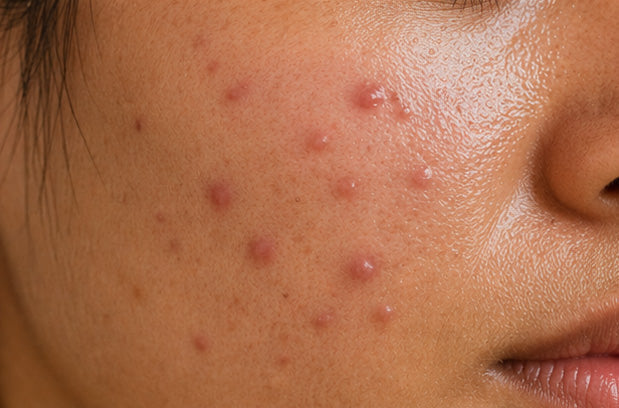
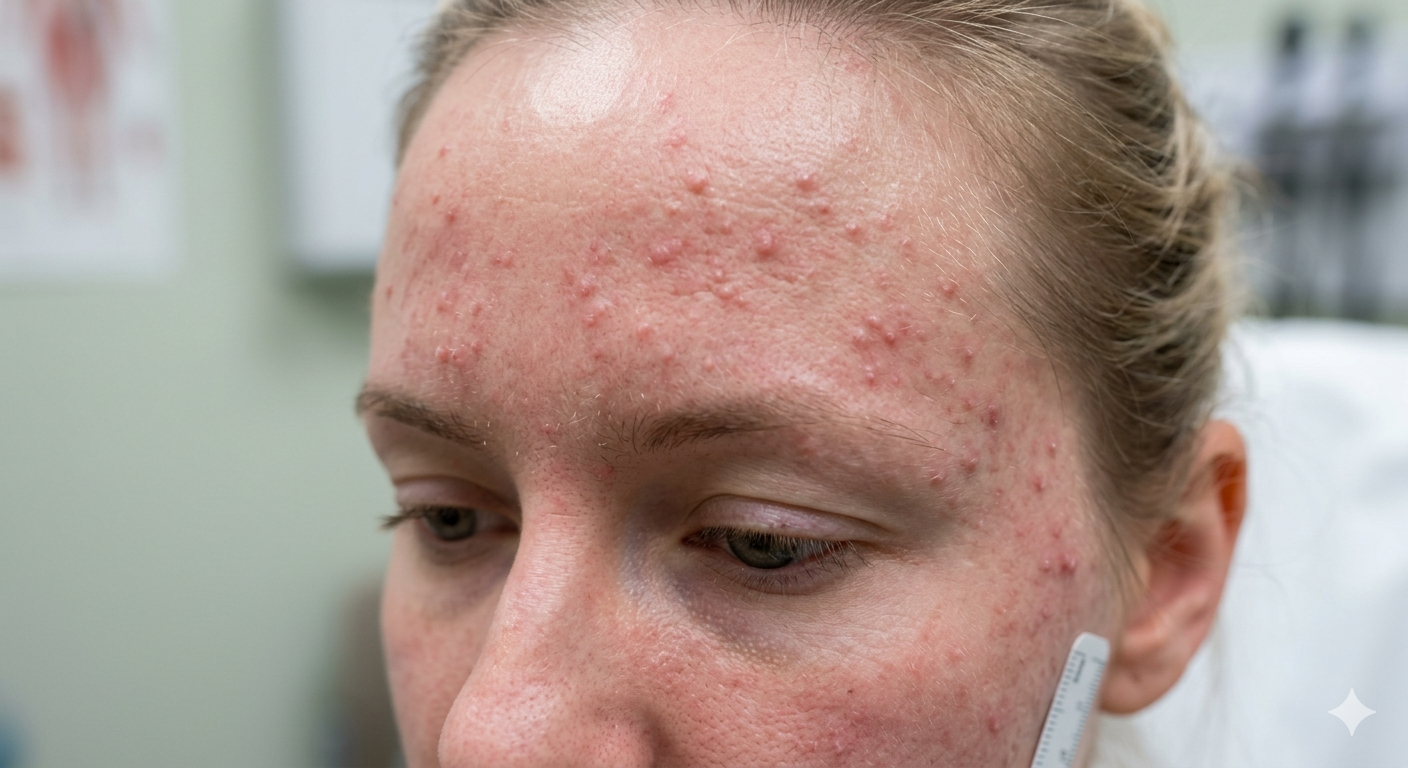
Step 1: "Starve" the Yeast (Oil Control): Fungal acne thrives on human sebum (oil). It loves to feast on specific fatty acids. To understand this process better, read our checklist on Fungal Acne vs. Regular Acne: How to Know Which One You Have. Our formula utilizes Salicylic Acid to dive deep into the lining of your pores and clear out excess oil. By removing this "fungus food," you effectively starve the yeast, stopping it from multiplying across your forehead or cheeks.
Step 2: Kill the Fungus (The Sulfur Strike): Once the food supply is cut, 10% Colloidal Sulfur acts as the powerhouse antifungal agent. It targets the fungal colonies directly, drying them out and calming inflammation almost overnigh
⚠️ Resist the Urge to Squeeze: While these bumps can look like whiteheads as they dry out, remember that popping fungal acne will only damage your skin barrier and cause the infection to spread to neighboring hair follicles.
Stability Meets Comfort: The Encapsulated Advantage
One of the biggest challenges in how to treat fungal acne on face is avoiding irritation. Traditional acids can be harsh, especially on the compromised skin barriers of fungal acne sufferers.
Dr.Leo uses 1.8% Encapsulated Salicylic Acid. This advanced technology means the pore-clearing acid is released slowly and steadily over time.
Long-lasting Action: It continues working deep in your pores for hours after application.
Gentle on Barrier: It provides all the clearing power of a professional acid without the stinging or instant irritation, making it the perfect choice for sensitive, bump-prone skin.
Clear Skin Without the Dryness
The biggest complaint about high-concentration sulfur treatments is that they leave skin peeling and bone-dry. We’ve solved this by adding 4% Niacinamide.
This soothing powerhouse works alongside our active ingredients to:
Reduce Redness: Quickly calm the angry, red appearance of fungal bumps.
Lock in Moisture: Strengthen your skin barrier and balance moisture levels. This ensures that while the fungus is being eliminated, your skin remains calm, hydrated, and flake-free.
Ready to Say Goodbye to Fungal Bumps?
Stop the itch and start the healing. Target your breakouts with the precision of a professional treatment.
🛒 Experience the Dr.Leo Double-Action Strategy
Clear your skin safely with our newly upgraded Dr.Leo Acne Drying Lotion Plus (20 mL). Now available in a 2X larger size for long-lasting value, this overnight spot treatment pairs maximum-strength 10% Colloidal Sulfur to kill the yeast with a non-irritating 1.8% Encapsulated Salicylic Acid to starve its food source. Combined with 4% Niacinamide to prevent post-acne dark spots and peeling, it is the ultimate formula to reclaim a smooth, bump-free complexion within 7 days.
Pro-Tips to Clear Fungal Acne Faster
Targeted Application: Use as a spot treatment. Simply dip a cotton swab into the pink sediment at the bottom and dab it directly onto the bumps before bed.
Check Your Routine: Ensure your other moisturizers are "FA-Safe" and don't contain oils that might feed the yeast.
Consistency: Fungal acne is stubborn. Stick to your sulfur and salicylic acid routine for at least two weeks to ensure the yeast cycle is fully broken.