Best Blackhead Remover for Oily Skin: How to Control Excess Oil & Clogged Pores
If you have oily skin, blackheads can feel like a problem that never completely goes away.
You cleanse your face, your skin looks fresh for a while, and then your nose or T-zone starts looking oily again. Over time, excess sebum can mix with dead skin cells and other buildup, contributing to clogged pores and blackheads.
That's why choosing a blackhead remover for oily skin isn't simply about finding the strongest product.
The goal is to find a treatment that helps manage excess oil and pore-clogging buildup without unnecessarily stripping your skin.
Why Does Oily Skin Get More Blackheads?
Your skin naturally produces sebum, an oily substance that helps maintain the skin's protective barrier.
When excess sebum mixes with dead skin cells and accumulates inside a pore, the pore can become clogged. If the opening is exposed to air, the material can oxidize and appear dark, creating a blackhead.
This is one reason blackheads are often more noticeable in oilier areas such as:
- The nose
- Forehead
- Chin
- T-zone
However, having oily skin doesn't mean you should try to remove every trace of oil from your face.
Your goal should be managing excess oil, not completely eliminating it.
What Makes a Good Blackhead Remover for Oily Skin?
When choosing a blackhead remover for oily skin, look for a treatment that addresses excess oil and buildup while remaining comfortable enough to use consistently.
1. Oil-Absorbing Ingredients
A good treatment can help absorb excess oil from the skin's surface.
Clay is commonly used for this purpose, making clay-based masks a popular option for oily and congested skin.
2. Pore-Focused Ingredients
Ingredients such as salicylic acid can help address oil and dead skin buildup inside pores.
This can be particularly useful if you frequently experience recurring blackheads.
3. Gentle Cleansing
A cleanser should remove excess oil, makeup, sunscreen, and surface impurities without leaving your skin excessively dry or tight.
Over-cleansing can make your routine harder to maintain.
4. Soothing and Hydrating Ingredients
Oily skin still needs hydration.
A blackhead treatment that focuses only on absorbing oil can leave some skin types feeling uncomfortable, particularly if used too frequently.
A balanced formula can combine oil-control ingredients with soothing and hydrating components.
Clay Masks for Oily Skin and Blackheads
Clay masks are one of the most straightforward options for people who experience oily, congested skin.
Clay can absorb excess oil and help remove impurities from the skin's surface.
This makes it particularly useful for targeted areas such as the nose and T-zone.
Unlike a blackhead extractor, a clay mask doesn't require you to squeeze or press individual pores.
Instead, it can become part of a routine designed to manage excess oil and buildup over time.
Why Kaolin Clay Is Used in Blackhead Treatments
Kaolin clay is commonly used in skincare because of its ability to absorb excess oil.
For oily skin, this can make it a useful ingredient in a purifying treatment.
However, the objective isn't to remove every bit of oil from your skin.
A balanced clay treatment should help manage excess oil without making your skin feel excessively dry or uncomfortable.
What About Activated Charcoal?
Activated charcoal is another ingredient frequently used in purifying skincare products.
In a clay-based blackhead treatment, it can complement the oil-absorbing and cleansing-focused properties of the formula.
A combination of clay and activated charcoal can therefore be useful for people looking for a more targeted treatment for oily and congested areas.
Is Salicylic Acid Good for Oily Skin and Blackheads?
Salicylic acid is another common ingredient used for blackhead-prone skin.
As a beta hydroxy acid (BHA), it can penetrate oily pores and help loosen the mixture of sebum and dead skin cells that contributes to congestion.
This makes it a useful option for people who frequently experience blackheads.
However, oily skin can still become irritated or dehydrated.
Using salicylic acid too frequently, particularly alongside other exfoliating or purifying products, may cause dryness, redness, or discomfort.
If you're introducing salicylic acid into your routine, start gradually and pay attention to how your skin responds.
Is a Blackhead Extractor Better for Oily Skin?
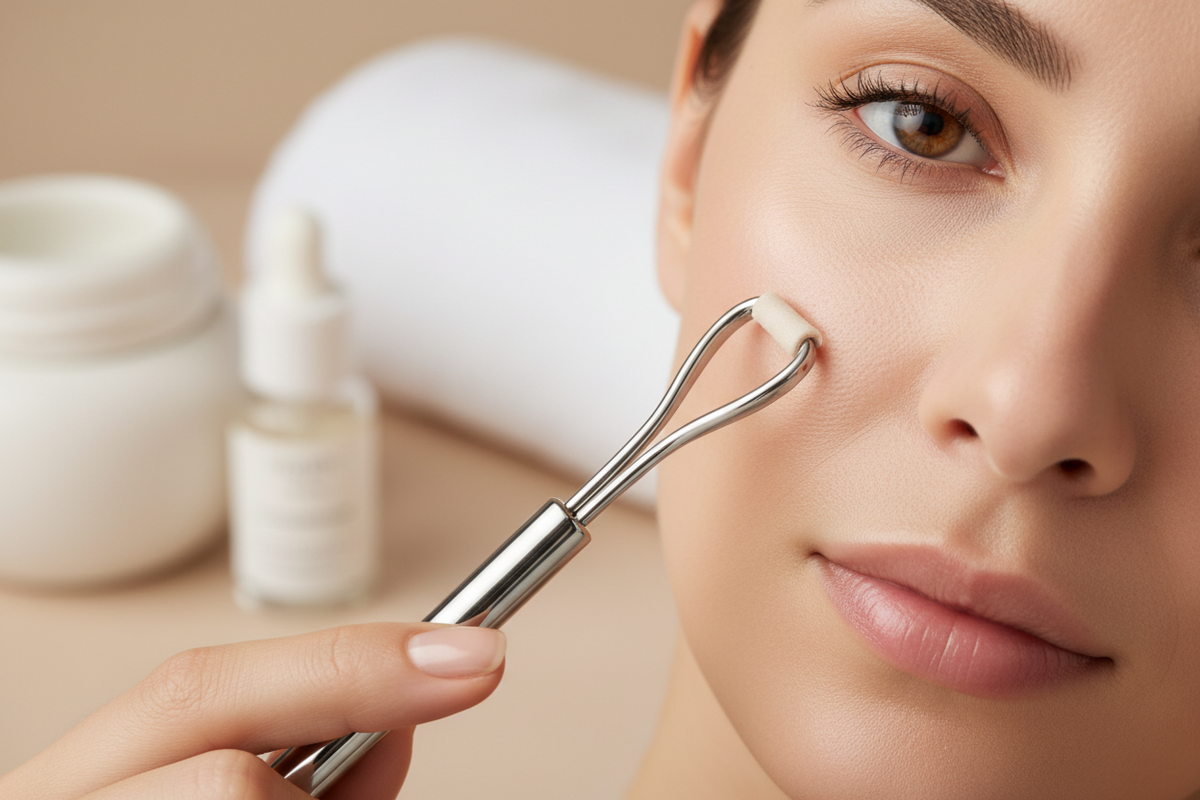
A blackhead extractor can physically target individual blackheads.
This may provide an immediate result, but it doesn't address the ongoing production of sebum or buildup that can cause new blackheads to appear.
Excessive pressure can also irritate the surrounding skin.
If you have frequent blackheads, a routine focused on oil control and pore care may be more practical than repeatedly extracting individual pores.
For stubborn blackheads that don't respond to gentle at-home care, professional extraction may be preferable to aggressive DIY extraction.
Are Pore Strips Good for Oily Skin?
Pore strips can temporarily lift material from the skin's surface and may make pores look cleaner immediately after use.
However, the result is temporary.
Pore strips don't stop your skin from producing sebum, so blackheads can return as new buildup develops.
If your primary concern is ongoing oiliness and recurring congestion, consider a routine that focuses on managing excess oil rather than relying entirely on temporary removal.
Can You Use a Clay Mask and Salicylic Acid Together?
You can potentially include both in an overall skincare routine, but that doesn't mean you need to use them aggressively or at the same time.
Both approaches can target aspects of oily, congested skin, and combining too many oil-control or exfoliating treatments can increase the risk of dryness and irritation.
For example, you might use a clay treatment periodically for excess oil while using a salicylic acid product according to its recommended frequency.
The right routine depends on your skin's tolerance.
A Clay-Based Blackhead Remover for Oily Skin
For oily and congested skin, a clay treatment can combine oil control with a convenient targeted application.
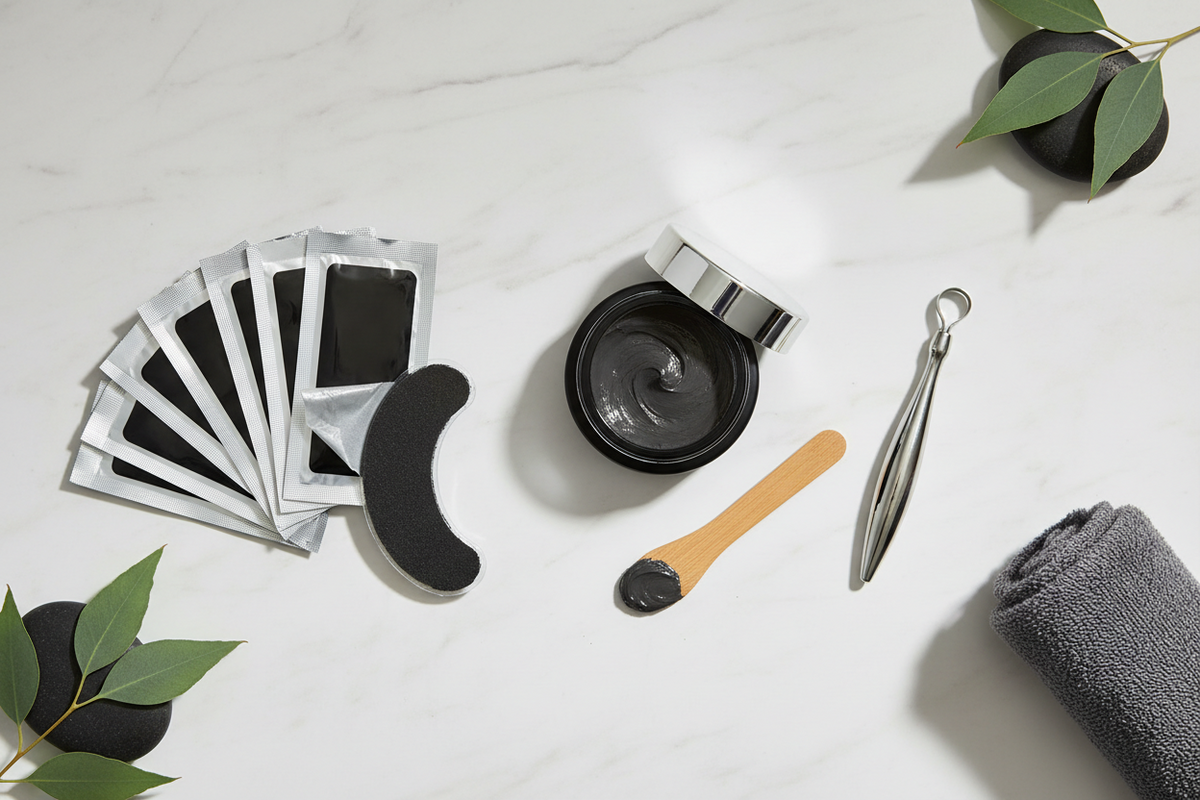
A rotating clay mask stick formulated with 16% Kaolin Clay, 4% Activated Charcoal, and Volcano Clay is designed to help target excess oil, dirt, and makeup residue.
The stick format makes it easy to apply directly to areas that tend to become oily, such as the nose, forehead, and T-zone.
You don't need to cover your entire face if only certain areas are congested.
The formula also contains Ectoin and 3% Aloe Vera to provide soothing and hydrating components alongside the purifying ingredients.
This combination makes the treatment a convenient option for people who want to manage excess oil and pore buildup without relying on aggressive manual extraction.
[Internal product link: Clay Mask Stick]
How to Use a Blackhead Remover for Oily Skin
If your main concern is oily skin and recurring blackheads, keep your routine simple.
Step 1: Cleanse
Start with a gentle cleanser to remove excess oil, makeup, sunscreen, and surface residue.
[Internal link: Polyamino Acid Purifying Facial Cleanser]
Step 2: Target Congested Areas
Apply your clay-based treatment to oily or congested areas.
The nose and T-zone are common areas to focus on, but you can adjust the application based on your skin.
Step 3: Follow the Recommended Application Time
Don't leave a clay treatment on longer simply because your skin is oily.
Follow the product directions.
More time doesn't necessarily mean better oil control.
Step 4: Rinse Gently
Use lukewarm water and remove the treatment without aggressively scrubbing.
Step 5: Hydrate
Finish with a lightweight hydrating product.
Even oily skin needs hydration, and keeping your routine balanced can make it easier to manage excess oil without over-treating your skin.
How Often Should You Use a Blackhead Remover for Oily Skin?
Oily skin doesn't automatically mean you should use a blackhead remover every day.
The appropriate frequency depends on the product and your skin's tolerance.
If you're using a clay mask, follow the manufacturer's recommended frequency.
Watch for signs that you're using the treatment too often, including:
- Tightness
- Dryness
- Flaking
- Redness
- Burning
- Increased sensitivity
If these occur, reduce the frequency and simplify your routine.
How to Prevent Blackheads From Coming Back on Oily Skin
Removing existing blackheads is only one part of managing oily skin.
Because sebum production continues, new buildup can develop over time.
A consistent routine can help:
Cleanse regularly
Remove excess oil, makeup, sunscreen, and daily buildup.
Avoid over-cleansing
Washing repeatedly or using overly harsh products can leave your skin uncomfortable.
Use targeted pore care
Choose a clay treatment, salicylic acid, or another appropriate treatment based on your skin's needs.
Keep your skin hydrated
Oily skin still benefits from hydration.
Avoid picking
Repeated squeezing can irritate your skin and doesn't prevent new blackheads from forming.
Oily Skin Doesn't Mean You Need the Strongest Blackhead Remover
It's easy to assume that oily skin requires the most aggressive possible treatment.
But oiliness and sensitivity can exist at the same time.
You may have excess sebum while still becoming irritated by harsh scrubbing, frequent extraction, or excessive exfoliation.
That's why the best blackhead remover for oily skin is not necessarily the product that removes the most oil.
A better approach is to control excess oil while maintaining skin comfort.
A Simple Routine for Oily, Blackhead-Prone Skin
You don't need a complicated routine to manage blackheads.
Morning
Gentle cleanse → Lightweight hydration → Sunscreen
Evening
Cleanse → Targeted pore care → Hydration
A clay treatment can be incorporated periodically when your skin needs additional oil-control and pore care.
If you also use salicylic acid or other active ingredients, avoid introducing multiple strong treatments at once.
When Should You See a Dermatologist?
If your skin has persistent inflammation, painful breakouts, widespread irritation, or congestion that doesn't improve with a consistent routine, consider speaking with a dermatologist.
Professional advice can help determine whether what looks like blackheads is actually another type of skin concern.
You also don't need to keep increasing the intensity of your at-home treatments simply because blackheads aren't disappearing.
The Bottom Line
The best blackhead remover for oily skin should help manage excess oil and pore-clogging buildup without unnecessarily stripping the skin.
Clay-based treatments can be a practical option for oily and congested areas because clay helps absorb excess oil and remove surface impurities.
Salicylic acid can provide another approach to recurring pore congestion, while gentle cleansing provides the foundation of your routine.
The key is balance.
Instead of trying to eliminate every trace of oil or aggressively extract every blackhead, focus on consistent pore care that your skin can tolerate over time.