How to Use a Blackhead Remover: A Gentle Step-by-Step Guide
Using a blackhead remover may seem simple, but more isn't always better when it comes to clogged pores.
Scrubbing harder, squeezing repeatedly, or leaving a purifying treatment on for too long can leave your skin irritated without solving the reason blackheads keep coming back.
The better approach is to use a blackhead remover as part of a simple routine that helps manage excess oil and pore-clogging buildup while keeping your skin comfortable.
Here's how to use different types of blackhead removers safely and effectively.
What Should You Do Before Using a Blackhead Remover?
Before applying a targeted blackhead treatment, start with clean skin.
Oil, makeup, sunscreen, and other surface residue can interfere with your skincare routine and contribute to pore congestion.
Step 1: Cleanse Your Skin
Start by washing your face with a gentle cleanser.
Focus on areas where you tend to experience more oil and congestion, such as the nose, forehead, and T-zone.
Avoid aggressively scrubbing your skin. A cleanser should remove surface impurities without leaving your face feeling excessively tight or uncomfortable.
[Internal link: Polyamino Acid Purifying Facial Cleanser]
If your skin is already irritated or dry, prioritize gentle cleansing before adding additional pore treatments.
Step 2: Choose the Right Type of Blackhead Remover
Not every blackhead remover works in the same way.
Clay-based removers
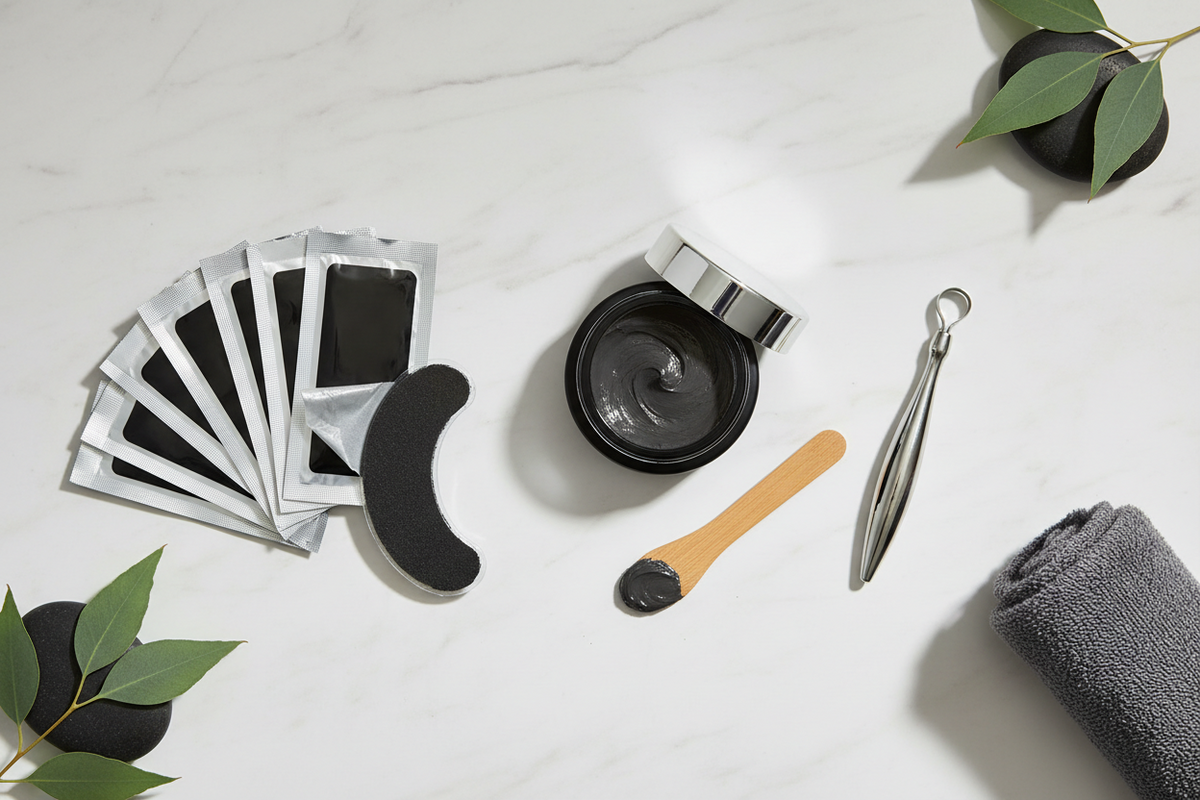
Clay masks are useful when excess oil and surface buildup are major concerns. They can absorb excess oil and help remove impurities without requiring you to manually squeeze individual pores.
Salicylic acid
Salicylic acid can help loosen the combination of oil and dead skin cells that contributes to clogged pores. It may be useful for recurring blackheads, but should be introduced gradually if your skin is sensitive.
Pore strips
Pore strips can provide a quick temporary visible result by lifting material from the skin's surface. However, they don't address the ongoing causes of blackheads and may not be suitable for easily irritated skin.
Manual extractors
Extractors physically target individual blackheads. Because excessive pressure can irritate or damage the surrounding skin, avoid aggressive DIY extraction.
For most people, a regular pore-care routine is preferable to repeatedly squeezing or picking at blackheads.
Step 3: Apply Your Blackhead Remover Correctly
If you're using a clay-based blackhead remover, apply an even layer over the areas you want to treat.
You don't necessarily need to apply the product to your entire face.
If your main concern is blackheads around your nose and T-zone, targeted application can be enough.
A rotating clay mask stick can make this step particularly convenient because the formula glides directly onto the skin without requiring you to spread the product with your fingers.
A clay formula containing 16% Kaolin Clay, 4% Activated Charcoal, and Volcano Clay can help target excess oil, dirt, and makeup residue.
[Internal product link: Clay Mask Stick]
Step 4: Don't Leave a Clay Treatment on Too Long
Leaving a blackhead remover on longer doesn't necessarily mean better results.
If you're using a clay mask, follow the recommended application time on the product.
You should not wait until the mask becomes extremely dry, cracked, or uncomfortable before removing it.
Overusing oil-absorbing treatments can leave some skin types feeling dry or tight.
If your skin becomes uncomfortable during use, rinse the product off and reduce the frequency of future applications.
Step 5: Rinse Gently
When you're ready to remove a clay treatment, use lukewarm water.
Gently loosen the product instead of scrubbing it aggressively against your skin.
There's no need to use a rough washcloth, exfoliating brush, or other abrasive tool to remove the mask.
The goal is to remove the treatment while keeping unnecessary friction to a minimum.
Step 6: Rehydrate and Soothe Your Skin
After using a purifying blackhead treatment, don't forget the recovery step.
Your skin still needs hydration even if you have oily or acne-prone skin.
Look for lightweight hydrating and soothing products that help keep your skin comfortable without adding unnecessary heaviness.
A clay treatment formulated with soothing ingredients such as Ectoin and Aloe Vera can also provide a more balanced approach to oil control and pore care.
How Often Should You Use a Blackhead Remover?
The ideal frequency depends on the type of remover and your skin's tolerance.
For a clay mask, follow the product's recommended usage rather than assuming that daily application will produce faster results.
If you notice:
- Dryness
- Tightness
- Redness
- Burning
- Flaking
- Increased sensitivity
reduce the frequency and focus on gentle hydration.
Blackhead care is a long-term process. Consistency is generally more useful than repeatedly treating your skin whenever a blackhead becomes visible.
How to Use a Blackhead Remover on Your Nose
The nose is a common area for blackheads because it often produces more oil than other parts of the face.
If you're targeting the nose, you don't need to aggressively squeeze or scrub the area.
Instead:
-
Cleanse the skin gently.
-
Apply your chosen blackhead treatment to the nose.
-
Follow the recommended application time.
-
Rinse gently.
-
Apply a lightweight hydrating product afterward.
If you're using a clay stick, the targeted format can make it easier to apply an even layer around the nose without covering areas that don't need treatment.
[Internal link: How to Get Rid of Stubborn Blackheads on Your Nose & Prevent Re-clogging]
How to Remove Blackheads Without Squeezing
Squeezing blackheads can be tempting because it provides an immediate sense of removal.
However, repeatedly pressing or picking at your skin can cause irritation and redness.
Instead, focus on reducing the buildup that contributes to clogged pores.
A simple routine can include:
Gentle cleansing → Targeted blackhead treatment → Hydration
Depending on your skin type, your targeted treatment might be a clay mask, salicylic acid, or another pore-focused product.
The goal is to manage congestion without constantly manipulating the skin.
Can You Use a Blackhead Remover and Salicylic Acid Together?
You may be able to include both in your skincare routine, but using multiple strong treatments too frequently can increase the risk of dryness and irritation.
For example, if you use a clay mask to absorb excess oil and also use salicylic acid to address pore congestion, you don't necessarily need to use both aggressively or at the same time.
Start gradually and pay attention to how your skin responds.
If your skin feels dry, tight, or irritated, simplify your routine rather than adding more treatments.
What Should You Avoid When Removing Blackheads?
A good blackhead removal routine is as much about what you don't do as what you do.
Avoid:
Aggressive squeezing
Trying to force every blackhead out can irritate the surrounding skin.
Excessive scrubbing
Scrubbing harder doesn't necessarily clear clogged pores more effectively and can create unnecessary friction.
Overusing purifying masks
Using clay or other oil-control treatments too frequently may leave some skin types feeling dry or uncomfortable.
Combining too many active treatments
Using several exfoliating or acne-focused products at once can increase irritation.
Picking at your skin
Repeatedly touching or picking at blackheads can make the area more irritated and harder to keep comfortable.
How to Build a Simple Blackhead Removal Routine
You don't need a complicated routine to manage blackheads.
A simple approach can look like this:
Morning
Gentle cleanse → Hydration → Sunscreen
Evening
Cleanse → Targeted blackhead treatment → Hydration
A clay mask can be used periodically rather than as a daily cleansing step.
If your skin is oily and frequently congested, you can focus the clay treatment on areas such as your nose, forehead, and T-zone.
A Convenient Blackhead Remover for Oily and Congested Skin
Traditional clay masks can be messy to apply, especially when you're only trying to treat a few congested areas.
A rotating clay mask stick offers a more targeted alternative.
The stick format allows you to glide the formula directly onto your skin without getting clay on your hands.
The formula combines 16% Kaolin Clay, 4% Activated Charcoal, and Volcano Clay to help absorb excess oil and remove dirt and makeup residue.
It also contains Ectoin and 3% Aloe Vera to help soothe and hydrate the skin, providing a more balanced approach to purifying and oil-control care.
This makes it particularly useful for people who want a convenient blackhead treatment for oily or congested areas without the mess of a traditional clay mask.
[Internal product link: Clay Mask Stick]
Can a Blackhead Remover Prevent Blackheads From Coming Back?
A blackhead remover cannot permanently prevent blackheads.
Your skin naturally produces sebum and sheds dead skin cells, so pore congestion can happen again even after successful removal.
The goal is to manage the factors that contribute to buildup.
Consistent cleansing, appropriate pore treatments, oil control, and gentle skincare can help maintain clearer-looking skin over time.
If blackheads continue to return despite a consistent routine, consider whether other factors—such as excessive oil production, heavy skincare products, or inadequate cleansing—may be contributing to congestion.
[Internal link: Why Do I Have So Many Blackheads? Common Causes & Prevention]
The Bottom Line
The best way to use a blackhead remover isn't to attack every visible blackhead as aggressively as possible.
Start with clean skin, choose a treatment that matches your skin type, follow the recommended usage instructions, and avoid excessive squeezing or scrubbing.
For oily and congested skin, a clay-based treatment can help manage excess oil and surface buildup. When combined with gentle cleansing and hydration, it can become a practical part of a regular blackhead-care routine.
The goal isn't just to remove blackheads today. It's to keep your pores clearer without unnecessarily irritating your skin.