What Are Blackheads? Causes, Treatment & Prevention
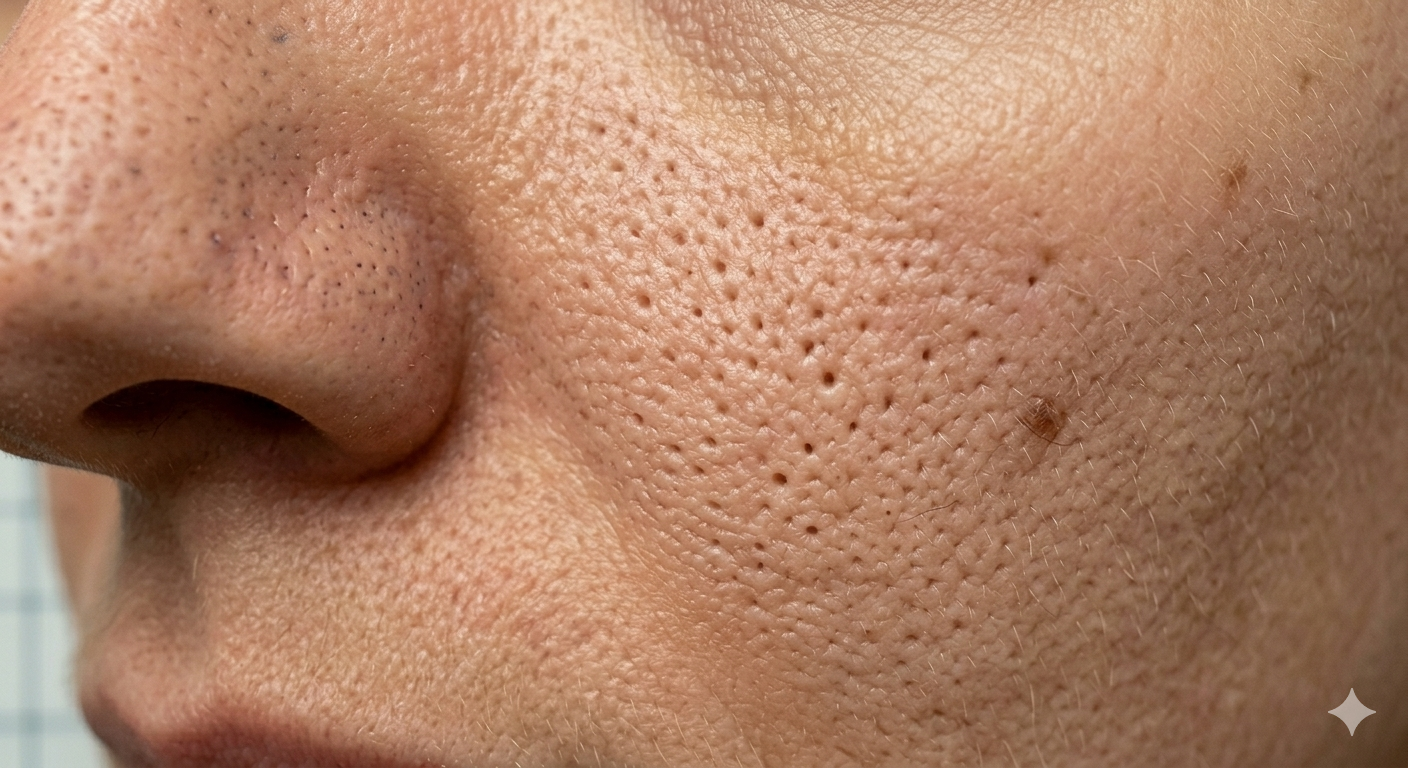
Blackheads are one of the most common types of clogged pores, especially around the nose, chin, and other oil-prone areas of the face. Although they may look like tiny specks of dirt trapped inside the skin, blackheads are not caused by poor hygiene.
A blackhead forms when oil and dead skin cells build up inside a hair follicle. Unlike a whitehead, the opening of the pore remains exposed to the air, causing the material near the surface to darken.
Understanding what blackheads are, how they form, and what causes them can make it much easier to choose the right treatment—and avoid habits that may irritate your skin without actually clearing the clog.
What Are Blackheads?
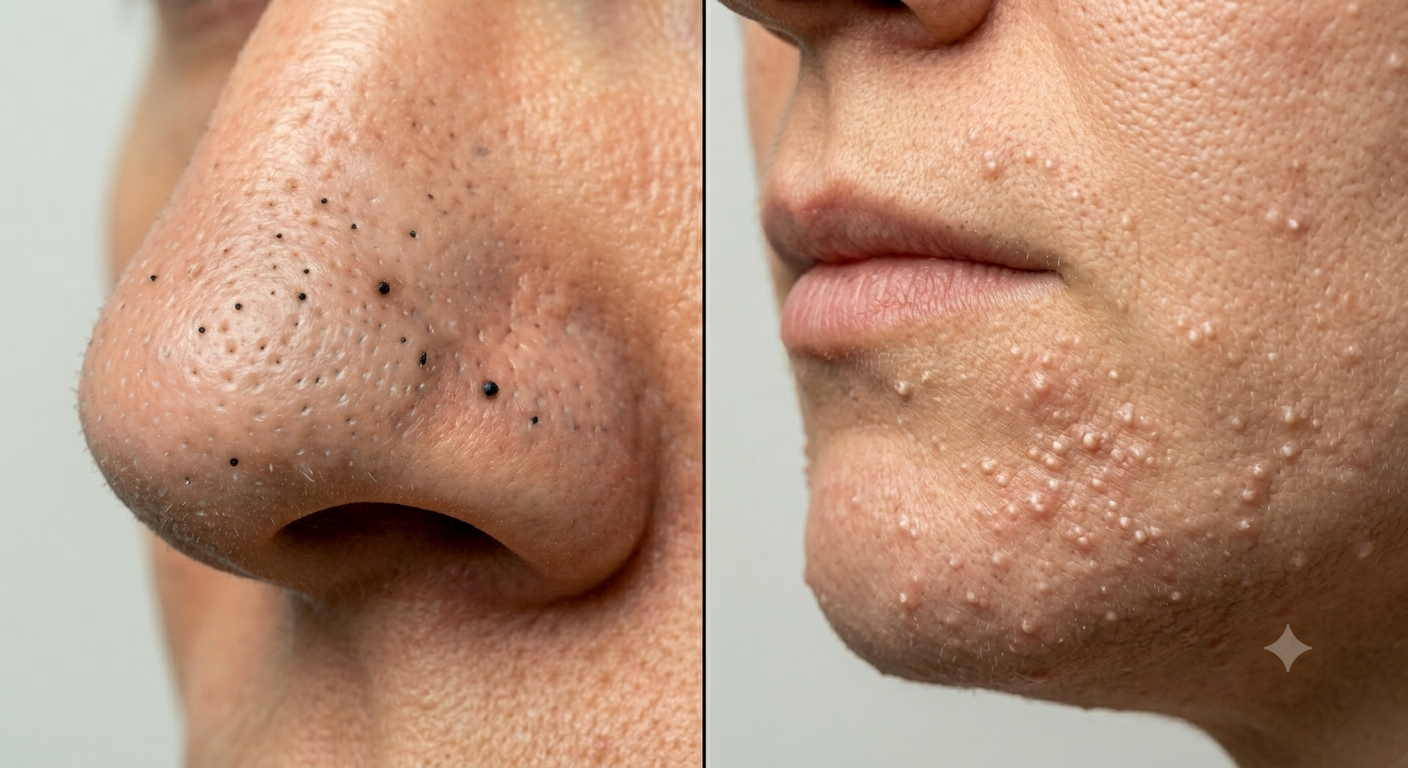
A blackhead is a type of non-inflammatory acne lesion known medically as an open comedone.
It forms when sebum and dead skin cells accumulate inside a hair follicle. Instead of being completely covered by skin, the opening of the follicle remains exposed to the surface. Over time, the material near the opening darkens, creating the characteristic black or dark brown appearance.
Blackheads are most common in areas with a high concentration of sebaceous glands, including the nose, chin, forehead, and sometimes the chest or back.
What Are Blackheads Made Of?
The material inside a blackhead is primarily made up of a mixture of sebum and accumulated dead skin cells. Depending on the area of the skin, small amounts of environmental debris or cosmetic residue may also mix with the buildup.
The main components include:
- Sebum: A natural oily substance produced by the sebaceous glands.
- Dead Skin Cells: Skin cells that do not shed normally and instead accumulate inside the follicle.
- Keratinized Material: A compact buildup of cells and oil that contributes to the formation of the plug.
Despite their appearance, blackheads are not simply dirt trapped inside the skin.
Why Are Blackheads Black?
If blackheads are mainly made of oil and dead skin cells, why do they look dark?
The dark color is mainly caused by oxidation. Because the opening of a blackhead remains exposed to the air, the material near the surface undergoes chemical changes when exposed to oxygen.
This is why a blackhead can appear black or dark brown. It does not mean that the pore is filled with dirt or that your skin is not clean enough.

How Do Blackheads Form?
Blackheads develop when the normal process of skin cell shedding inside a hair follicle becomes disrupted.
The process generally involves several steps:
1. Dead Skin Cells Build Up
Normally, skin cells shed and move toward the surface of the skin. In blackhead-prone skin, some of these cells can accumulate inside the follicle instead of shedding efficiently.
2. Sebum Mixes With the Cell Buildup
At the same time, sebum produced by the sebaceous gland mixes with the accumulated cells. This creates a plug inside the follicle
3. The Follicle Opening Remains Exposed
Unlike a whitehead, the opening of a blackhead remains open to the surface rather than being covered by a layer of skin.
4. The Material Near the Surface Darkens
Exposure to air causes chemical changes in the material near the opening, giving the blackhead its characteristic dark appearance.
What Cause Blackheads?
Blackheads form through the same basic process of oil and dead skin cell buildup, but several factors can make this process more likely.
Excess Sebum Production
People with naturally oily skin may be more prone to blackheads because higher levels of sebum can contribute to buildup inside the follicle.
Hormonal changes can also affect sebum production, which is why some people notice changes in congestion during different stages of life.
Abnormal Skin Cell Shedding
When dead skin cells do not shed normally, they can accumulate inside the follicle and combine with sebum to form a comedonal plug.
Certain Skincare and Cosmetic Products
Some heavy or poorly tolerated skincare and cosmetic products may contribute to congestion in people who are prone to clogged pores. Choosing products that suit your skin type can help reduce unnecessary buildup.
Genetics and Individual Skin Type
Some people are naturally more prone to oily skin, acne, and comedonal congestion. Genetics can influence factors such as sebum production and the way skin cells behave inside the follicle.
If you're dealing with blackheads that keep coming back, learn more about why you may be getting so many blackheads and what can help prevent them.
Where Do Blackheads Commonly Appear?
Blackheads can develop anywhere there are hair follicles and sebaceous glands, but they are most common in areas where oil production is higher.
Nose
The nose is one of the most common areas for visible blackheads because it contains a high density of sebaceous glands. However, not every dark dot on the nose is a blackhead—some may be sebaceous filaments.
If you are unsure which one you have, read Blackheads vs. Sebaceous Filaments: Is That Actually a Blackhead on Your Nose?
Chin and Forehead
The chin and forehead are also common areas for blackheads because they are part of the oil-prone T-zone.
Chest and Back
Blackheads can also appear on the body, particularly on the chest and back. These areas can be affected by oil, sweat, friction, and other factors that contribute to follicular buildup.
Blackheads can also appear on the chest, back, shoulders, and other areas of the body. Learn more about blackheads on different areas of the body in our full-body guide.
How to Treat Blackheads
There is no single product that instantly removes every blackhead. Effective treatment usually focuses on reducing the buildup of oil and dead skin cells while avoiding unnecessary irritation.
Use Salicylic Acid to Help Clear Pores
Salicylic acid is a beta hydroxy acid (BHA) commonly used for blackhead-prone skin. Because it is oil-soluble, it can exfoliate inside the pore and help reduce the buildup of oil and dead skin cells that contributes to comedones.
A salicylic acid cleanser, such as the Dr.Leo Salicylic Acid Cleanser, may be a convenient option for incorporating BHA into a routine for congested or oily skin.
Consider Retinoids for Long-Term Comedonal Acne Management
Topical retinoids can help normalize skin cell turnover and reduce the formation of new comedones over time. They are often used as part of a longer-term approach to acne and clogged pores.
Because retinoids can cause dryness and irritation, it is important to introduce them gradually and follow product directions. If you are deciding between these two ingredients, see our comparison of Retinol vs. Salicylic Acid for Closed Comedones.
Avoid Aggressive Scrubbing and Picking
Harsh scrubs, frequent squeezing, and over-exfoliation can irritate the skin and may lead to redness or inflammation without addressing the underlying process that causes blackheads.
A consistent routine is generally more useful than repeatedly trying to physically remove every visible plug.
How to Prevent Blackheads From Coming Back
Blackheads can return because the skin continuously produces sebum and sheds dead skin cells. Prevention is therefore focused on reducing the conditions that allow new comedones to form.
Cleanse Consistently but Gently
Regular cleansing can help remove excess oil, sunscreen, makeup, and other surface buildup. However, washing too aggressively or too frequently can irritate the skin.
Choose Products That Suit Congestion-Prone Skin
If you are prone to clogged pores, pay attention to how your skincare and makeup products affect your skin. Heavy products are not automatically pore-clogging, but switching to formulas that feel comfortable and work well with your skin type may help reduce unnecessary congestion.
Avoid Over-Exfoliating
Using too many exfoliating products at once can cause irritation and dryness. Instead of trying to remove blackheads as quickly as possible, introduce active ingredients gradually and give your skin time to adjust.
Keep Your Routine Consistent
Blackhead management is usually an ongoing process rather than a one-time treatment. Consistent use of appropriate skincare is generally more effective than frequently changing products or using harsh treatments.
Comparison Section
Not every visible dot or bump on the skin is a blackhead. Understanding the difference can help you avoid using the wrong treatment.
Blackheads vs. Sebaceous Filaments
Sebaceous filaments are normal structures inside pores that help move sebum to the skin's surface. They can look similar to blackheads, especially on the nose, but they are not the same thing.
If you're noticing dark dots on your nose, they may not always be blackheads. Learn how to tell the difference between blackheads and sebaceous filaments.
Blackheads vs. Whiteheads
Both blackheads and whiteheads are types of comedones. The main difference is that a blackhead has an opening exposed to the surface, while a whitehead remains covered by skin.
Learn more in Blackheads vs. Whiteheads: The Real Difference Between Open and Closed Comedones.
The Bottom Line
Blackheads are open comedones that form when sebum and dead skin cells build up inside a hair follicle. Their dark appearance is caused by changes that occur when the material near the surface is exposed to air—not because your skin is dirty.
Managing blackheads usually requires a consistent approach that helps reduce pore buildup without over-scrubbing or irritating the skin. By understanding what causes blackheads and choosing treatments that match your skin's needs, you can build a routine that focuses on long-term congestion management rather than temporary quick fixes.