Comedone Extractor Tools vs. Chemical Exfoliation: Which is Safer for Closed Comedones?
We have all seen those mesmerizing, highly satisfying skincare videos on social media. A professional or influencer glides a sleek, silver metal loop across someone’s face, and tiny plugs of trapped oil effortlessly slip out of the skin. It looks so simple, so clean, and so immediate. It is no wonder that the moment clusters of stubborn, bumpy texture appear on your forehead or jawline, your first instinct is to hop online and add a professional; comedone extractor for closed comedones;to your shopping cart.
But before you press that loop against your face, we need to talk about skin anatomy.
While extraction tools work wonders for open blackheads, using a manual closed comedones tool at home is a recipe for severe skin damage. Before diving into the comparison, it helps to understand how these hidden bumps fit into broader skin congestion. Read our foundational study: What Are Clogged Pores? A Beginner’s Guide to Skin Congestion
Let's look at the biological reasons why metal extraction loops fail on under-the-skin bumps, and why switching to targeted chemical dissolution is the fastest, safest way to unlock a smooth skin texture.
The Fatal Flaw of Using Metal Tools on Closed Comedones
To understand how to remove closed comedones with tool implements safely, you have to realize a harsh truth: you usually can't.
The structural difference between a blackhead and a closed comedones changes everything. A blackhead is wide open to the surface; when you apply pressure around it, the plug has a clear escape route. A closed comedone, however, is a *closed ecosystem*. A thin, stubborn layer of dead skin cells has completely grown over the top of the pore, sealing the hardened sebum plug inside.
When you press a hard, stainless-steel loop flat against a closed comedone, you are committing two dangerous skincare blunders:
1. The Impossibility of At-Home Sterilization
Wiping a metal needle or loop with a cotton pad soaked in rubbing alcohol does not truly sterilize it. True sterilization requires medical-grade autoclaves. When you use these tools at home, you are frequently introducing microscopic bacteria directly into an already vulnerable pore.
2. Excessive Vertical Pressure (The Real Danger)
Because there is no open exit door, the hardened seed will not simply slide out. You have to press down hard. This intense, localized vertical pressure violently crushes the healthy skin cells surrounding the pore.
More dangerously, as detailed in our master warning guide, The Danger of Popping Closed Comedones: Why Squeezing Backfires, this blunt physical force pushes the trapped oil plug downward, rupturing the hair follicle wall underneath your skin. This instantly turns a small, flesh-colored texture bump into a deeply infected, painful, red inflammatory pimple.
Why Chemical Exfoliation is the Superior Solution
If you want to know how to clear closed comedones permanently, you need to step away from physical force and embrace the power of targeted ingredient chemistry. Instead of violently forcing a plug through a locked door, chemical exfoliation gently unlocks the door and dissolves the plug from the inside out.
Here is why this approach is vastly superior to any manual tool:
- It melts the hardened core with Salicylic Acid (BHA): Closed comedones are composed of dense, compacted sebum (oil). Water-soluble scrubs cannot break this down. Salicylic Acid is lipid-soluble, meaning it easily cuts through surface skin oils, slides straight down into the oily lining of the pore, and breaks apart the hardened oil plug without any physical trauma.
- It lifts the locked door without tearing: Instead of scraping away the skin barrier with sharp loops, gentle, daily oil-soluble clearing relaxes the dead skin cell links on the surface, naturally encouraging the trapped sebum to flow out and wash away smoothly.

The Daily 3-Step Alternative to Metal Extraction Loops
To safely clear your skin texture without the risk of scarring, discard the metal tools and implement a gentle, chemistry-first daily routine:
| The Metal Tool Approach (Dangerous) | The Dr.Leo 3-Step Routine (Safe & Scientific) |
| Pressing sharp steel loops into delicate tissue. | Step 1: Dissolving the core plug safely with lipid-soluble clearing daily. |
| Ripping, tearing, and bruising the skin barrier. | Step 2: Vacuuming surface buildup and dead cells with physical-free clay. |
| High risk of hyperpigmentation and pitted scars. | Step 3: Balancing oil glands and calming irritation with weightless hydration. |
Step 1: Melt Deep Core Plugs with Dr.Leo Salicylic Acid Cleanser
Instead of crushing your pores with metal loops, wash your face daily with the Dr.Leo Salicylic Acid Cleanser. This targeted formula delivers lipid-soluble Salicylic Acid straight into the narrow pore channels, gently dissolving the waxy sebum glue and thinning out the trapped impurities under the skin ceiling without disrupting your protective lipids.
Step 2: Vacuum Surface Build-up with Dr.Leo Volcanic Clay Cleanser Stick
To prevent excess surface oil and sluggish dead cells from rebuilding new ceilings over your pores, incorporate a regular deep clean. Gliding the Dr.Leo Volcanic Clay Cleanser Stick 2-3 times a week across congested zones absorbs runaway T-zone grease and lifts away surface flakiness using natural suction, keeping the pore pathways completely clear.
Step 3: Train Oil Glands & Calm Skin with Dr.Leo CICA Panthenol Hydro-Gel Soothing Moisturizer
When clearing out closed bumps, keeping the skin perfectly hydrated is crucial. Leaving skin bare or using drying agents causes your oil glands to panic, pumping out heavy defensive sebum that instantly rebuilds the closed comedones.
Lock in weightless moisture with the Dr.Leo CICA Panthenol Hydro-Gel Soothing Moisturizer. Its lightweight microcapsule texture transforms into water upon application, delivering high-purity centella asiatica, panthenol, and hyaluronic acid. It instantly calms redness, balances oil production, and repairs the barrier, ensuring your skin architecture stays smooth and crater-free.
Choose Intelligent Skin Management
Investing in the health of your skin barrier means choosing long-term refinement over aggressive, temporary quick-fixes. By packing away dangerous metal extractors and trusting the chemistry of oil-soluble exfoliants, you allow your pores to clear themselves naturally, leaving your skin touchably soft and completely scar-free.
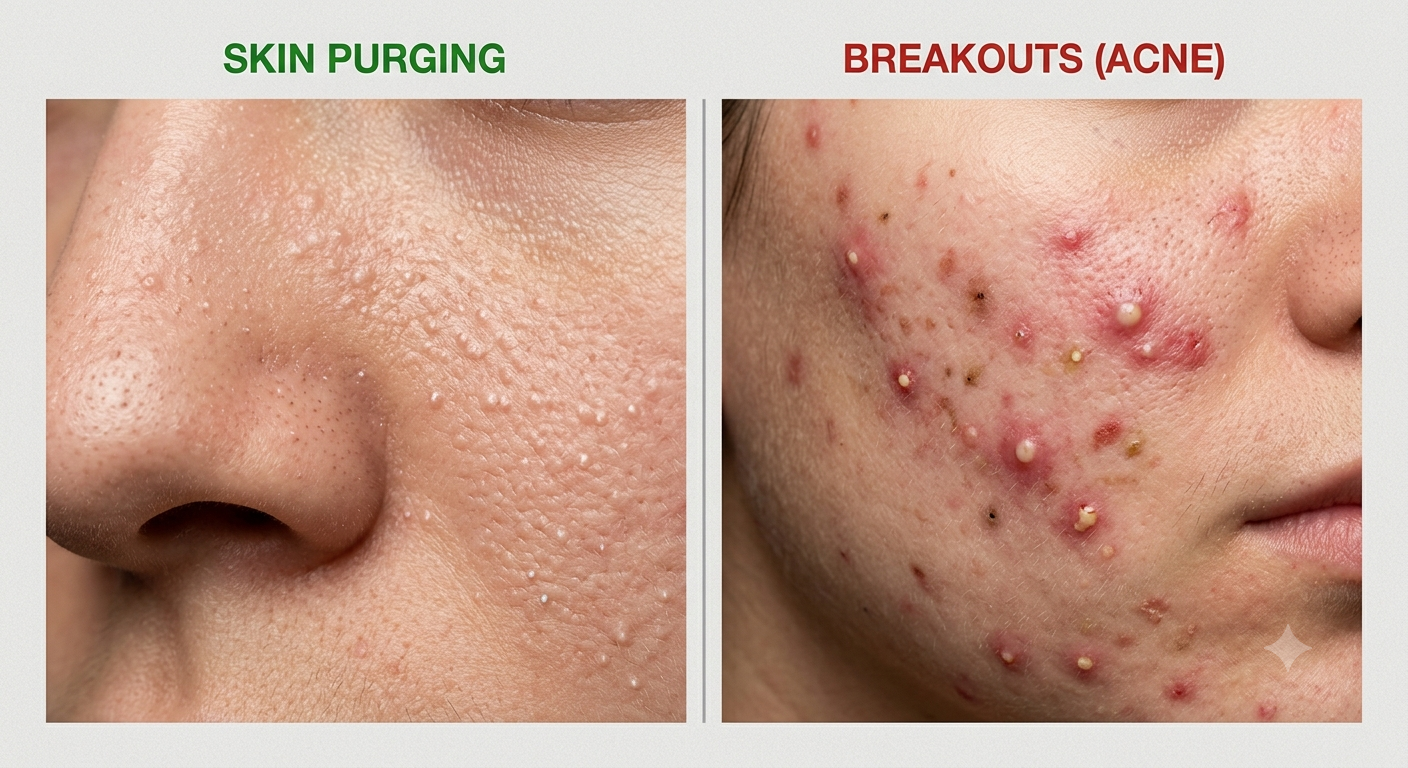
Remember, unsealing these closed bumps is a dynamic process. When you start using active ingredients to clear out deep-set congestion, your skin undergoes a temporary transition phase where hidden impurities are guided to the surface.
Explore Our Advanced Core Playbooks for This Section:
- To discover the exact biological path that transforms a quiet bump into a painful breakout, explore Why Your Closed Comedones Suddenly Turn into Red, Inflamed Pimples.
- To learn how to tell the difference between your skin successfully clearing out old debris versus reacting poorly to a new product, explore Skin Purging vs. Breakouts: Is Your Skincare Working?
- To review the absolute master visual blueprint for identifying these stubborn, hidden bumps across your entire face, revisit our core master guide: What Do Closed Comedones Look Like? The Visual Guide to Clogged Pores.