Why Your Closed Comedones Suddenly Turn into Red, Inflamed Pimples
It is one of the most frustrating experiences in skincare. You have been dealing with a cluster of stubborn, flesh-colored bumps on your forehead, cheeks, or chin. They weren't beautiful, but they were quiet—they didn't hurt, they weren't red, and they were easy to hide under a layer of tinted moisturizer. Then, you wake up one morning, look in the mirror, and gasp in horror.
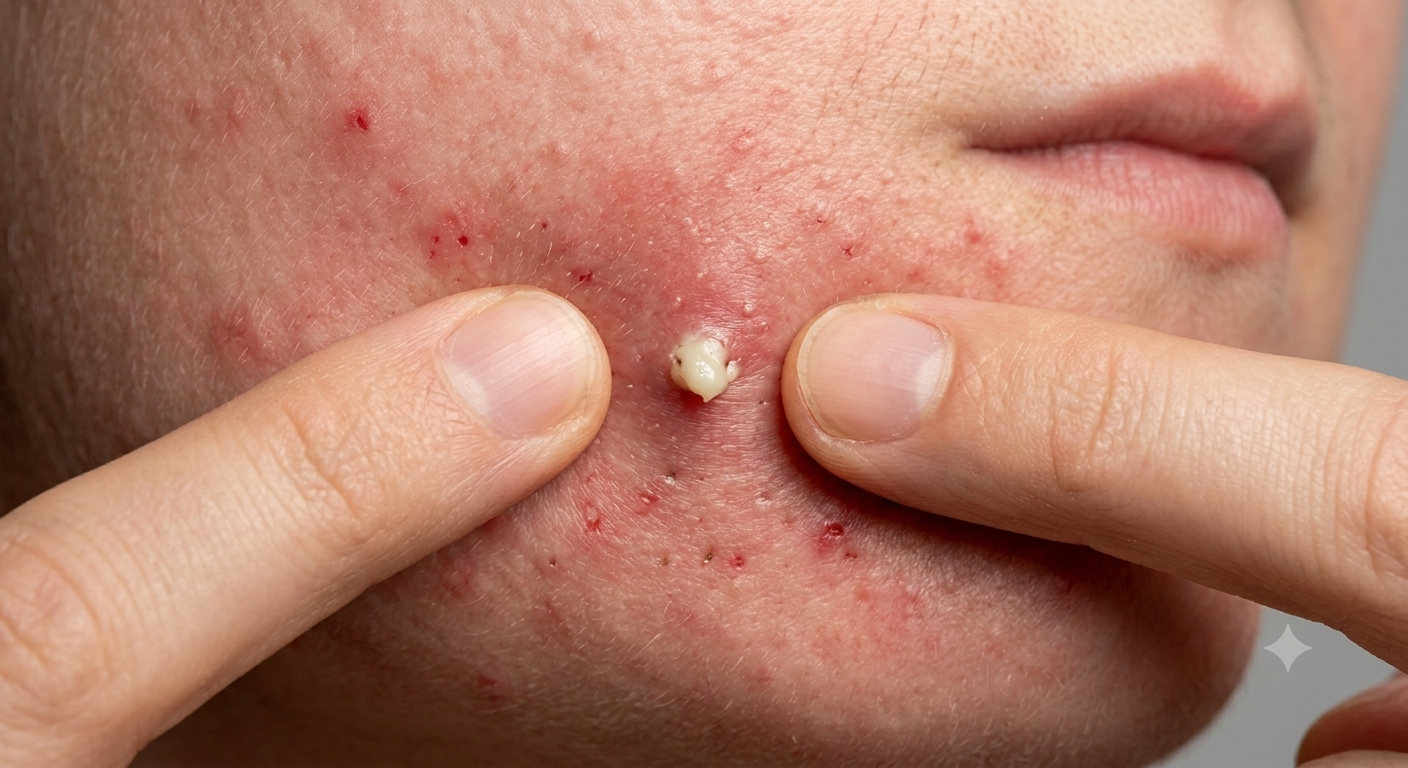
Several of those tiny, dormant bumps have mutated into massive, throbbing, angry red pimples.
If you are currently watching your closed comedones turning into pimples, you are likely dealing with a localized skin flare-up. But why does this happen, and how does a completely painless bump transform into a painful inflammatory breakout overnight? Before examining the inflammation, it helps to understand how these hidden openings fit into overall facial skin congestion. Read our foundational study What Are Clogged Pores? A Beginner’s Guide to Skin Congestion
Let’s break down the hidden biological triggers operating beneath your skin barrier and lay out an emergency SOS blueprint to halt the inflammation immediately.
The Microscopic Trigger: How a Closed Comedone Ignites
To understand why do closed comedones turn into pimples, we have to look at the bacterial landscape inside your pores.
In its original state, a closed comedone is entirely non-inflammatory. It is simply a microscopic capsule packed tight with hardened sebum (oil) and dead skin cells, completely sealed off from the air by a thin layer of surface cells. It is quiet because it is sterile.
However, that sealed, oxygen-depleted pore is the absolute perfect breeding ground for a specific resident skin bacteria: Cutibacterium acnes (C. acnes). This bacteria thrives in dark, oily environments that lack oxygen. The transformation from a smooth bump to an inflamed closed comedone usually happens due to one of three common triggers:
Sterile Closed Comedone
➡️Trigger 1: Physical picking/squeezing
➡️Trigger 2: Heavy, suffocating products (trapping oil)
➡️Trigger 3: Harsh scrubs (tearing the pore wall)
Follicle Wall Ruptures→ Bacteria Floods Live Tissue → Inflamed Red Pimple
- Physical Manipulation (The #1 Culprit): You pinched, squeezed, or picked at the bump. Even if you didn't manage to pop it, that pressure crushed the fragile, microscopic wall of the hair follicle underneath your skin.
- Pore Suffocation: You applied a heavy, occlusive makeup product or thick night cream containing highly comedogenic oils. This completely cut off any remaining micro-circulation of oxygen, causing the C. acnes bacteria to multiply at an explosive rate.
-
Barrier Aggression: You used a harsh, abrasive physical face scrub, creating microscopic tears in the skin that allowed external environmental bacteria to invade the clogged pore.
The moment the follicle wall ruptures or the bacteria overpopulates, the trapped contents spill directly into your live dermal tissue. Your immune system views this internal spill as a bio-hazard. It floods the area with white blood cells to contain the damage, resulting in the rapid onset of swelling, throbbing pain, pus, and intense redness.
The Emergency SOS Routine to Calm Inflamed Skin
When a closed comedone mutates into an angry pimple, your regular skincare routine needs to pivot immediately. You are no longer just dealing with bumpy texture; you are managing an active internal wound. Squeezing at this stage will push the infection deeper, expanding the size of the pimple and guaranteeing post-inflammatory hyperpigmentation (PIH) or permanent scars.
Instead, enforce a total hands-off ban and follow this strict, non-stripping daily clarifying routine to suppress the inflammation and clear the underlying clogs safely:
Step 1: Sweep Away Surface Impurities Safely with Dr.Leo Salicylic Acid Cleanser
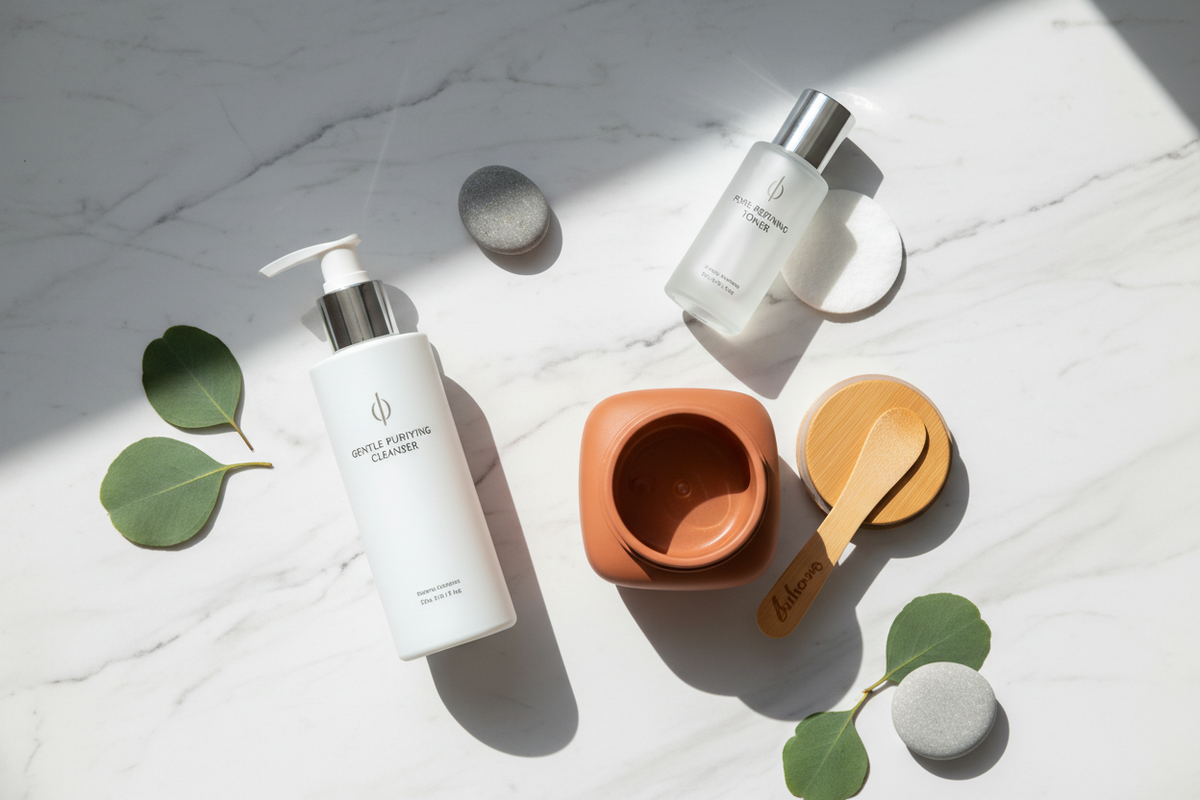
When a pore inflames, stop using harsh, stripping soapy washes or abrasive tools that disrupt the fragile skin barrier. Wash your face daily with the Dr.Leo Salicylic Acid Cleanser. Because Salicylic Acid (BHA) is lipid-soluble, it easily cuts through surface oil to slide into the pore lining. This targeted formula gently flushes away excess sebum and daily build-up, reducing the oil supply that feeds the bacteria without drying out the volatile skin surface.
Step 2: Cool the Flare-up with Dr.Leo Volcanic Clay Cleanser Stick
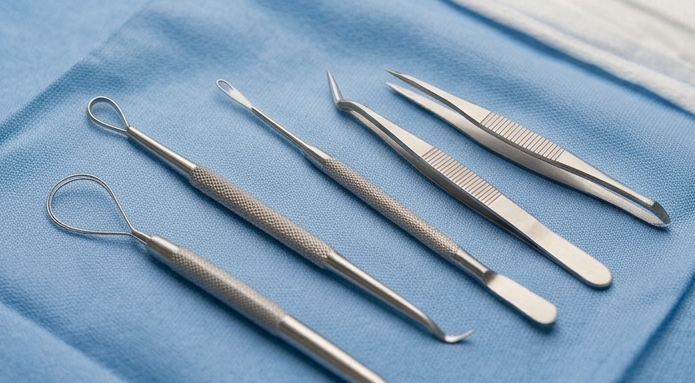
Skip aggressive physical extractions or metal tools entirely. To learn why these methods backfire, see our deep-dive: Comedone Extractor Tools vs. Chemical Exfoliation: Best for Closed Comedones.
Instead, manage the area by gliding the Dr.Leo Volcanic Clay Cleanser Stick 2-3 times a week over congested zones. This smooth clay stick provides a natural magnetic pull, absorbing excess runaway grease and lifting away top-layer debris. It defuses the oil-slick environment, preventing neighboring quiet bumps from turning into active flare-ups.
Step 3: Calm the Nervous System of Your Skin with Dr.Leo CICA Panthenol Hydro-Gel Soothing Moisturizer
The biggest mistake people make with inflamed breakouts is the Over-Drying Trap—coating the entire area in harsh drying lotions. Dehydrating an already inflamed pore creates a thick, crusty layer of dry skin cells that seals the infection underneath even tighter, prolonging the blemish and increasing the risk of pitted, atrophic scars.
Inflamed skin heals fastest in a well-hydrated, moist environment. Apply the Dr.Leo CICA Panthenol Hydro-Gel Soothing Moisturizer. Its lightweight microcapsule texture transforms into water upon application, absorbing instantly without blocking pores. Packed with high-purity centella asiatica, panthenol, and hyaluronic acid, it deeply hydrates, constricts dilated blood vessels, and quickly soothes angry redness, giving your skin the exact support it needs to dissolve the internal spill smoothly from within.
Step Away from the Mirror
An inflamed breakout can feel overwhelming, but remember that your skin is simply performing a natural defense mechanism. By keeping your hands off the blemish, lowering the local inflammation with targeted, lipid-soluble clearing, and maintaining a lightweight hydration layer, you allow clogs to clear out naturally.
Understanding why a pore inflames is the first step toward reclaiming a calm complexion. However, if you have recently introduced active exfoliating ingredients to clear out your skin texture, you might wonder if this sudden surge of pimples is a dangerous irritation or a natural sign of deep-set impurities clearing out.
Explore Our Advanced Core Playbooks for This Section:
To evaluate if your current routine is genuinely purging your skin or just causing a standard breakout, read Skin Purging vs. Breakouts: Is Your Skincare Working?.
To review the absolute master visual blueprint for identifying these stubborn, hidden bumps across your entire face, revisit our core master guide: What Do Closed Comedones Look Like? The Visual Guide to Clogged Pores.